
Why Koreans Suddenly Become 2 Years Older?
In This Article
In Korea, You’re Already 1 Year Old at Birth?
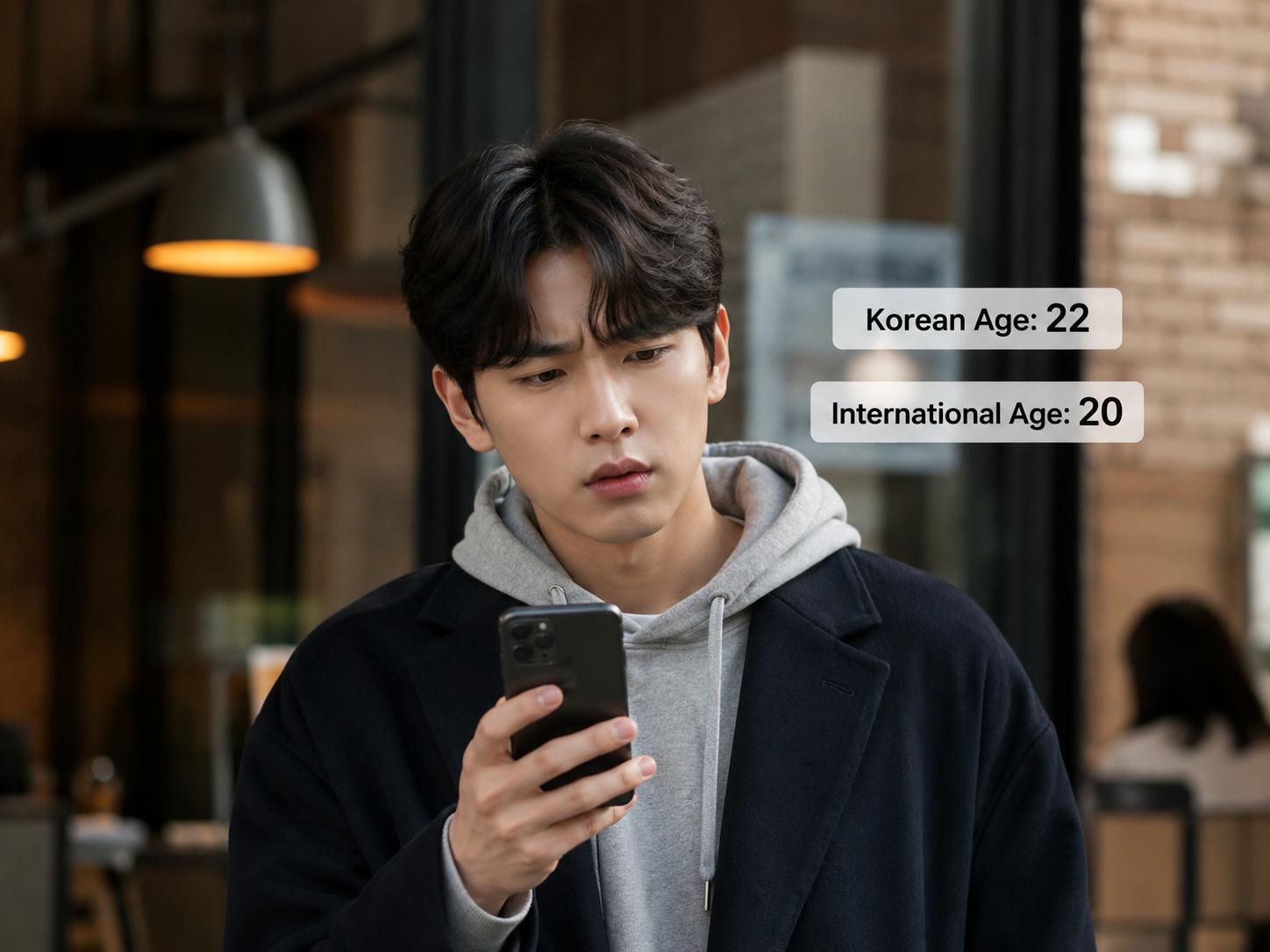
“Why do Koreans suddenly become one or two years older?”
This is one of the most common questions foreigners have when they first encounter Korean culture.
Depending on the system used, the same person can be considered 20—or even 22—years old, creating a confusing situation.
The reason behind this lies in Korea’s unique way of counting age, often referred to as the “Korean age system.”
Born at One, and Everyone Ages Together
The Korean age system has two defining characteristics.
First, a person is considered one year old at birth.
Second, instead of aging on their birthday, everyone gets one year older on January 1.
These features are often interpreted as reflecting a cultural view that recognizes life beginning in the womb, along with influences from Confucian values.
Under this system, a baby born on December 31 would turn “two years old” just one day later, on January 1.
This method originates from a traditional way of counting age based on calendar years rather than the exact passage of time.
The Unexpected (and Sometimes Awkward) Situations It Creates
This unique system has led to a number of confusing situations in Korean society.
1. People with very similar birth dates being addressed differently
2. Confusion over the legal drinking age
3. Differences in calculating school entry or military service timing
In particular, Korea once had a unique practice known as "ppareun", referring to people born early in the year who entered school a year ahead of their age group.
Although it is now largely disappearing, many people in their 20s today have experienced it.
Those born in January or February were sometimes allowed to enter school a year earlier than their actual age group, which could lead to awkward situations.
For example, someone might be born earlier than another person but still end up being their junior in school.
In Korea, this kind of situation is often jokingly described as
“jokbo getting twisted.”
"Jokbo" originally refers to a family genealogy record, but in everyday language, it has come to describe confusion in age-based social hierarchy.
To figure this out, people might even ask,
“Are you 'ppareun'?”
Interestingly, these distinctions tend to fade in adulthood.
Even if someone entered school early, they often become friends with people born in the same year later in life, while still maintaining relationships with former classmates.
In such cases, Koreans might laugh and say,
“Wow, jokbo is totally twisted.”
using the same expression to describe how confusing these relationships can become.
Efforts for Change—But a Culture That Remains
To reduce this confusion, the Korean government officially adopted the international age system in 2023.
However, a change in policy does not mean a change in culture.
In everyday conversations, the Korean age system is still widely used.
Because it has been the standard for so long, people naturally refer to Korean age when establishing relationships with someone they meet for the first time.
As a result, Korean age still functions as an invisible “tool” for organizing social relationships.
Interestingly, when the new system was introduced, it sparked some lighthearted reactions.
Many people—especially those in their late 20s—welcomed the change, joking that they had suddenly become one or two years younger.
Some even said things like, “I’m back in my twenties,” or laughed about feeling further away from turning 30.
Of course, people rarely introduce themselves using their international age in daily life, but the psychological impact of “becoming younger” was greater than expected.
“Age Is Just a Number”… But Not Quite in Korea
In Korea, age is not just a number.
It is an important factor that shapes relationships, etiquette, and even social roles.
Perhaps that is why, even today, one question is commonly asked when people first meet:
“How old are you?”
And within that simple question lies far more meaning than it seems.