


Binyeo(비녀): The Korean Hairpin That Revealed Your Status
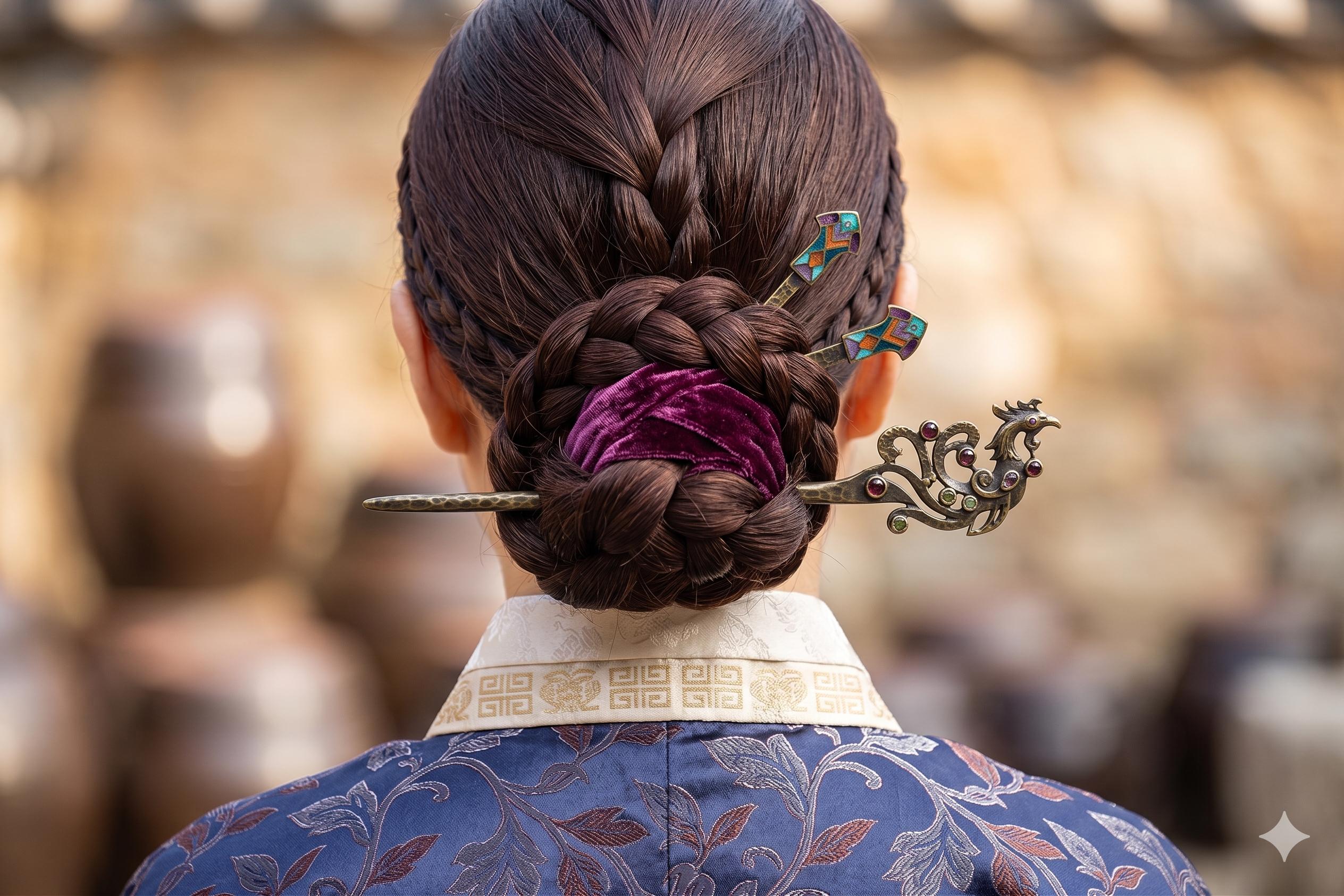
Binyeo is a traditional Korean ornamental hairpin used to hold a hair bun in place. But it was never just a functional object.
In This Article
What Is Binyeo? The Hairpin That Did More Than Hold Hair
Binyeo is a traditional Korean ornamental hairpin used to hold a hair bun in place. But it was never just a functional object. In traditional Korean society, binyeo symbolized a woman's marital status and fidelity. After the Joseon Dynasty, it became an item used exclusively by women, and during marriage ceremonies, the groom would present a binyeo to his bride as a symbol of love.
When Did Binyeo First Appear — and Who Was Allowed to Wear It?
Historical records suggest that binyeo has existed since the Three Kingdoms period, dating back as far as 57 B.C. During the Silla Dynasty, decorative use was restricted as part of anti-extravagance policies. Later, during the Joseon Dynasty, the large decorative wigs known as gache were banned, and hair buns became standard among women. As a result, the use and variety of binyeo expanded significantly.
During the reign of King Yeongjo, binyeo culture developed even further. Young girls would begin wearing binyeo as part of coming-of-age customs that marked their transition into adulthood.
What the Material Said About the Wearer
The material of a binyeo was never just a matter of style. It reflected social status. Gold and silver binyeo were associated with the nobility, while widows traditionally wore wooden ones. Horn and wood were commonly used by ordinary people, while jade and gold versions were reserved for the upper class.
Decorative motifs carried equally important meanings. Phoenix-shaped binyeo were worn exclusively by queens and princesses during the Joseon Dynasty. Royal concubines instead wore designs featuring lovebirds.
Why K-Drama Viewers Keep Noticing It
Binyeo appears throughout the Silla, Goryeo, and Joseon periods of Korean history, and in historical dramas it often functions as a visual shortcut for identifying a character's rank and social position. Many international viewers notice the hairpins without fully understanding what they signify.
The material, decorative motif, and even the size of the binyeo all communicated specific information about the wearer within the social hierarchy of the time. Modern craftspeople continue to reinterpret traditional motifs such as phoenixes, cranes, and floral patterns, while original royal examples are preserved in institutions including the National Palace Museum of Korea.
Binyeo Today
Binyeo is still worn today at traditional Korean weddings and hanbok photography sessions. Within Korea's tourism and cultural goods market, it stands alongside najeonchilgi lacquerware and hanbok as one of the defining objects of Korean traditional craftsmanship.
Recently, Korean traditional accessories including binyeo have also gained renewed attention overseas through K-dramas and K-pop. Events teaching foreigners how to make binyeo have been held internationally, and some overseas viewers became interested in traditional Korean hairpins after seeing BLACKPINK members wear similar styles inspired by Korean traditional aesthetics.
For anyone who has watched a Joseon-era Korean drama and wondered what that hairpin meant — the answer is that it meant quite a lot.