


Insaengneoket(인생네컷): The Korean Way to Make a Memory in Two Minutes
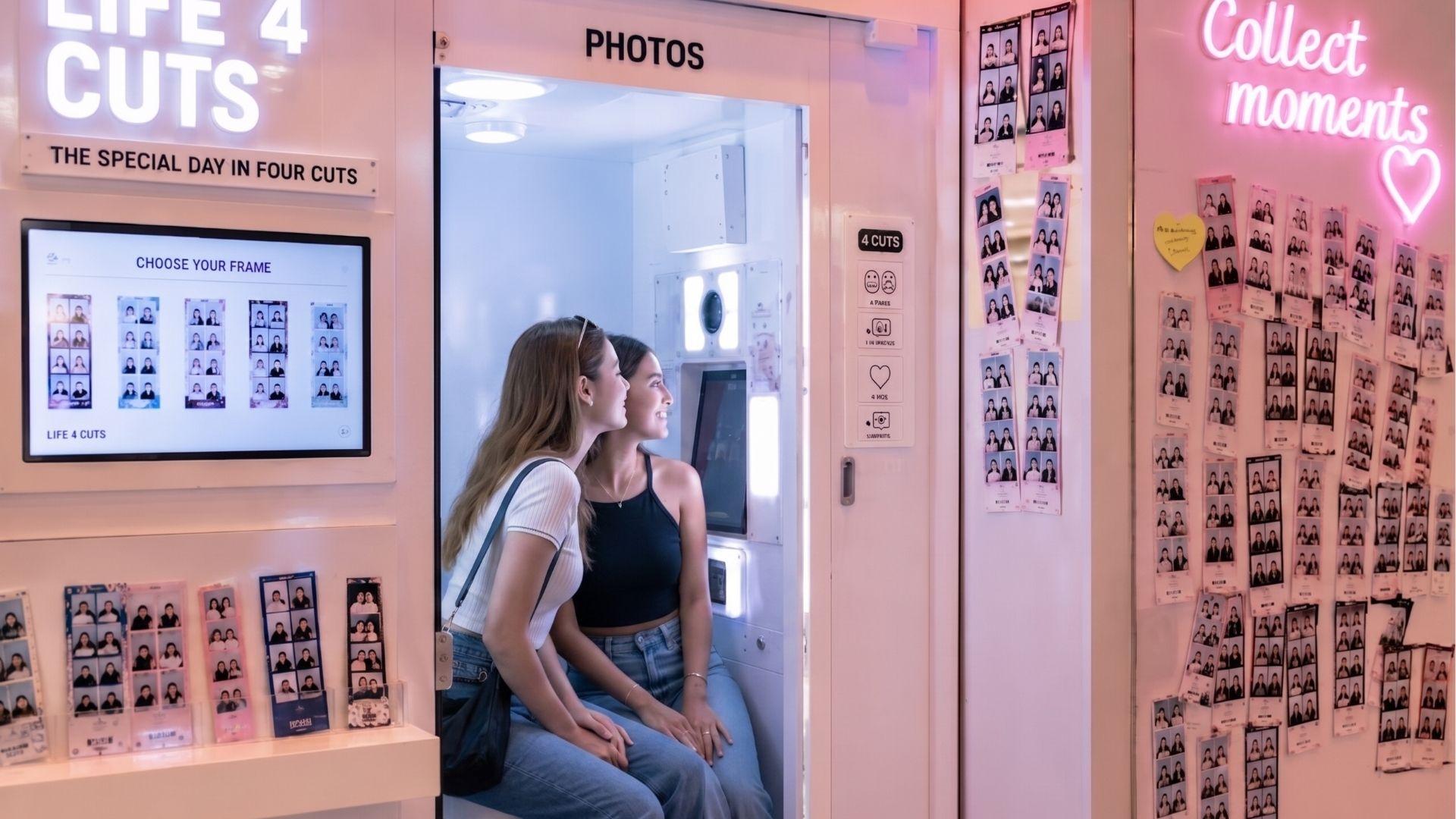
Insaengneoket (인생네컷) literally means "four cuts of life." Insert money, and a strip of four photos comes out in under two minutes — and it has become
AI-generated image
In This Article
Photo booths exist in many countries. In Korea, they became something else.
Insaengneoket (인생네컷) literally means "four cuts of life." Insert money, and a strip of four photos comes out in under two minutes — and it has become one of the most common sights on Korean streets. You will find them in Hongdae, Myeongdong, and Seongsu-dong, and on weekend evenings the lines outside tend to form on their own.
What insaengneoket is
Photo booths exist in other countries too. In Korea, they became a culture. Not a novelty machine tucked into a corner of a shopping mall — these operate as standalone shops, with frames that change every season and lines that form without any advertising.
The photos are designed to be carried, shared, and kept. Within an hour of shooting, the strip is usually on someone's refrigerator or already posted online.
The main brands
Not all booths are the same. Several major brands dominate the market, each with a distinct visual identity and lighting style. Knowing the difference before you walk in saves you from inserting money into a booth that does not match the look you were going for.
Insaengneoket (인생네컷) is the name most people use for the format itself, but it is also a standalone brand. Sharp, bright lighting and clean output. The most recognizable name in the category and the one that gave the format its common name.
Photoism (포토이즘) leans toward warmer, softer lighting. The results feel more flattering and natural, which is why it tends to draw longer lines. One of the most popular brands among regular users.
Photogray (포토그레이) goes for a cooler, more muted tone. The color palette is desaturated and calm — closer to a film photograph than a bright digital print. Popular with users who prefer a quieter, more editorial look.
Haru Film (하루필름) leans into analog aesthetics. Grain, warmth, and slight imperfection are part of the appeal. The output looks less like a digital print and more like something pulled from an old camera roll.
The brand name is always visible on the exterior of the booth. If the look of the final print matters to you — and for most people it does — check before you pay.
Where to find one
Hongdae has the highest density. Multiple booths from different brands within a single block, and the newest machines tend to arrive here first. If it is your first time, Hongdae is the easiest place to start.
Myeongdong caters to tourist traffic. English interfaces are common, the booths are easy to find, and they are positioned close to the main shopping streets.
Seongsu-dong has a different feel. The booths here tend toward minimal or vintage aesthetics, and the results come out with a slightly different atmosphere to match the neighborhood.
Outside Seoul, any commercial district in any Korean city will have at least one. Finding one is rarely the problem.
How to use it
The process is straightforward once you have done it once.
1. Insert money — Usually 5,000 won. Cash and card payments are commonly used, and some booths also accept coupons or promotional vouchers.
2. Choose a frame — Options range from simple white borders to seasonal limited editions and collaboration designs. Frames change monthly at some booths.
3. Enter the booth and shoot — A countdown appears on screen and four shots are taken in sequence. Between shots there is a short gap — enough time to change your pose or grab one of the props inside. Oversized glasses, hats, and signs are common.
4. Light editing — Brightness, filters, stickers. Keep it minimal. The analog quality of the print is part of the appeal, and heavy filtering works against it.
5. Collect the strip — It comes out of a slot at the bottom in under two minutes. Still slightly warm.
What to do with the photos
Most booths print two copies. If you shot with someone else, you each take one. The frames are designed so that each half works as a complete composition on its own.
After that, it is up to you. Some people cut out individual frames and slip them into a wallet — small enough to fit once trimmed. Others post immediately to Instagram Stories or KakaoTalk. Some collect them in small dedicated albums, which are sold at stationery shops specifically for this purpose.
Over time, the strips accumulate into an unplanned record of who you spent time with and where. For visitors, it is also one of the better souvenirs available — small, inexpensive, and specific enough to represent a real moment rather than a generic version of the trip.
Tips for first-timers
Language — Most booths in tourist areas offer English. If not, the interface follows a consistent structure: first screen is frame selection, second is the shooting booth, third is editing. Tapping the largest button at each step will generally move you forward.
Brand differences — Photoism tends toward warm and soft lighting. Haru Film goes for a film-like quality. If the look of the final print matters, check the brand name on the outside of the booth before inserting money.
Group size — Two is the standard, but three or four works fine. Going alone is completely normal. Solo strip collecting has its own following, and the booths do not require a group.