


Before BLACKPINK, There Was Girls' Generation
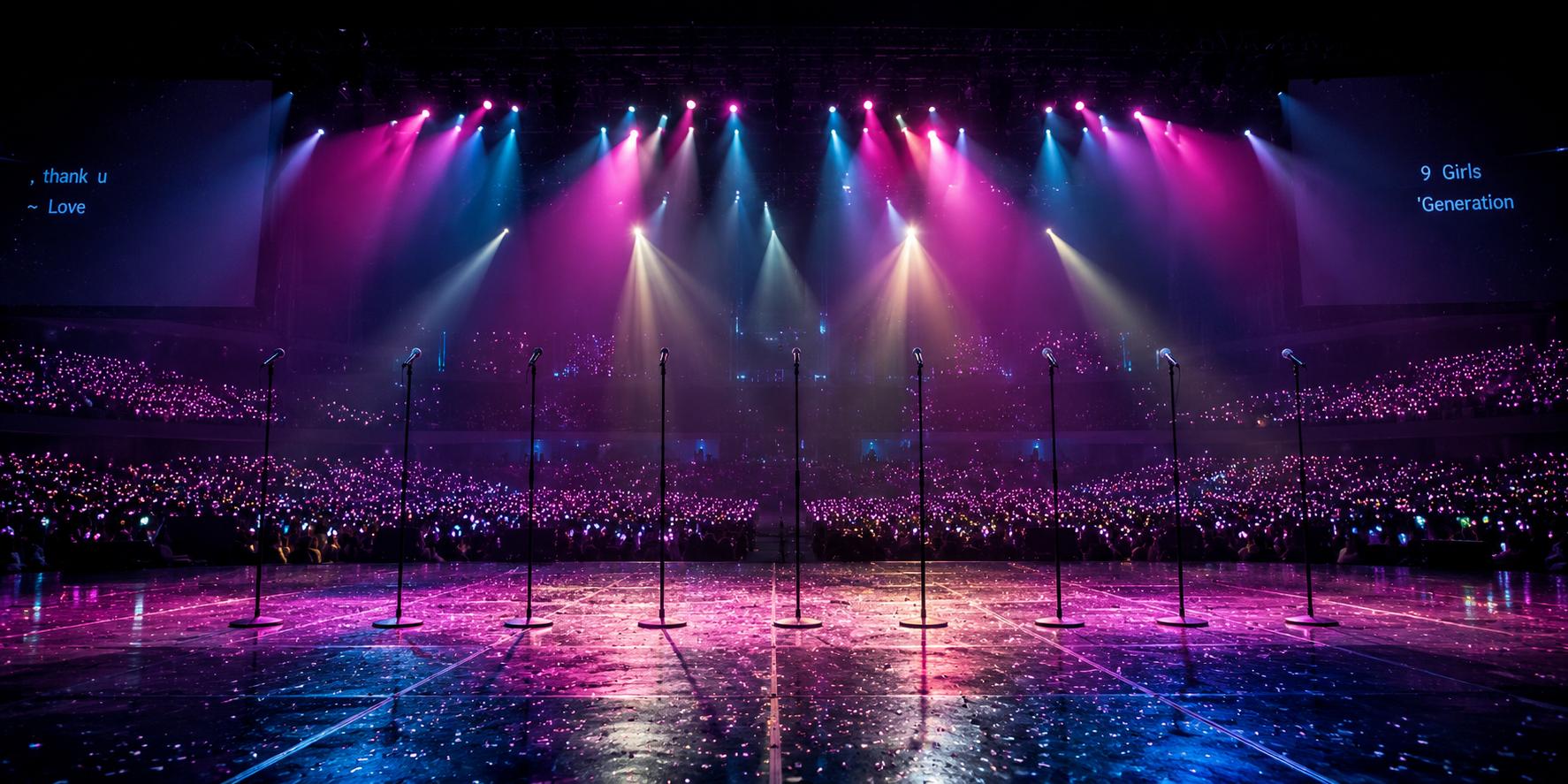
Anyone who follows K-pop knows Girls' Generation. BLACKPINK, aespa, NewJeans — they're all part of the conversation now.
In This Article
Girls' Generation — The Blueprint for K-pop Girl Groups
Anyone who follows K-pop knows Girls' Generation. BLACKPINK, aespa, NewJeans — they're all part of the conversation now. But it's hard to imagine the current landscape of K-pop girl groups taking the shape it did without Girls' Generation having come first. They are the group that set the standard.
Debut — It Didn't Start with a Bang
Girls' Generation debuted on August 5, 2007, under SM Entertainment, as a nine-member group. Their debut single was "Into The New World" — a song that fans now regard as a classic, but at the time generated little reaction. In an era when male idol groups dominated, nine women debuting together didn't immediately make waves. Some fans even responded with a "black ocean" at performances — turning off their lightsticks and sitting in silence as a form of collective indifference.
Gee — The Song That Changed Everything
The turning point came in January 2009 with Gee. The combination of an immediately catchy melody, colorful skinny jeans, and tightly synchronized choreography produced something that took over the charts almost instantly. The song held number one on KBS Music Bank for nine consecutive weeks and topped the Melon and Mnet charts for eight. Its impact extended beyond music — sales of brightly colored skinny jeans spiked sharply in the period following its release, and the look was later documented in textbooks as a defining fashion trend of the 2000s. As of 2024, the music video has 317 million views on YouTube.
Why Girls' Generation Became the Standard
The important thing is that Gee wasn't a one-off. After it, Girls' Generation released a consecutive run of hits — Genie, Oh!, Run Devil Run, Hoot, The Boys — and maintained their position at the top of the charts through each one. Genie topped every major domestic music chart within six days of its release, and when used as a Japanese debut single, it reached number two on the Oricon chart, the highest position ever achieved by a Korean girl group at the time.
What made them the template wasn't just the hit songs — it was the consistency. Each comeback arrived with a different concept and visual direction, yet the chart performance held. In the process, a set of standards emerged for what a girl group should look like: nine members moving in exact unison, clearly defined individual positions within the group, and a distinct concept that shifted with each release. Those elements became the framework that countless girl groups after them have worked within.
Girls' Generation Today
Jessica left the group in 2014, bringing the lineup to eight members. Since then, the members have pursued solo careers while continuing to come together for group activities. In 2022, to mark their 15th anniversary, they released their seventh studio album, Forever 1. Today, many active girl groups still cite Girls' Generation as an influence when asked about who shaped the genre.