


A Guide to Joseon Royal Tombs: UNESCO Heritage in Seoul
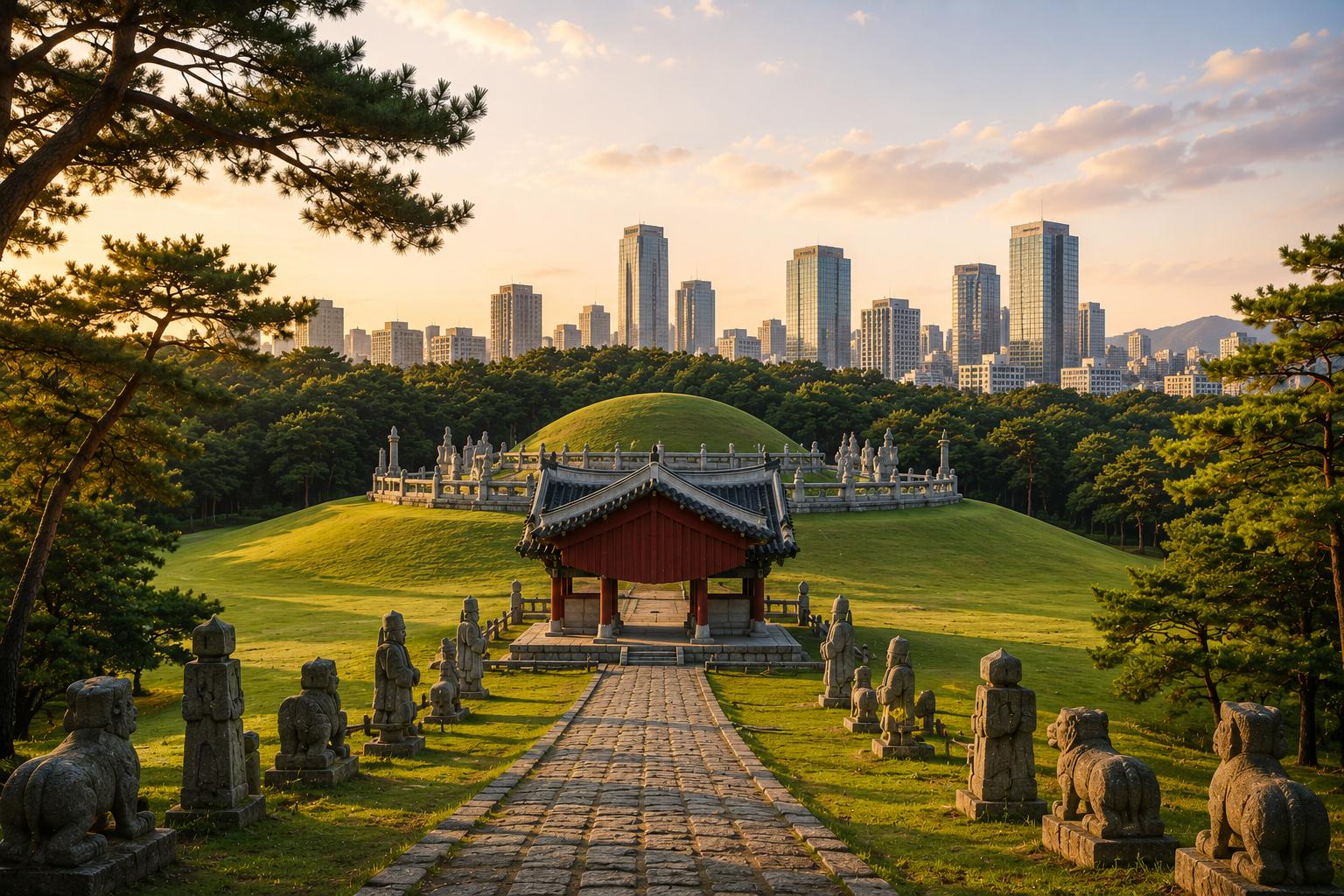
The Royal Tombs of the Joseon Dynasty are the burial sites of kings and queens who ruled Korea from 1392 to 1910 during the 518-year Joseon Dynasty.
In This Article
The Royal Tombs of the Joseon Dynasty are the burial sites of kings and queens who ruled Korea from 1392 to 1910 during the 518-year Joseon Dynasty. Inscribed as a UNESCO World Heritage Site in 2009, the Joseon Royal Tombs consist of 42 tombs in total, including two located in Kaesong, North Korea. Forty of them are distributed across Seoul and the surrounding metropolitan area in South Korea.
More than simple burial grounds, these royal tombs are considered comprehensive artistic spaces where Confucian values and the principles of Korean geomancy were integrated into architecture, landscaping, and ceremonial design. They reflect how the Joseon Dynasty viewed royal authority, nature, and ancestral rituals.
Why Are Royal Tombs Preserved in the Middle of the City?
One of the most significant values of the Joseon Royal Tombs lies in the continuity of their ancestral ritual traditions. After the royal tombs were established, the Joseon royal family continued holding memorial rites at these sites for more than 600 years, and many ceremonial traditions are still maintained today.
The tomb areas were designed to preserve the surrounding natural landscape rather than reshape it artificially. Hills, forests, and existing terrain were incorporated into the overall layout according to geomantic principles. This approach became one of the major reasons the original forms of the royal tombs could survive even during modern urban development.
As a result, places such as Seonjeongneung in Seoul’s Gangnam district still maintain large green spaces and historical landscapes despite being surrounded by skyscrapers and dense urban infrastructure.
How Are the Royal Tombs Structured?
The spatial composition of a Joseon royal tomb is generally divided into three zones.
The first is the “approach area,” which separates the secular world from the sacred space. Facilities such as the Jaesil, where ritual preparations took place, and Geumcheongyo Bridge are located in this section.
The second is the “ritual area,” where ancestral ceremonies are conducted. At the center stands a T-shaped wooden building called Jeongjagak, which served as the primary ceremonial structure.
The final zone is the “burial mound area,” where the king’s or queen’s tomb is located. Stone statues including tiger sculptures, sheep sculptures, civil officials, and military officials are arranged around the mound as symbolic guardians representing royal authority and protection.
As visitors move through these spaces step by step, they experience the hierarchy, symbolism, and funeral culture of the Joseon royal court in a carefully organized sequence.
Essential Visitor Information for Foreign Travelers
Most royal tombs located in Seoul and the surrounding metropolitan area are accessible by public transportation.
Seonjeongneung, located near Seolleung Station on Seoul Subway Line 2, is considered one of the most convenient royal tomb sites for visitors staying in central Seoul. Taereung, Gangneung, and Uireung can also be reached relatively easily using Subway Lines 6 and 7.
Visitor centers near the entrances provide English-language brochures and information about multilingual audio guides. Travelers can also check official opening hours, admission fees, and holiday schedules in advance through the Royal Tombs Center website operated by the Korea Heritage Service.
Essential Etiquette When Visiting Royal Tombs
The Joseon Royal Tombs are nationally protected cultural heritage sites under Korean law. Visitors are required to stay on designated walking paths, and climbing onto burial mounds is strictly prohibited.
Because royal tombs remain sacred ceremonial spaces connected to ancestral rites, loud behavior, eating inside protected areas, and bringing pets into certain sections may be restricted.
These regulations are part of the broader preservation efforts required to maintain the authenticity and historical integrity of UNESCO World Heritage Sites.