


Korea's Hit Drama 'Perfect Crown' Is Under Fire — Here's Why
My Dearest Lady (21세기 대군부인) is an MBC romantic drama set in a 21st-century South Korea that still operates under a constitutional monarchy.
In This Article
A Global Hit Derailed at the Finish Line
My Dearest Lady (21세기 대군부인) is an MBC romantic drama set in a 21st-century South Korea that still operates under a constitutional monarchy. It stars IU (Lee Ji-eun) as Seong Hui-ju, a wealthy heiress from a powerful chaebol family, and Byeon Woo-seok as Prince Lee An, a man of royal blood who stands to inherit nothing. The finale drew a nationwide household rating of 13.8% — a series high — and the show became the most-watched Korean series globally on Disney+ for nearly a month after its international release. Then, in its final stretch, a single scene changed the conversation entirely.
The Scene That Started It All
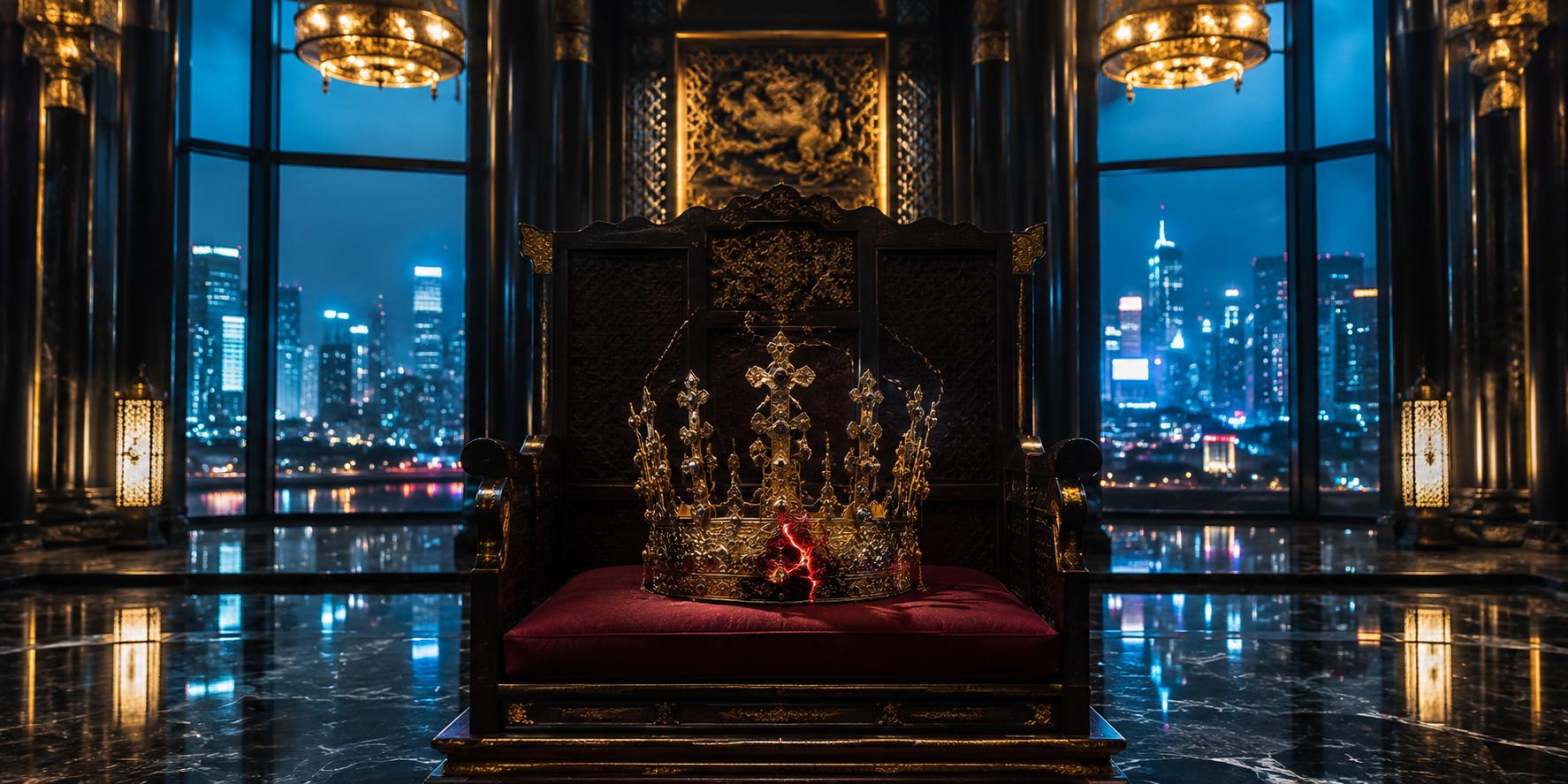
The controversy ignited with Episode 11, aired on May 15, 2026. In the episode, Prince Lee An is crowned in a formal enthronement ceremony — but two details immediately alarmed Korean viewers. First, the crown he wore was a nine-tiered guryumyeongwan, the headpiece historically associated with vassals of a larger empire, rather than the twelve-tiered crown that symbolizes a sovereign, independent ruler. Second, the assembled court cried out "cheonse" (천세, "may you live a thousand years") — a form of address used for rulers of subordinate kingdoms — instead of the Korean sovereign's traditional "manse" (만세, "ten thousand years"). On top of this, characters were shown performing a Chinese-style tea ceremony rather than Korean traditional tea ritual. Together, the scenes appeared to portray South Korea not as an independent nation, but as a subordinate state within a Chinese imperial order — exactly the narrative that China's ongoing Northeast Project (동북공정) seeks to promote.
Cast and Crew Apologize — But It Wasn't Enough
The production team posted a formal public apology the day after the episode aired, stating they had "failed to carefully examine the changes in Joseon court etiquette," and pledged to revise the audio and subtitles across rebroadcasts and streaming platforms. Both lead actors followed with individual statements on social media. Byeon Woo-seok shared a handwritten apology on Instagram: "I am sincerely sorry. I will approach every project with greater care and depth going forward." IU similarly expressed regret in a public post. But for many viewers, the apologies could not undo what had already reached millions of international viewers in real time — audiences who had no way of knowing the historical distortion they were watching.
A National Petition Surpasses 50,000 Signatures
As apologies circulated, a formal petition appeared on South Korea's National Assembly public petition portal. Within days it surpassed 50,000 signatures — the threshold required for the Assembly to formally review it. Signatories demanded three things: an immediate halt to all remaining broadcasts; the complete deletion of the series from all domestic and international OTT and VOD platforms; and the creation of permanent legislation to bar similar productions from receiving government funding in the future. The petitioners argued that post-production fixes were inadequate, and that the global reach of streaming platforms made the stakes categorically different from a domestic broadcast error of the past.
The Ghost of 'Joseon Exorcist' Returns
For many observers, the controversy felt like troubling history repeating itself. In 2021, the SBS drama Joseon Exorcist was pulled from air after just two episodes following an almost identical uproar over Chinese-style props and visual references that critics said misrepresented Korean culture. Five years later, the same debate is back. Adding a financial dimension to the reckoning: My Dearest Lady was a recipient of production support from the Korea Creative Content Agency (KOCCA), with long-form dramas eligible for up to 2 billion Korean won in funding. The possibility that those funds could now be clawed back raises a question the industry has still not answered — in an era when Korean content reaches hundreds of millions of viewers worldwide in real time, who is responsible for making sure it does not rewrite the story of where Korea stands in history?