


Kongguksu (콩국수): Salt or Sugar? Korea's Endless Food Debate
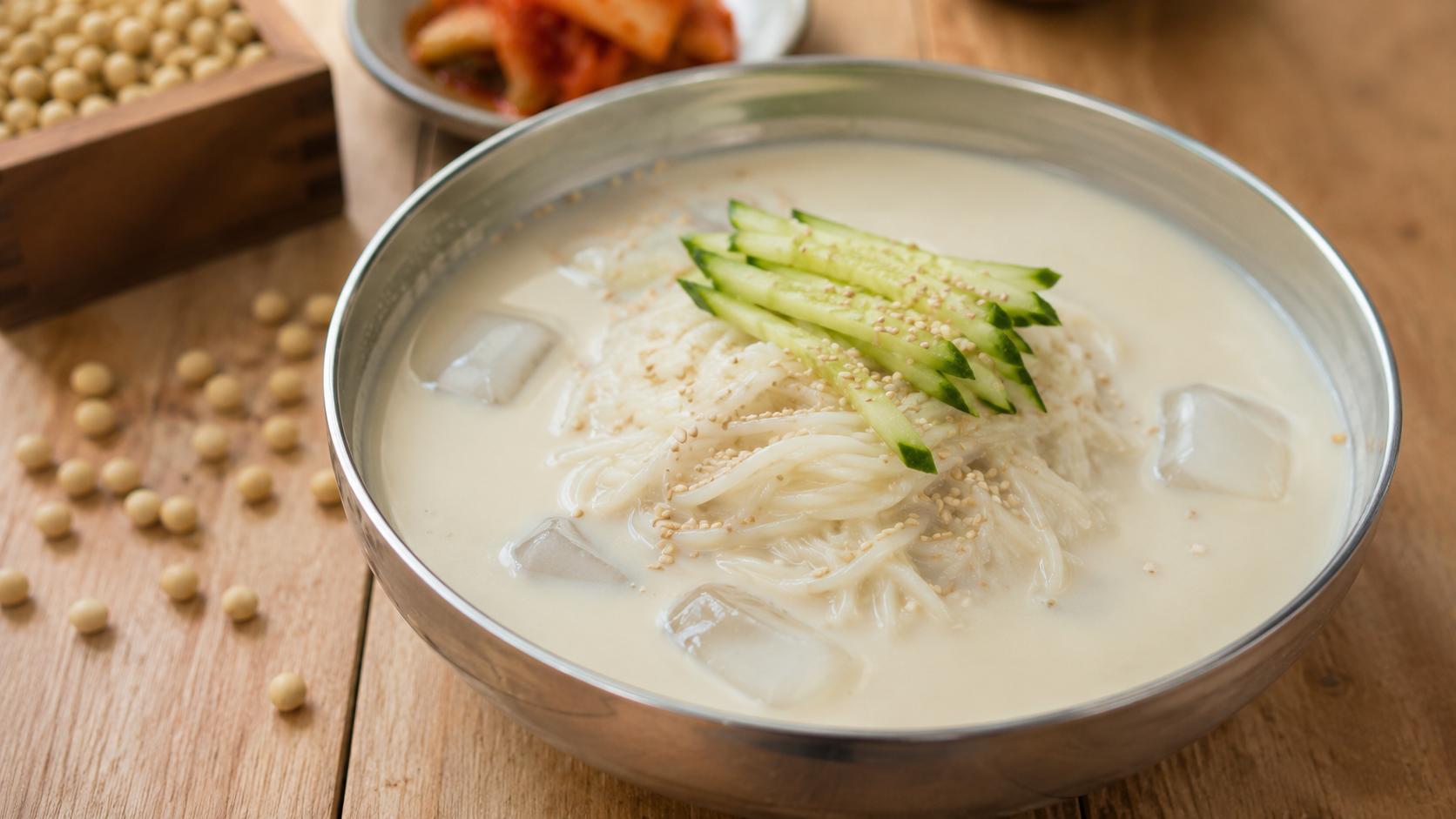
As the sweltering Korean summer arrives, locals flock to noodle shops for a unique, ice-cold savory treat: Kongguksu. But ordering this creamy soy milk noodle soup comes with a fiercely contested cultural dilemma that divides friends, families, and regions—should you season it with salt or sugar?
In This Article
The Ultimate Summer Protein Boost
Kongguksu is a seasonal masterpiece made by grinding soaked soybeans into a thick, velvety broth, served over wheat noodles with ice cubes and cucumber garnishes. For centuries, it has served as an affordable, refreshing source of protein to combat the thick humidity of Korean summers. Its clean, subtle base flavor profile makes it a perfect canvas for personalization.
Team Salt: The Savory Purists
For the majority of Koreans, especially those from the Seoul metropolitan area, adding a pinch of salt is the only correct way to eat Kongguksu. Advocates of Team Salt argue that a touch of sodium enhances the natural, nutty aroma ("goso-ham") of the soybeans. To them, Kongguksu is strictly a savory meal, and adding sweetness ruins the rustic integrity of the dish.
Team Sugar: The Sweet Revolution
On the other side of the battlefield stands Team Sugar. Highly popular among people from the southern Jeolla province, this method transforms the cold broth into something reminiscent of a rich, dessert-like soy shake. Enthusiasts claim that sugar cuts through the dense bean flavor, creating an addictive, refreshingly sweet contrast that keeps you hooked from the first slurp to the last drop.
A Culinary Map of Regional Tastes
This endless debate is more than just about individual preference—it reflects the rich regional diversity of Korean food culture. While modern fusion restaurants now offer both options on the table, asking a Korean where they stand on the "Salt vs. Sugar" spectrum is one of the quickest ways to spark a passionate conversation and learn about their roots.