


Why K-Pop Fans Buy Albums They Never Actually Listen To
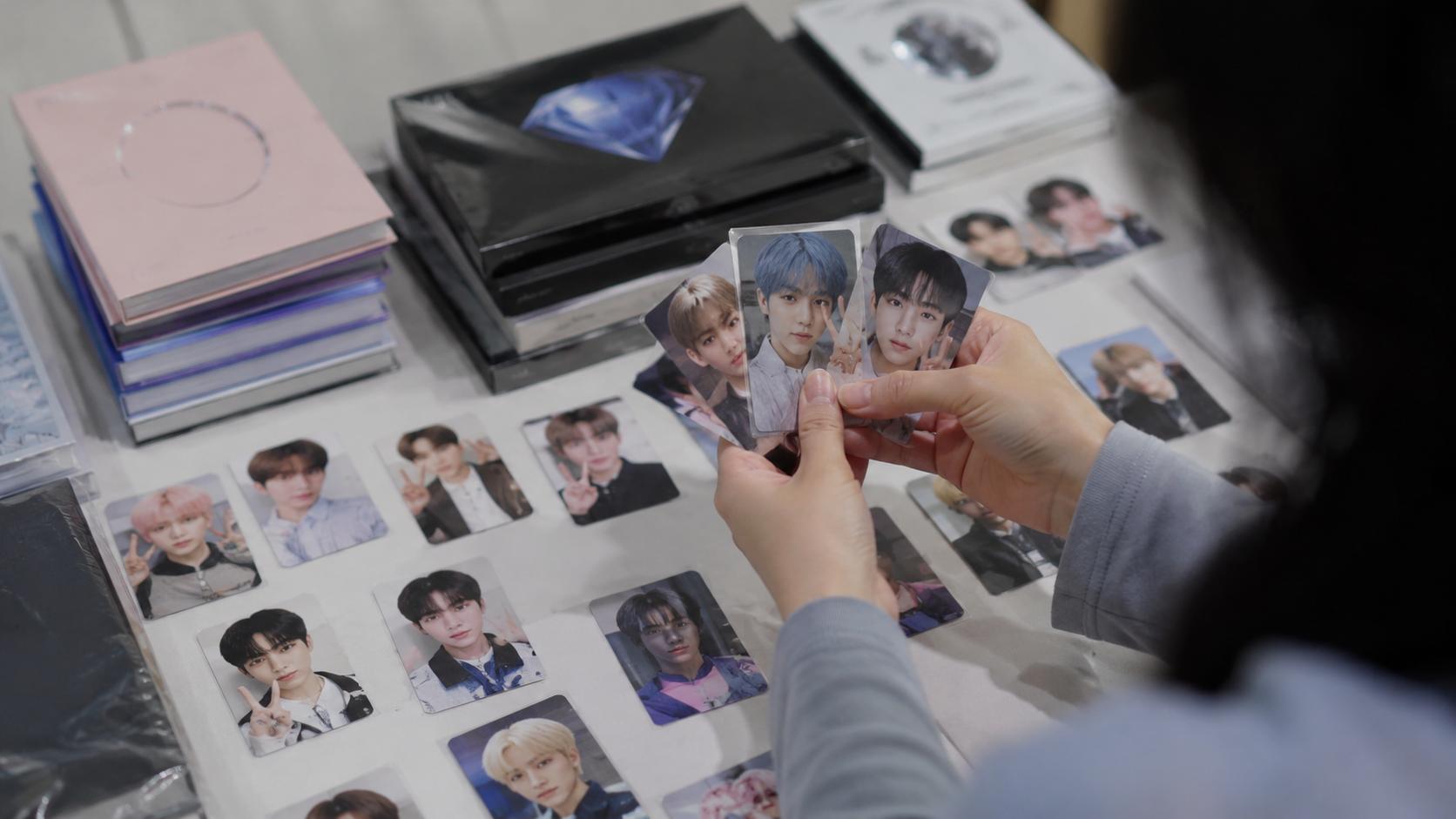
In an era dominated by instantaneous digital streaming, the physical music album has undergone a radical, slightly absurd evolutionary mutation. Welcome to the era of the K-pop "Photo Card" (포토카드)—where a two-inch piece of printed cardboard has effectively swallowed the economics of the global music industry. For international onlookers who measure music sales by the desire to own a physical CD, discovering that hundreds of thousands of identical plastic-wrapped albums are routinely dumped into recycling bins immediately after purchase can feel like a dystopian fever dream. Yet, this precise ritual represents a massive shift in fandom psychology. It is a hyper-commodified ecosystem where the music itself has become a mere packaging byproduct, and a single, randomly inserted portrait of an idol serves as the ultimate global currency.
In This Article
The Great Inversion of the CD
Walk into a major record store in Seoul or scroll through K-pop community spaces on any given Friday afternoon, and you will witness a bizarre collective behavior known colloquially as "Album-Kkang" (앨범깡)—the aggressive, assembly-line unboxing of physical music albums. The fans are not looking for the lyrics booklet, nor do they possess a physical CD player to play the disc inside. Instead, their fingers tear through plastic layers with laser-focused intensity, seeking one specific item: a glossy, pocket-sized selfie of their favorite group member. In modern K-pop, the traditional hierarchy of physical media has been completely turned on its head. The album is no longer the product; it is merely the vessel for a premium, randomized trading card.
This practice goes far beyond normal music merchandise. The photo card has mutated into a standalone luxury asset, possessing its own independent economic laws that completely bypass the audio content of the album itself.
The Dopamine Economics of Randomness
To understand why a global consumer base willingly purchases hundreds of identical physical boxes for a single piece of cardboard, one must look at how entertainment labels gamify desire. A standard K-pop album release typically features dozens of distinct photo card variations, yet only one or two are randomly tucked into each box.
By engineering an artificial scarcity system fueled by pure chance, agencies successfully tap into the same psychological mechanics as casino slot machines. For Gen Z fans, the act of buying albums has transformed into a high-stakes lottery. The thrill of unboxing your "ultimate bias" (최애) delivers an instant dopamine hit that digital streaming simply cannot replicate, turning a routine retail purchase into an addictive, cyclical social media performance.
The Shadow Secondary Market
The true scale of this phenomenon manifests in the thriving, highly volatile secondary marketplaces of platforms like X (formerly Twitter) and local Korean apps like Bunjang (번개장터). Here, a single rare photo card—perhaps from an exclusive local retail event or a specific broadcast show—can easily fetch anywhere from fifty to several hundred dollars, vastly eclipsing the original retail cost of the $15 album it came from.
This digital ecosystem operates with the cold precision of a stock exchange. Fans utilize real-time price charting, specific cultural acronyms, and global shipping proxies to trade cards across continents. It is a masterful subculture of micro-day-trading, proving that the modern value of an artist is no longer determined by their physical billboard sales, but by the dynamic trading value of their visual likeness in the digital underground.
The Environmental Toll of Cardboard Obsession
Ultimately, the "Photo Card Empire" faces a stark, increasingly public ethical crisis. Because fans must buy mass quantities of albums to secure their coveted cards or qualify for exclusive fansign events, the music industry has generated an unprecedented wave of physical waste.
Massive piles of abandoned plastic cases and stripped cardboard boxes are frequently discovered near major distribution hubs or donated anonymously to shelters that have no use for them. While agencies have begun experimenting with "eco-friendly" digital-only QR albums, the underlying consumer demand remains tied to the tactile, physical card. The next time you see a K-pop album topping global charts with millions of physical sales, remember the hidden calculus behind the numbers: a brilliant, hyper-lucrative industry built on the back of a two-inch plastic card that chose to swallow the world.