


Why BTS Jungkook Loves “Rajuk” More Than Instant Ramen
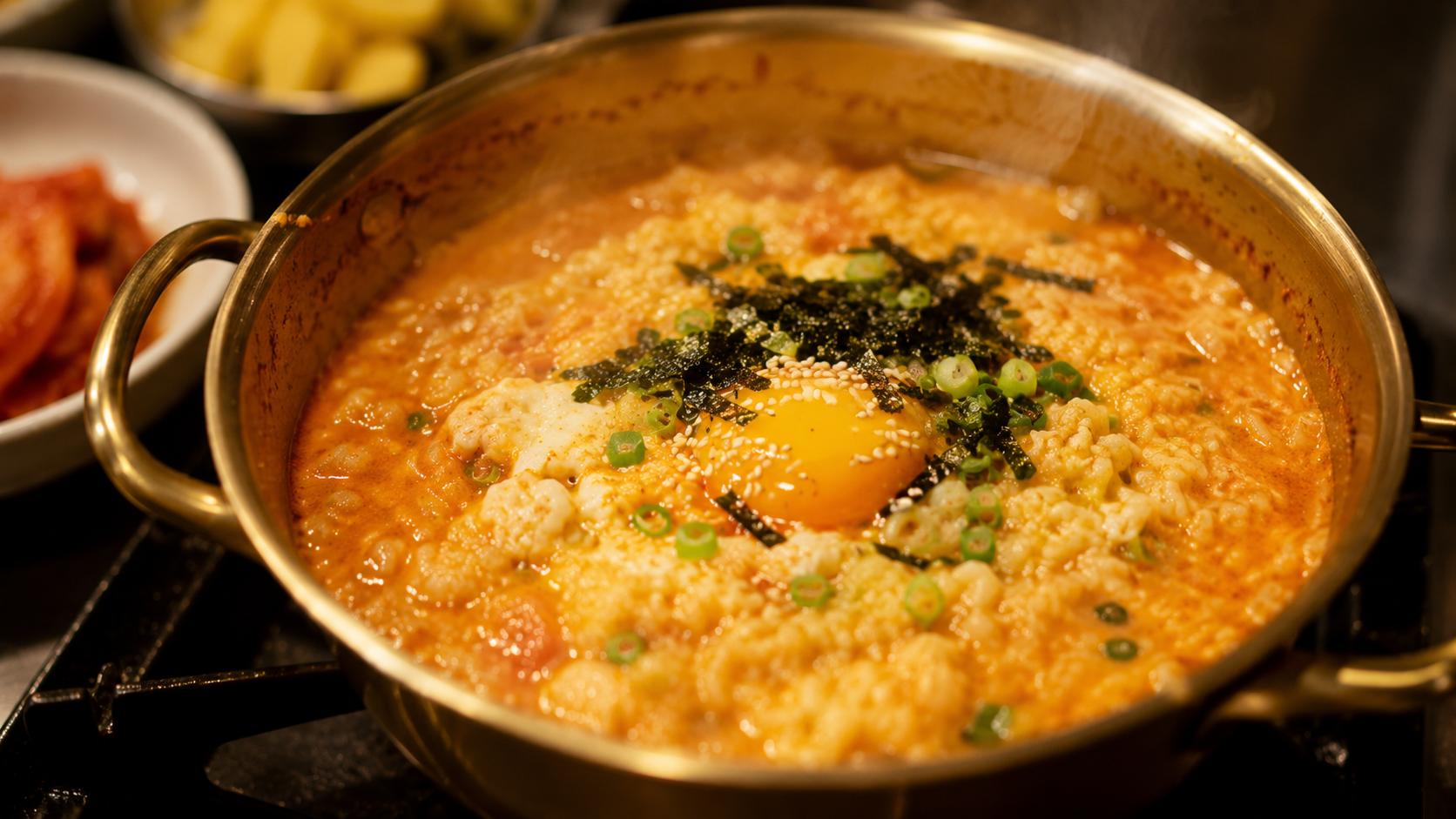
For South Koreans, a packet of instant ramen is rarely just a quick noodle fix; it is a multi-course culinary experience that often culminates in a dish known as "Rajuk" (Ramen Porridge). While foreigners might consider the meal finished once the noodles are gone, a true local sees the remaining fiery, umami-rich broth as a canvas for the ultimate comfort food finale. By adding a bowl of leftover rice, cracking a fresh egg, and simmering it down until thick and velvety, Koreans transform humble soup remnants into a soul-warming porridge. Rajuk is a masterclass in hyper-efficiency and flavor extraction—a dish born from late-night cravings and university dorm rooms that has evolved into a widely celebrated ritual of pure, carb-on-carb comfort.
In This Article
The Evolution of the Last Bite: What is Rajuk?
The word "Rajuk" is a portmanteau of "Ramen" and "Juk" (the Korean word for traditional rice porridge). Unlike simply dumping rice into hot soup—which keeps the rice grains distinct—making Rajuk requires active cooking. Once the noodles are consumed, the pot is placed back on the stove. Leftover rice is introduced into the boiling, concentrated broth, allowing the grains to break down, expand, and absorb every single drop of the spicy, salty seasoning. It shifts the entire profile of the meal from a light, watery soup to a dense, rich, and deeply satisfying porridge that coats the stomach with pure warmth.
The Architecture of Porridge: Starch, Egg, and Time
There is a beautiful culinary science to making the perfect pot of Rajuk. As the rice simmers, it releases natural starches that naturally thicken the broth. The real magic happens in the final sixty seconds: a raw egg is vigorously swirled into the mixture, creating delicate, silky ribbons that temper the intense spice of the ramen seasoning. A final drizzle of toasted sesame oil and a sprinkle of crushed seaweed or green onions complete the transformation. The result is a texturally complex dish where the aggressive heat of Korean ramen is softened into a velvety, savory porridge, delivering a massive burst of umami in every spoonful.
A Cultural Blueprint of Zero-Waste Comfort
Historically, Rajuk reflects a deeply ingrained Korean mindset of maximizing resources and respecting food. In leaner decades, stretching a single packet of ramen to feed multiple people by adding cheap, accessible carbohydrates like rice was a survival tactic. Today, even in an era of abundance, this habit remains hardwired into the country's culinary DNA. Eating Rajuk is an emotional experience; it evokes memories of post-studying late-night snacks with roommates, camping trips where cooking gear was limited, or the ultimate lazy Sunday comfort at home. It is a dish that proves comfort doesn't require premium ingredients, just an intuitive understanding of flavor pairing.
The Modern Ritual: Elevating the Humble Broth
In contemporary K-food culture, Rajuk has transcended its identity as mere leftovers. It has become a deliberate choice, with people intentionally leaving behind a portion of their noodles and smashing them into tiny bits beforehand to create a more cohesive porridge texture. Modern variations see food enthusiasts adding a handful of shredded mozzarella cheese for a gooey, modern twist, or serving it alongside deeply soured, aged Kimchi to cut through the rich density. As K-ramen continues to dominate global food trends, Rajuk stands as the ultimate inside secret—showing the world that the best part of a Korean ramen bowl is actually what happens after the noodles disappear.