


The Hidden Shopping World Beneath Korea’s Streets
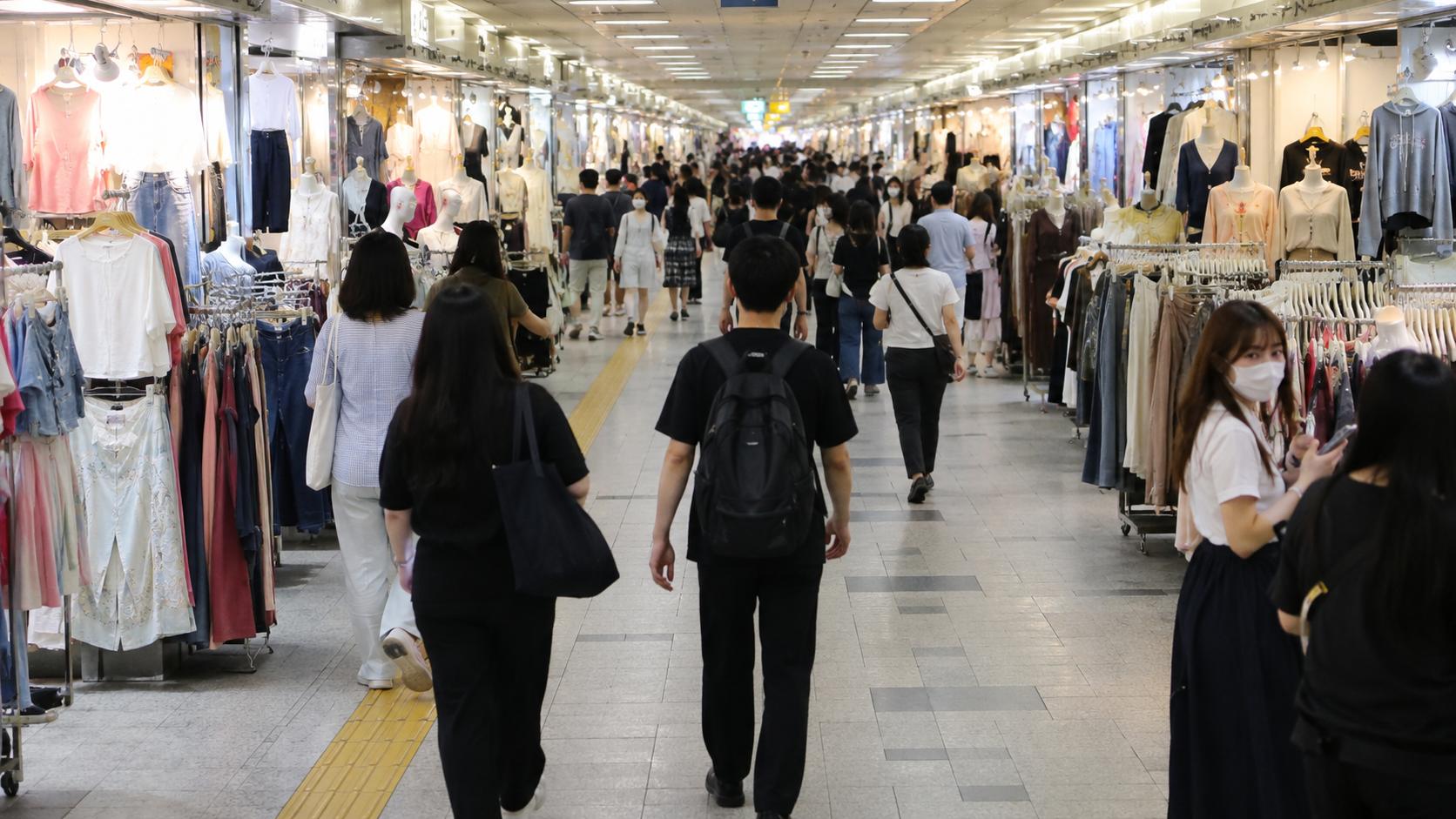
For travelers visiting Korea, shopping isn't limited to trendy street boutiques or towering department stores. Deep beneath the bustling streets lies a hidden retail paradise: underground shopping malls. Blending incredible bargains, K-fashion trends, and an escape from the weather, these subterranean labyrinths offer a unique glimpse into local life. From navigation survival tips to the unwritten rules of cash discounts, we unlock everything you need to know about mastering Korea’s underground shopping scene.
In This Article
Subterranean Paradise: What Makes Them Special
Directly connected to major subway stations, Korean underground shopping malls (known locally as 'Jiha-sangga') are bustling ecosystems of retail. They are the ultimate destination for budget-conscious fashionistas, offering the latest K-fashion trends, cosmetics, accessories, and shoes at unbeatable prices. Beyond the deals, these climate-controlled spaces serve as a perfect refuge from Korea’s freezing winters, humid summers, or unexpected rainy days, allowing you to shop comfortably year-round.
The Big Three: Malls You Cannot Miss
While dozens of these malls exist across Seoul, three stand out for international visitors. Goto Mall (Express Bus Terminal Station) is a massive 880-meter-long stretch famous for affordable women's apparel and home decor. Bupyeong Underground Market (Incheon) is so vast it holds a Guinness World Record for the number of stores. For a more youthful, K-pop-inspired vibe mixed with trendy fast fashion, Gangnam Station Underground Shopping Mall is the go-to spot for commuters and students alike.
Pro Shopping Tips: Cash, Comfort, and Comparisons
To shop like a local, remember a few insider secrets. First, cash is king. While most shops accept credit cards, paying with physical cash often unlocks a 10% discount or helps you avoid a small card surcharge. Second, bargaining is generally not accepted for items with clear price tags (like 10,000 KRW racks), but you can politely ask for a discount if buying multiple items. Lastly, wear comfortable shoes and do a quick lap before buying; many shops sell identical items, and prices can vary from aisle to aisle.
The Exit Maze: How Not to Get Lost
The biggest challenge of underground shopping is the layout. With hundreds of identical-looking stalls, it is incredibly easy to lose your sense of direction. The golden rule of survival is to look up at the exit numbers. Korean subway stations are meticulously numbered. If you find a shop you like but want to think about it, note the nearest exit number or the shop's specific grid number (usually painted on the floor or pillars) so you can actually find your way back.