


Must-Watch Korean Masterpieces Across Romance, Fantasy, and History
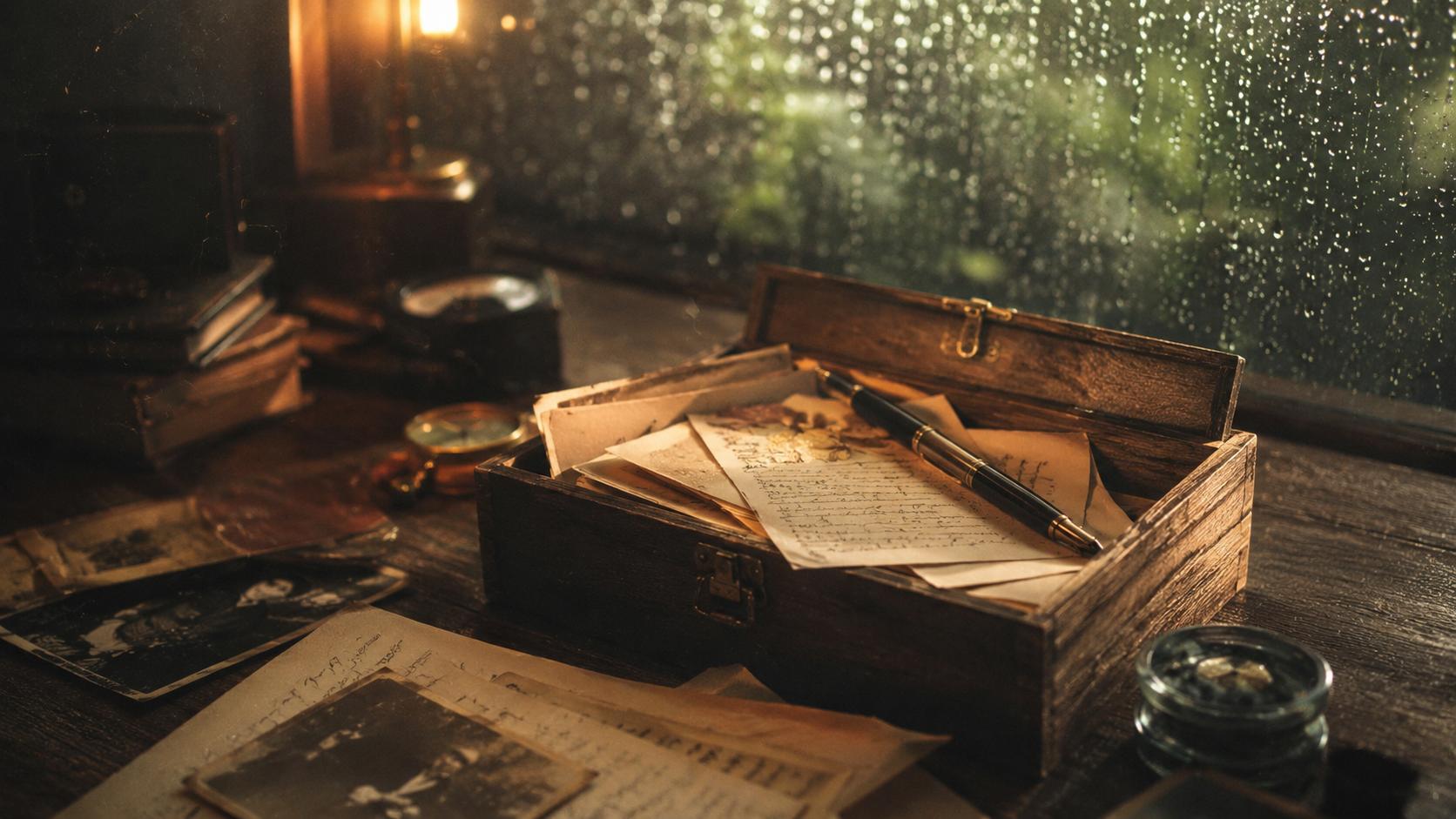
Cinematic Escapes — Part 3 of our ultimate movie guide brings you a handpicked selection of must-watch Korean masterpieces across the Romance, Fantasy, and Historical genres, complete with verified cultural backdrops.
In This Article
Korean Movie Recommendations Part 3: Romance, Fantasy, and Historical Masterpieces
Welcome back to the third installment of our curated cinema guide. Whether you are looking to immerse yourself in a sweeping love story that transcends generations, escape into a magical underworld filled with whimsical adventure, or travel back in time to experience regal court intrigue, we have built the perfect watchlist for you.
This week, we highlight three iconic Korean productions that define the peak of their respective genres, showcasing how masterfully told South Korean stories can bypass the boundaries of time and space.
From timeless modern blockbusters to deeply emotional fairy tales and visually stunning period dramas, these selections promise unforgettable narratives.
What makes this edition even more interesting is that these diverse films are often modernly re-evaluated on global streaming platforms, drawing renewed attention to their unique cinematic choices and screenplays.
The Romance Pick: The Classic (2003)
For audiences seeking a deeply moving, emotionally resonant romantic experience, look no further than the 2003 legendary melodrama The Classic. Directed by Kwak Jae-yong and starring Son Ye-jin, Cho Seung-woo, and Jo In-sung, the film weaves a passionate tale of love that echoes across parallel timelines.
The plot follows a college student who discovers a box of old letters detailing her mother's bittersweet first love, only to realize her own modern romance is inexplicably mirroring the past. It was not a static romance, but rather a visual element whose atmosphere changed dramatically as the parallel narratives unfolded.
When the emotional weight of nostalgia and destiny was added, the entire visual scene changed completely.
The iconic scene of running through the rain under a coat would gently sway the audience’s emotions, while the haunting melodies of "Me to You, You to Me" attached to it would briefly catch the soul and shimmer. In that split second, the viewer’s gaze would naturally drop—not toward the dialogue, but toward the raw passion. The romance was not merely a plot device. It was a deliberately designed element of subtle motion meant to guide global attention.
The Fantasy Pick: Along with the Gods: The Two Worlds (2017)
If you are ready to venture into a brilliantly crafted world of magic, unique afterlife lore, and whimsical action, the 2017 box-office monster Along with the Gods: The Two Worlds is an absolute must-watch. Depending on its heavy CGI material and emotional depth, it could subtly reveal the nation's taste and artistic standing.
Even when compared to standard grim dark high fantasy tropes, the impression of this film changes completely depending on its narrative framing.
* Seven trials of hell: simple yet refined
* Three grim reapers: symbols of duty and hidden dignity
* Familial devotion: expressions of deep tear-jerking presence
* Action choreography: a display of artisanal cinematic skill
The framing structure, in particular, was not merely decorative. It features a deceased firefighter who must pass seven trials in 49 days with the help of three guardians, symbolizing the traditional East Asian concepts of reincarnation and karma.
More importantly, it was not just the plot itself, but how it interacted with massive audiences. It achieved the status of being the third most-viewed film in Korean cinema history, catching the eye of global critics in an instant. In this sense, the movie functioned as a kind of “moving visual effect” for generations to come.
The Historical Pick: Masquerade (2012)
Modern television shows and films tend to favor simplicity in settings. However, during this historical masterpiece, even the smallest artistic detail carried both aesthetic and symbolic meaning.
Set during the Joseon Dynasty under the turbulent reign of King Gwanghae, the series focuses on a humble acrobatic clown who is forced to secretly take the throne to save the poisoned king. The spectacular traditional costumes, Hanbok, and the royal palace aesthetics were not just decoration—they were information about the rich cultural heritage.
Without saying a word, the clown's progressive sense of justice and his intertwined fate with the suspicious court officials all express the deep political worldbuilding of the drama, highlighting the true nature of leadership.