


Beyond the Glitz: Why K-Pop’s Obsession with the ‘Bone-Thin’ Aesthetic is Sparking Global Alarm
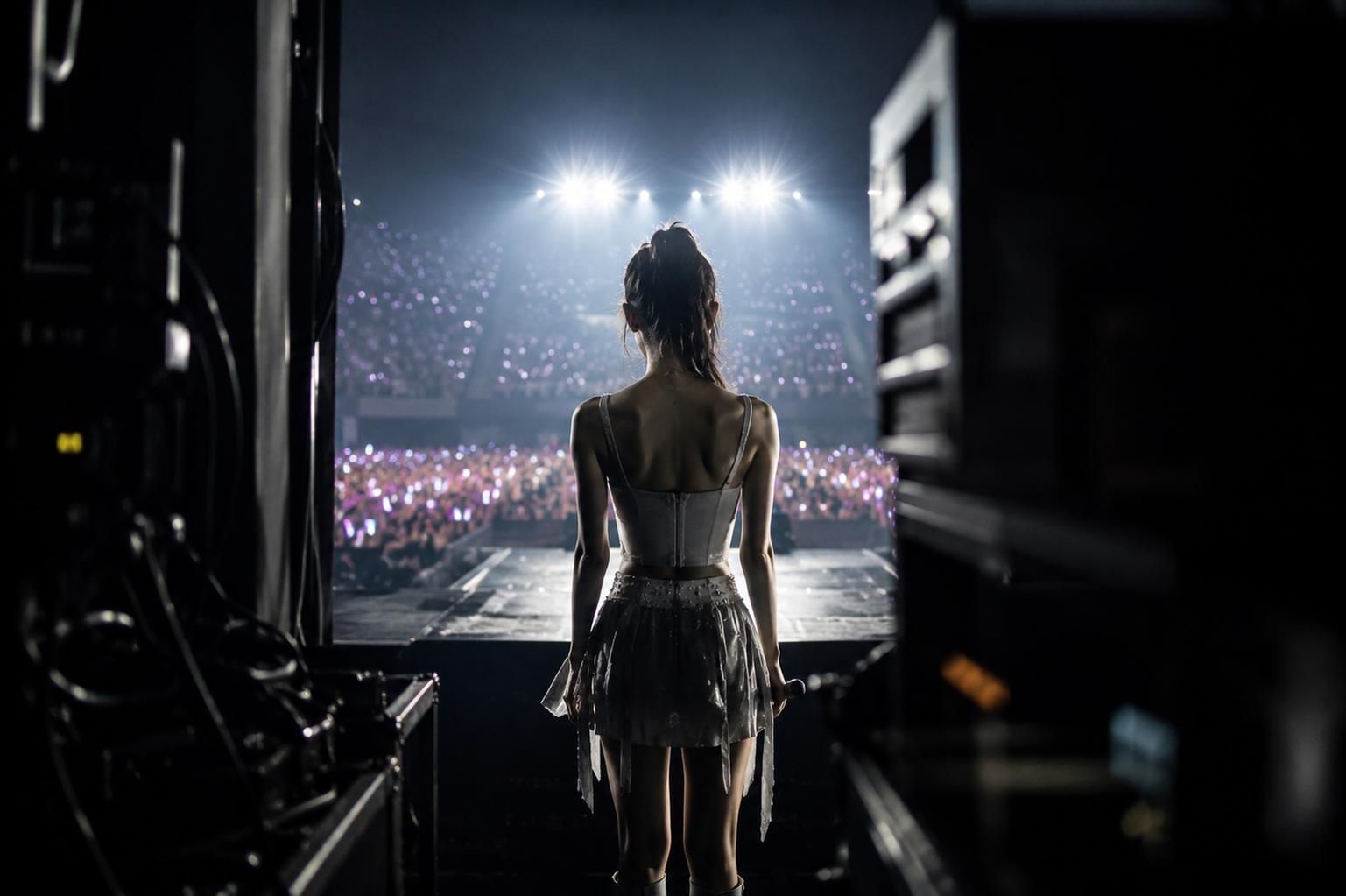
Behind the synchronized choreography and flawless visuals of K-pop lies a darker reality. The relentless cultural pressure on idols to maintain a "bone-thin" physique is sparking severe health concerns among global fans.
In This Article
Beyond the Glitz: Why K-Pop’s Obsession with the ‘Bone-Thin’ Aesthetic is Sparking Global Alarm
The global dominance of K-pop is undeniable. From breaking major music records to dictating luxury fashion trends, Korean idols are certified global tastemakers. However, behind the bright lights, an increasingly visible and troubling phenomenon is emerging.
Even during demanding world tours, public discourse surrounding idol weights has reached a critical boiling point. International fans are focusing their attention on an extreme physical standard that has quietly taken over the industry: the celebration of an emaciated silhouette.
In the K-pop ecosystem, being an idol is not just about talent, but embodying a hyper-curated visual perfection. Unfortunately, this perfection is now being measured by dangerous metrics, drawing severe criticism from mental health professionals and global audiences alike.
What makes this even more concerning is how these extreme body standards are amplified across social media, heavily impacting impressionable Gen Z and Alpha audiences who view these stars as role models.
The Rise of the ‘Bone-Thin Certification’ and Extreme Beauty Pressures
In reality, the physical expectations placed on K-pop stars have always been intense, but the trend has shifted toward a worryingly fragile aesthetic. The phrase "bone-thin certification" has transitioned from niche online spaces into mainstream cultural critiques.
This toxic standard celebrates visible ribs, prominent collarbones, and severely thin limbs as ultimate symbols of hard work and self-control. It is no longer just about being slim—it is about looking noticeably underweight on screen.
When short-form video clips capture idols looking visibly exhausted or frail during high-intensity performances, the visual impact is jarring.
Instead of being praised for their aesthetics, these images are triggering global worry. Viral clips showcasing extreme body proportions frequently trend on TikTok and X, racking up millions of views alongside thousands of comments expressing deep concern for the artists' well-being.
Rather than acting as a simple metric of beauty, these body standards have become a visual manifestation of the industry's relentless, unyielding pressure.
The Deadly Formula: Subverting Global Health and BMI Standards
Behind the scenes, the unofficial weight formulas utilized within the entertainment industry are shockingly severe. Cultural critics and insiders point out that the benchmark for female idols often mandates a body mass index (BMI) well below healthy thresholds.
An idol's weight is frequently dictated by rigid, unscientific expectations where standing out on smartphone screens requires extreme physical sacrifice.
* Severe food restriction: normalizing dangerously low-calorie daily diets
* Extreme physical fatigue: combining malnutrition with grueling choreography schedules
* Toxic peer comparison: constant pressure within groups to look the thinnest on camera
* Social media amplification: algorithms rewarding increasingly fragile silhouettes
The normalized practice of rapid weight loss before comebacks sets a hazardous precedent. International audiences emphasize that while watching high-energy performances is entertaining, the physical toll exacted on these young artists is completely unsustainable.
The sharp contrast between the vibrant, cheerful concepts presented on stage and the visible physical frailty of the performers creates a deep ethical dilemma for global consumers who refuse to support the exploitation of health for aesthetics.
A Shift in Global Sentiment: Moving Toward Health and Vitality
Cultural analysts suggest that the growing global backlash against the bone-thin trend marks a pivotal turning point in fan culture. Modern global consumers prefer to support labels that visibly prioritize their artists' physical and mental longevity over toxic, outdated beauty metrics.
Instead of applauding drastic weight loss, international fan bases are actively demanding structural changes, pushing agencies to implement healthier training environments and transparent medical care.
Ultimately, if K-pop wishes to sustain its longevity as a respected global force, the industry must dismantle its unhealthy relationship with the scale, recognizing that true star power thrives on raw talent, radiant energy, and genuine physical vitality.