


High-End Nostalgia: How Kidults Are Reshaping South Korea's Toy Industry
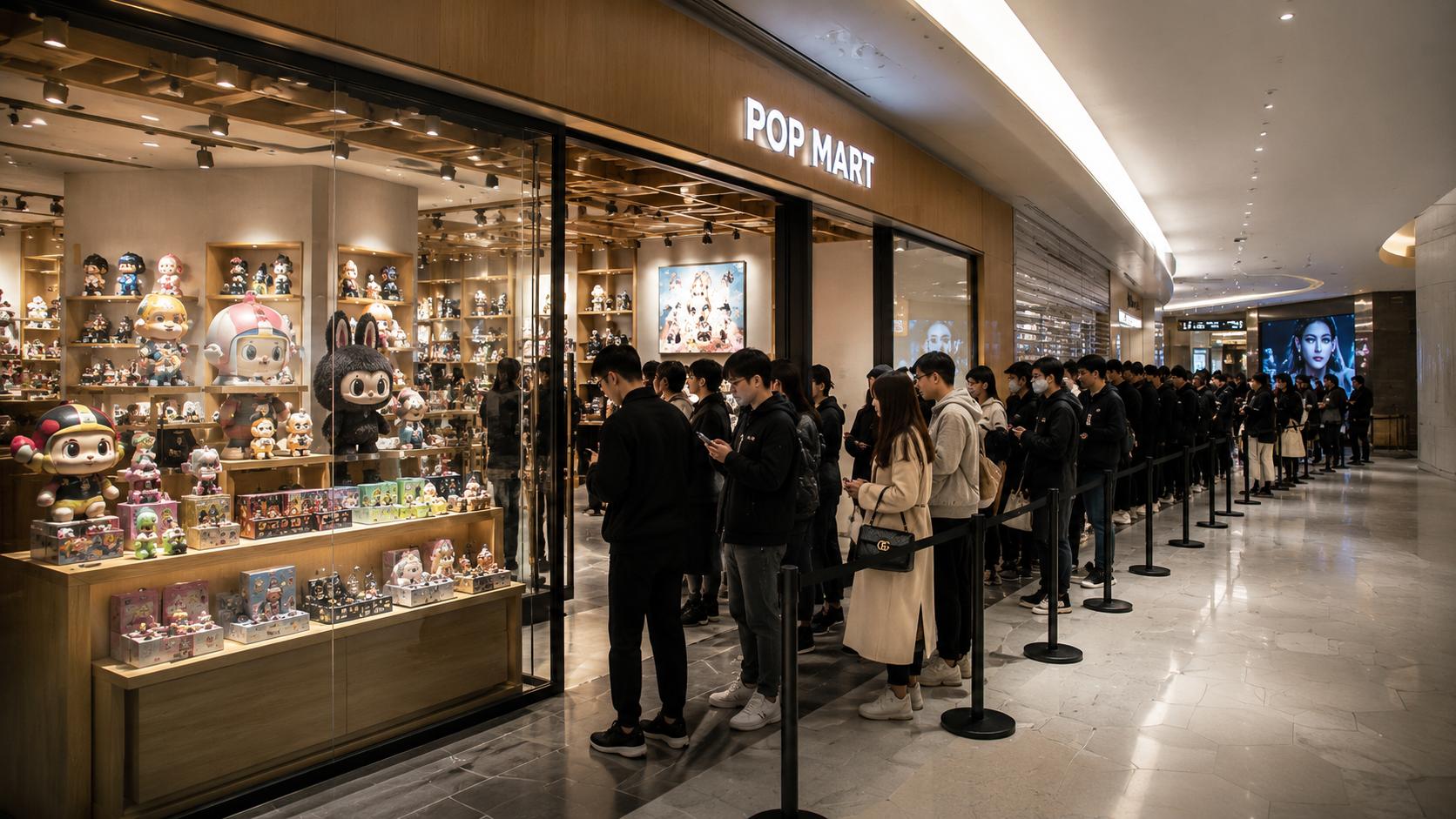
The South Korean toy market is undergoing a structural shift. Facing record-low birth rates, major brands are pivoting toward stressed, financially stable adults who find comfort in childhood nostalgia.
In This Article
Beyond Play: Why South Korea’s Stressed Adults are Driving a Massive ‘Kidult’ Boom
Step into a major shopping mall in Seoul on any weekend, and you will witness a peculiar sight: long lines of twenty, thirty, and forty-somethings eagerly waiting for store doors to open.
They are not waiting for the latest tech gadget or designer fashion drops; instead, they are hunting for limited-edition blind boxes, intricate model kits, and premium plush dolls.
In South Korea, the “Kidult” phenomenon—a portmanteau of “kid” and “adult” describing grown-ups who embrace childhood hobbies—has evolved from a niche subculture into a dominant market force.
Driven by severe demographic shifts, persistent economic stress, and a craving for nostalgia, the Korean toy market is undergoing a profound structural transformation, redefining what it means to grow up.
A Two-Speed Market Driven by Shifting Demographics
The surge in the kidult market is closely tied to South Korea’s changing demographic landscape. With the country facing record-low birth rates, traditional toy sales aimed at children have faced stiff structural competition.
This sharp decline has prompted major toy manufacturers to pivot their target audiences toward single, financially stable adults who have more disposable income.
Brands like LEGO Korea have drastically expanded their adult-focused portfolios over recent years.
Industry reports indicate that mature collectors now sustain a steady, resilient baseline of industry revenue, heavily contrasting with the short, unpredictable hit-driven spikes traditionally generated by children's products.
Gat Strings as a Form of Information
Industry experts point out that the willingness of Korean adults to open their wallets for premium toys is a direct coping mechanism for modern societal anxiety.
Amid a stagnant economy and high real estate barriers, small character items offer an accessible escape.
* Blind boxes: a small, thrilling element of mystery
* Premium action figures: high-end collectibles representing taste
* Designer plush toys: comforting items displayed on office desks
* Plastic model kits: a mindful, meditative construction process
Buying a 30,000 won ($22) blind box acts as an affordable luxury—a quick form of psychological self-care in a hyper-competitive workspace.
More importantly, major retail conglomerates have recognized this shift by dedicating prime department store floor spaces to adult hobbyists, effectively transforming toys from mere playthings into respected lifestyle collectibles.
Celebrity Hype and the Blind-Box Frenzy
The modern kidult trend has also been heavily supercharged by social media algorithms and high-profile K-pop celebrity endorsements.
The explosive popularity of character brands like Pop Mart’s "Labubu" in Seoul serves as a prime example of this digital phenomenon.
When global K-pop stars were spotted accessorizing their luxury bags with these quirky plush keychains, international and domestic demand immediately skyrocketed, triggering massive resale markets.