


Inside Korea’s Hidden Bamboo Forest in Damyang
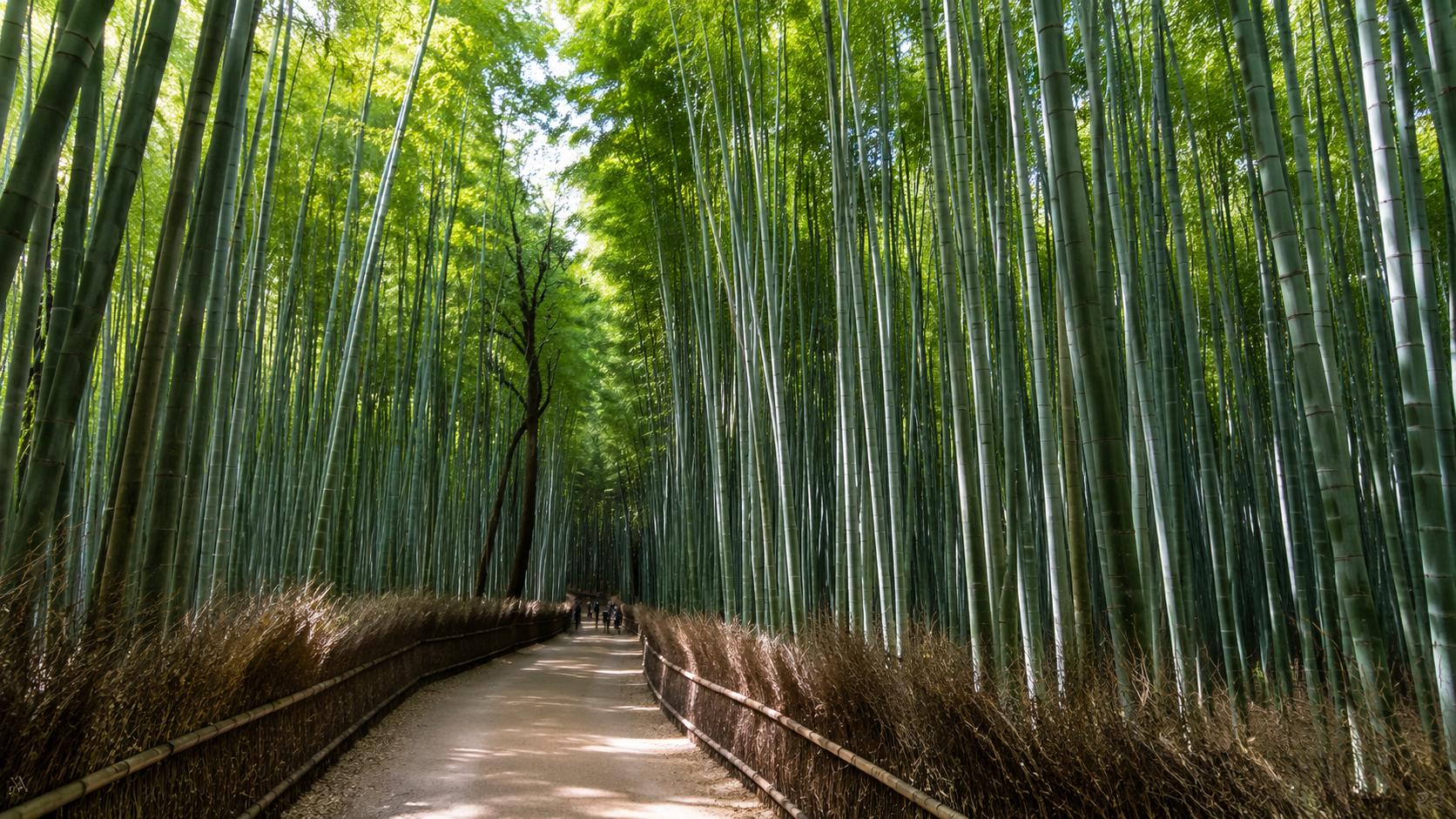
In the southwestern region of South Korea lies one of the country's most peaceful and visually striking destinations. Juknokwon, located in Damyang County, is a vast bamboo forest known for its towering green pathways, cool shaded trails, and unusually quiet atmosphere. While Korea is often associated with busy cities and fast-paced modern life, this hidden forest has become a place where visitors experience a completely different side of the country — one deeply connected to nature, traditional landscapes, and slower travel.
In This Article
What Is Juknokwon?
Juknokwon is a large bamboo forest park located in Damyang County in South Jeolla Province. Opened to the public in 2003, it quickly became one of Korea's most famous eco-tourism destinations. The forest stretches across several walking paths lined with dense bamboo groves, offering visitors cool temperatures and a calm atmosphere even during the hottest summer months.
Why Damyang Became Korea's Bamboo Region
Damyang has long been known as one of Korea's major bamboo-producing regions thanks to its warm climate and fertile land. For centuries, local communities used bamboo as an essential material for daily life, creating baskets, household tools, furniture, and various handcrafted goods. Over time, the region developed a strong cultural identity closely tied to bamboo production and craftsmanship.
Inside Korea's Famous Bamboo Forest
Unlike ordinary parks, Juknokwon offers visitors an immersive experience surrounded almost entirely by towering bamboo stalks. Several walking trails wind through the forest, with sunlight filtering through narrow green leaves high above. The tall bamboo creates a natural tunnel effect, giving the entire space a quiet and almost meditative atmosphere rarely found near Korea's larger urban centers.
How Bamboo Shaped Local Culture
Bamboo has played an important role in Korean culture for centuries, particularly in regions like Damyang. Traditionally, bamboo symbolized resilience and integrity because it bends in strong winds without breaking. In Korean art and literature, bamboo often appears as a symbol of humility and strength. The local economy around Damyang historically depended heavily on bamboo craftsmanship long before tourism developed in the area.
Why Travelers Visit This Hidden Destination
Although international travelers often focus on Seoul, Busan, or Jeju Island, Juknokwon offers something entirely different. Visitors come for quiet walking trails, nature photography, and a slower travel experience away from Korea's crowded urban destinations. The forest has become especially popular among domestic travelers seeking peaceful weekend trips and visitors interested in experiencing Korea beyond major cities.
A Different Side of Korea
Juknokwon reminds visitors that South Korea is not defined only by skyscrapers, technology, and fast-paced city life. Hidden in the countryside, places like this reveal another side of Korean identity — one rooted in nature, traditional craftsmanship, and quiet reflection. For travelers hoping to understand Korea beyond its modern global image, Damyang's bamboo forest offers one of the country's most unexpectedly peaceful experiences.