


Surviving the 'K-Humidity': Why South Korea’s Summer Weather Feels Like a Sauna
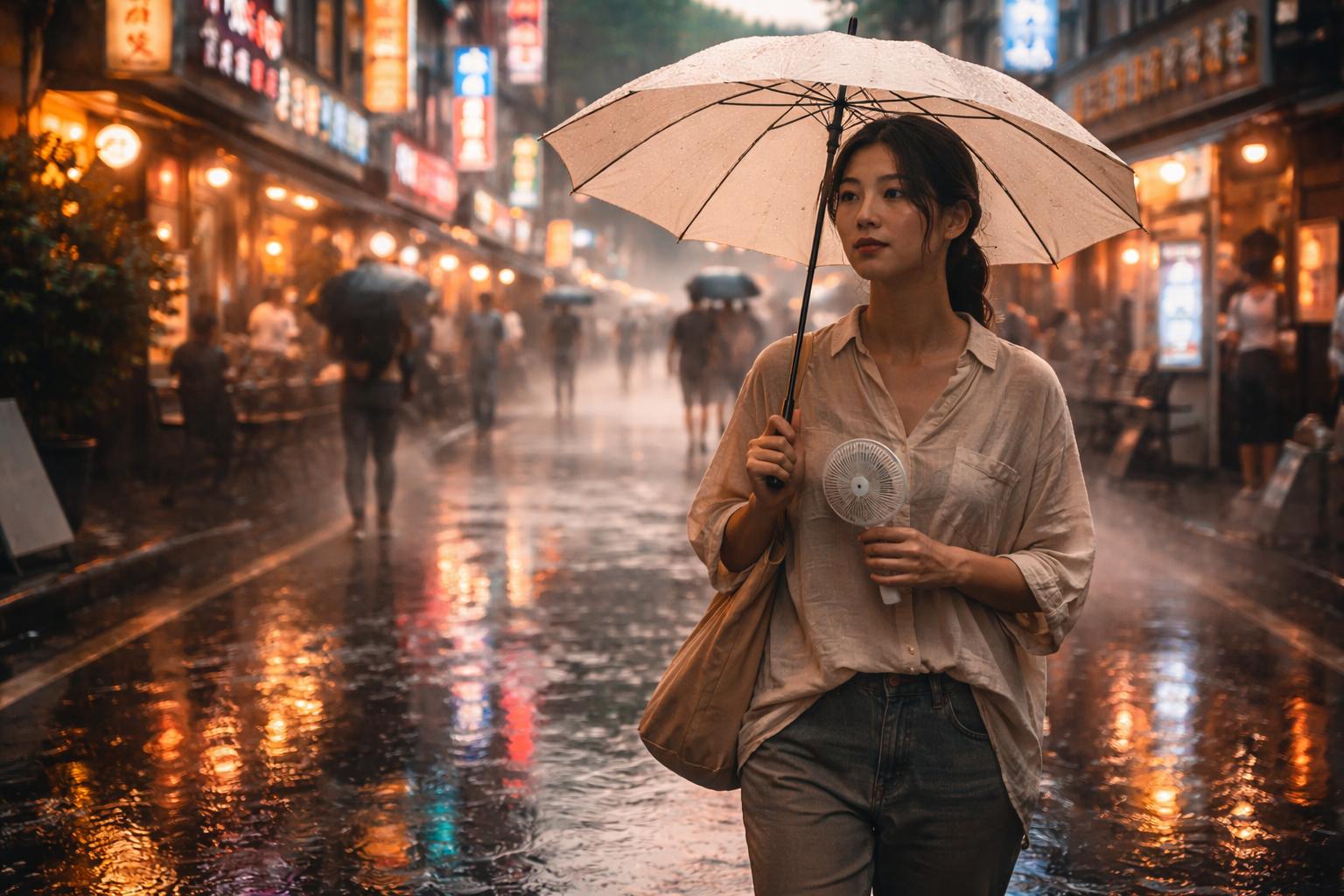
Summer in South Korea is more than just high temperatures. A unique combination of heavy monsoon rains and intense Pacific humidity is reshaping how visitors experience the peninsula.
In This Article
Steaming and Gleaming: Unpacking the Science and Culture Behind Korea’s Humid Summers
When global travelers think of traveling to East Asia, they often anticipate sunny beach days and vibrant night markets. However, stepping off the plane in Seoul during July or August brings an entirely unexpected sensation—a thick, wrapping blanket of dense moisture.
People visiting Korea during this season quickly realize that the local weather forecast doesn't revolve around the actual temperature itself. Instead, everyone's attention naturally rests on a invisible yet powerful metric that dictates daily life—the oppressive relative humidity.
In South Korea, summer is not merely a season on the calendar, but a profound meteorological phenomenon that shapes local behavior, fashion, and urban lifestyle. Dealing with the damp heat has forced both locals and visitors to find creative ways to maintain their comfort and dignity when the air feels thick enough to chew.
What makes this even more interesting is how this extreme climate has reappeared in global pop culture. From K-pop idols performing flawlessly despite the heavy rain to dramatic scenes in cinematic blockbusters, the intense Korean summer setting draws renewed attention from audiences worldwide.
The Heavy Air: Korea’s Summer Was Not Just Hot — It Was a Visual Design Device
In reality, the Korean summer atmosphere is far more sophisticated and layered than it appears on a standard thermometer. Driven by the North Pacific High-Pressure system, the air brings vast amounts of tropical moisture directly onto the peninsula, transforming the concrete jungles of modern cities into massive outdoor saunas.
The humidity creates a subtle sheen over everything, and when the bright city lights catch the heavy evening air, the entire urban landscape changes its silhouette. It is not a static environment, but rather a fluid visual scene whose atmosphere shifts dramatically before, during, and after the seasonal monsoon rains, known locally as *Jangma* (장마).
When the heavy humidity reaches its peak, the sensory experience alters completely.
A sudden afternoon downpour will instantly flood the streets, while the steam rising off the hot asphalt creates a misty shimmer under the neon signs. In that split second, a pedestrian's gaze is naturally guided—not toward the distant sky, but downward toward the cascading sheets of water.
The moisture in the air is not merely a weather condition. It acts as a deliberately designed element of nature meant to slow down the pace of city life.
The Architecture of Air: How Korean Culture Adapts to the Steam
Navigating the thick summer climate is not simply about seeking air conditioning. Depending on how locals dress, eat, and move, they reveal a deep cultural understanding of how to balance body temperature with the surrounding environment.
Even on the hottest, dampest days, the way people move through the city adapts to counteract the oppressive atmosphere.
* Linen clothing: loose-fitting silhouettes that encourage natural airflow
* Handheld fans: portable electronic devices providing a constant personal breeze
* Indoor malls: interconnected underground spaces transformed into cool sanctuaries
* Sun umbrellas: protective layers shield the skin from harsh, humid sunlight
The concept of staying cool is not merely a luxury. In Korean culture, maintaining personal freshness amidst intense humidity is a sign of social consideration and inner discipline. More importantly, it is about how people interact with the indoor and outdoor environments, shifting smoothly from the steamy streets to heavily air-conditioned transit systems. In this sense, summer survival functions as a kind of "dynamic lifestyle effect."
A Culture of Survival Hidden in Modern Summer Treats
Modern urban life tends to combat heat with standard cold drinks. However, during a Korean summer, even the culinary choices carry a rich blend of traditional wisdom and modern culinary design.
What a person eats during a heatwave is direct information about their wellness strategy.
Without saying a word, choosing a bowl of boiling, nutrient-rich *Samgyetang* (ginseng chicken soup) to "fight heat with heat" (*Iyeol-chiyeol*), or opting for a mountain of finely shaved *Bingsu* (milk ice dessert), expresses a deeply rooted understanding of seasonal harmony.