


Baekban(백반): The Everyday Korean Meal That Tells a Story
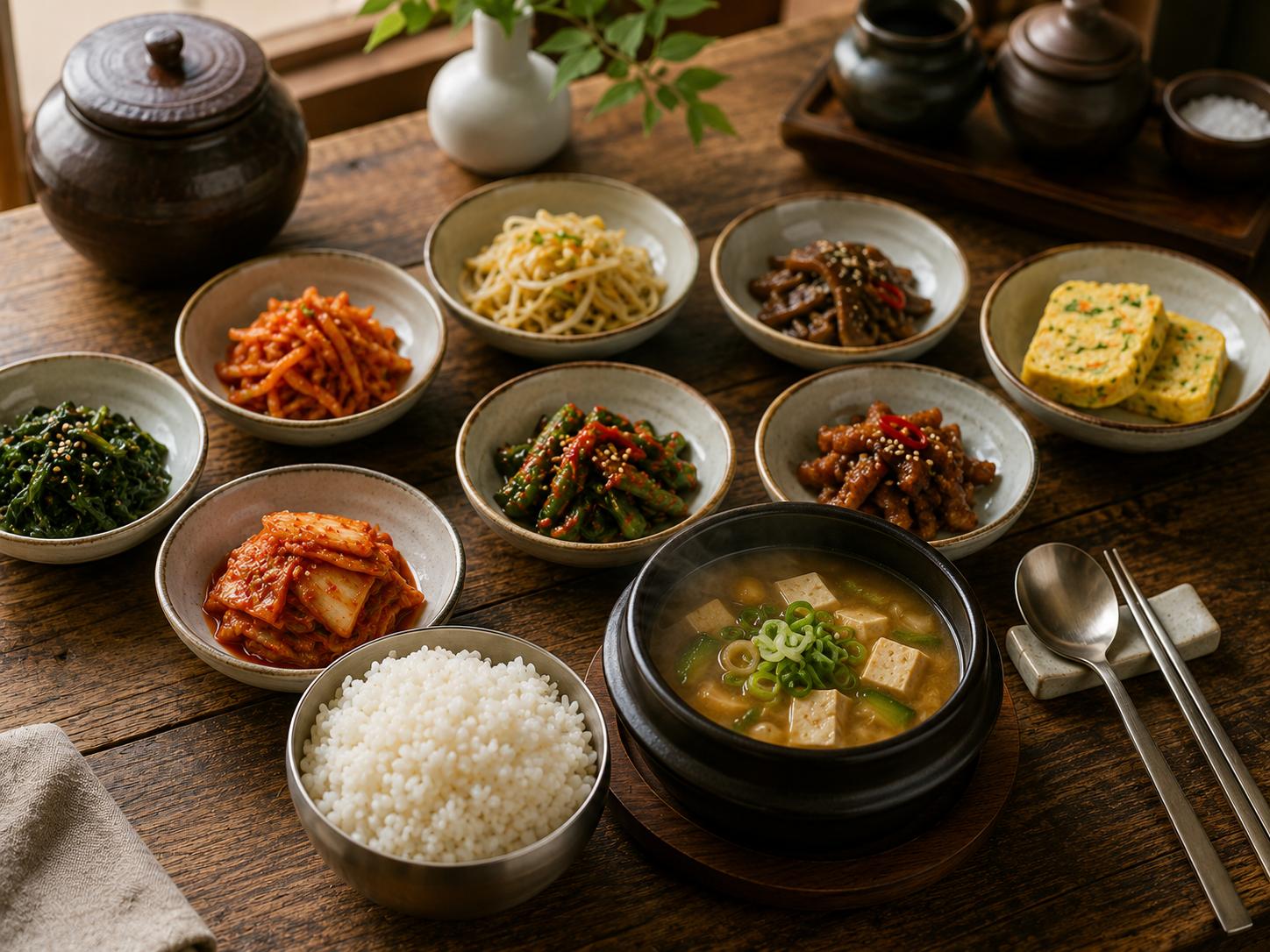
Baekban is more than just a meal; it is the essence of Korean home-style cooking. Discover the daily rhythm and heart of Korean food culture.
In This Article
What Is Baekban?
If you are looking for the most authentic local meal while traveling in Korea, look for a "Baekban" restaurant. The term originally combined the characters for "white" (白) and "rice" (飯). Today, it has become a unique term for a quintessential Korean home-style meal consisting of a bowl of rice, a side of soup, and a variety of side dishes.
Seasonal Ingredients
The charm of a Baekban restaurant lies in fresh ingredients sourced from the market every morning. While some restaurants have fixed menus, many adapt their side dishes based on the season and the day's market offerings. This allows guests to experience the natural flavors of Korea's seasonal vegetables and produce.
The Aesthetics of Sharing
On a Baekban table, alongside your personal bowl of rice and soup, you will find several side dishes meant to be shared. This represents the "sharing" culture at the heart of Korean dining. However, for hygiene and convenience, an increasing number of restaurants now provide individual portions of side dishes.
How to Enjoy Baekban
- Price: Local Baekban spots typically range from 8,000 to 12,000 KRW. Prices are slightly higher in tourist areas (10,000–15,000 KRW), while regional areas often offer more generous portions at lower prices.
- Deom (Extra): Many traditional restaurants practice "Deom," where they willingly refill side dishes. It is a gesture of care to treat guests like family.
- Etiquette: It is polite to use serving utensils to take shared side dishes and to wait for elders to begin eating before you start. Avoiding excessive food waste is also a way to show appreciation to the host.
Tips for Travelers
Baekban restaurants are often small, old, and lack flashy signs. They can be very busy during lunch hours (12:00–13:00) with local office workers. Visiting slightly earlier or during off-peak hours will allow you to enjoy a more relaxed dining experience.