


The Remote Korean Islands Few Travelers Ever Reach
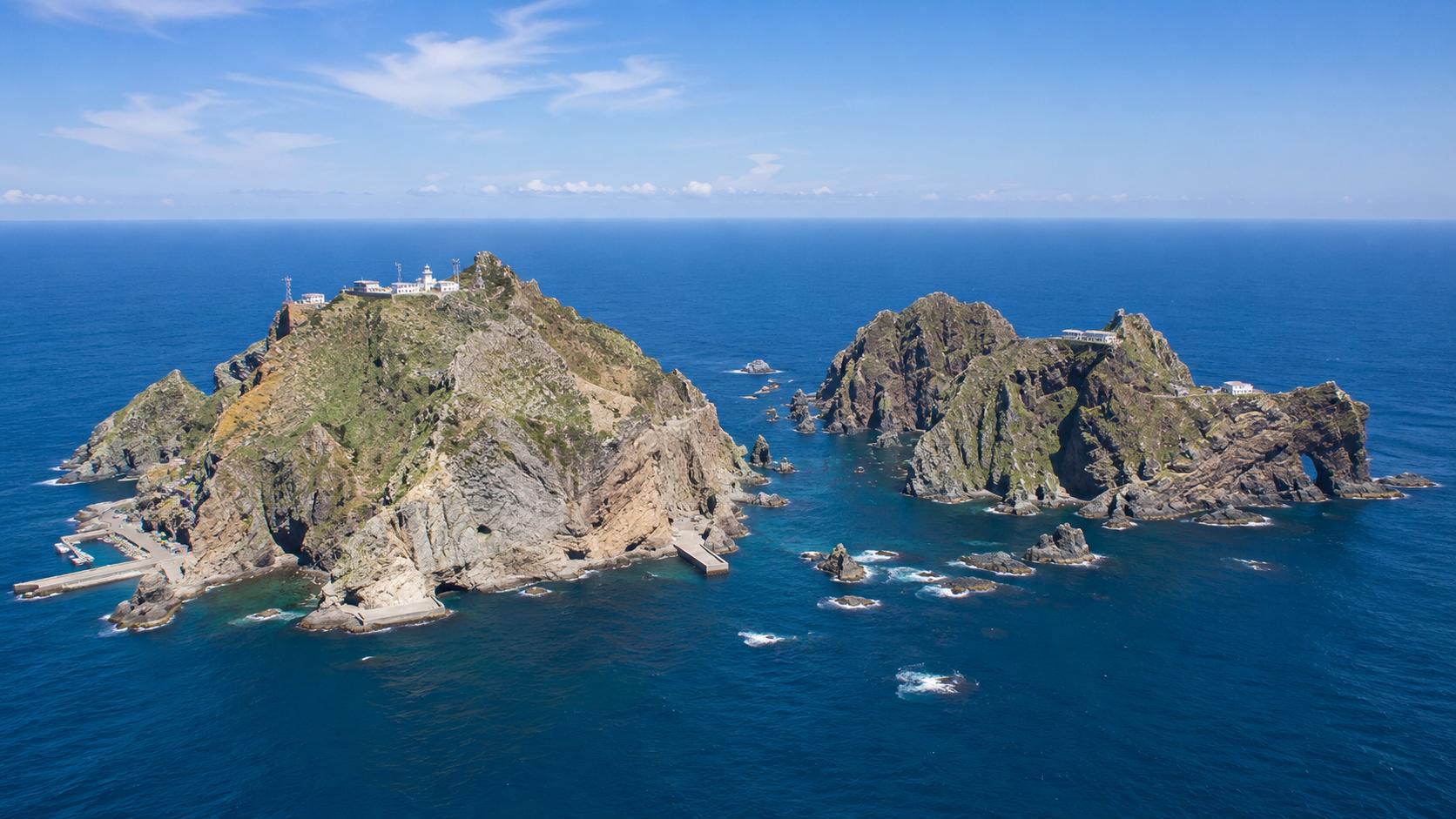
Far beyond Korea’s eastern coastline lies a tiny group of volcanic islets that few people ever get the chance to visit. Known as Dokdo, this remote destination sits even farther east than Ulleungdo and represents one of the most geographically isolated places under Korean administration. Reaching Dokdo requires crossing some of the roughest waters in the East Sea, making the journey itself part of what makes this place so extraordinary.
In This Article
What Is Dokdo?
Dokdo is a small group of volcanic islets located in the East Sea, consisting primarily of two main rocky islands known as Dongdo and Seodo. Although tiny in size, Dokdo occupies an important place in Korean geography because it represents the easternmost territory administered by South Korea. The island’s extreme isolation makes it one of the least accessible destinations connected to the Korean peninsula.
One of Korea’s Most Remote Territories
Located about 87 kilometers southeast of Ulleungdo, Dokdo sits far beyond mainland Korea in open waters. Unlike ordinary islands with developed tourism infrastructure, Dokdo remains largely untouched because of its small size and difficult environment. For most travelers, reaching Dokdo is only possible after first traveling to Ulleungdo, making the island an important gateway to Korea’s farthest eastern territory.
Why Visiting Dokdo Is So Difficult
Visiting Dokdo is far from simple. Travelers must first reach Ulleungdo by ferry from Korea’s eastern ports before boarding another boat heading farther into the East Sea. Weather conditions frequently cancel departures because strong winds and rough waves make docking extremely difficult. Even when visitors successfully arrive, landing time is often limited due to rapidly changing sea conditions.
A Harsh Volcanic Environment
Dokdo was formed by underwater volcanic activity millions of years ago, creating steep cliffs that rise dramatically from the surrounding sea. There are no beaches, no forests, and very little flat land anywhere on the islands. Despite the harsh conditions, Dokdo serves as an important habitat for seabirds and marine ecosystems, making it not only geographically unique but environmentally valuable as well.
Why Dokdo Holds Deep Meaning for Koreans
Beyond geography alone, Dokdo carries enormous symbolic importance for many Koreans. Because of its location, historical records, and modern administrative significance, the island has become deeply connected to national identity and public awareness throughout Korea. For many people, Dokdo represents far more than a distant group of rocks. It stands as one of the country’s most recognizable symbols of territorial heritage and historical continuity.
A Place Few Ever Reach
Unlike Korea’s major tourist destinations, Dokdo remains a place that relatively few people ever experience firsthand. Its harsh natural environment, difficult journey, and isolated location make visiting feel less like ordinary travel and more like reaching the edge of the country itself. For those who continue beyond Ulleungdo, Dokdo offers a rare opportunity to stand at one of the most remote places connected to modern Korea.