


The Green Tea Hills That Became the Heart of Korea’s Tea Culture
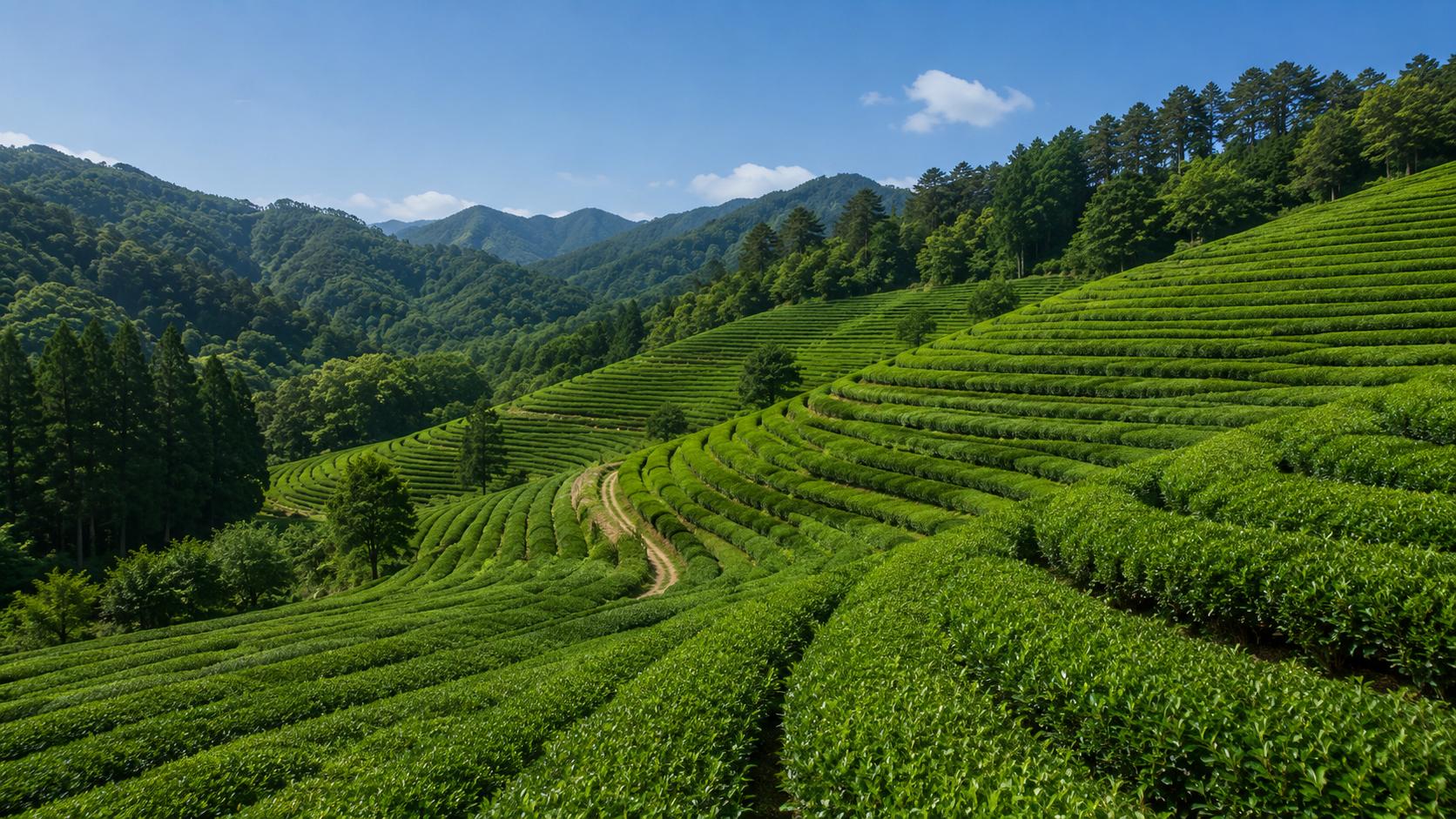
Rolling green hills stretch endlessly across the southern coast of Korea, creating one of the country’s most visually striking landscapes. Located in Boseong County, these famous tea fields are far more than a scenic destination. They represent the heart of Korea’s green tea culture, a place where centuries of tea cultivation have shaped both the land and one of Korea’s oldest culinary traditions.
In This Article
What Are The Boseong Tea Fields?
Located in South Jeolla Province, Boseong is widely recognized as Korea’s most famous green tea growing region. Vast terraced hills covered with carefully cultivated tea plants have turned the area into one of the country’s most recognizable landscapes. While many travelers visit for the scenery, Boseong represents something much deeper: the center of Korea’s modern tea culture and production. :contentReference[oaicite:0]{index=0}
The Long History of Tea in Korea
Tea culture in Korea dates back more than a thousand years, with historical records tracing tea consumption to the ancient Silla Kingdom. Boseong itself has been associated with tea cultivation for centuries, but large-scale production began expanding significantly during the early twentieth century. Over time, the region became the country’s dominant center for green tea farming and remains closely tied to Korea’s tea heritage today. :contentReference[oaicite:1]{index=1}
Why The Landscape Looks So Unique
What makes Boseong instantly recognizable is its remarkable terraced design. Tea bushes are planted in carefully curved rows that follow the natural shape of the surrounding hills, creating enormous green waves that seem to flow across the mountainside. Combined with the nearby cedar forests and coastal climate, the area produces one of the most visually distinctive agricultural landscapes found anywhere in Korea. :contentReference[oaicite:2]{index=2}
The Region Behind Korea’s Green Tea Industry
Boseong is responsible for a significant share of Korea’s total green tea production and has long been considered the country’s tea capital. The region’s abundant rainfall, mineral-rich soil, and mild southern climate create ideal growing conditions for tea cultivation. The famous Daehan Dawon plantation has become both a working agricultural site and one of Korea’s best-known travel destinations. :contentReference[oaicite:3]{index=3}
How Tea Became Part of Korean Culture
In Korea, tea has long been associated with mindfulness, hospitality, and traditional ceremonies. For centuries, tea was consumed not simply as a beverage but as part of spiritual practice, social gatherings, and ancestral traditions. Regions like Boseong helped preserve these traditions by maintaining tea cultivation even as modern Korean food culture rapidly evolved around coffee and contemporary cafe culture. :contentReference[oaicite:4]{index=4}
One of Korea’s Most Beautiful Cultural Landscapes
Today, Boseong represents more than agriculture alone. It stands as one of the clearest examples of how nature, farming tradition, and cultural identity can shape an entire region over generations. While visitors often arrive expecting beautiful scenery, the tea fields quietly tell a much larger story about Korea’s long relationship with tea and the traditions that continue to survive in the modern world. :contentReference[oaicite:5]{index=5}