


Spirits of the Peninsula: The Fascinating Lore Behind South Korea’s Most Famous Ghosts
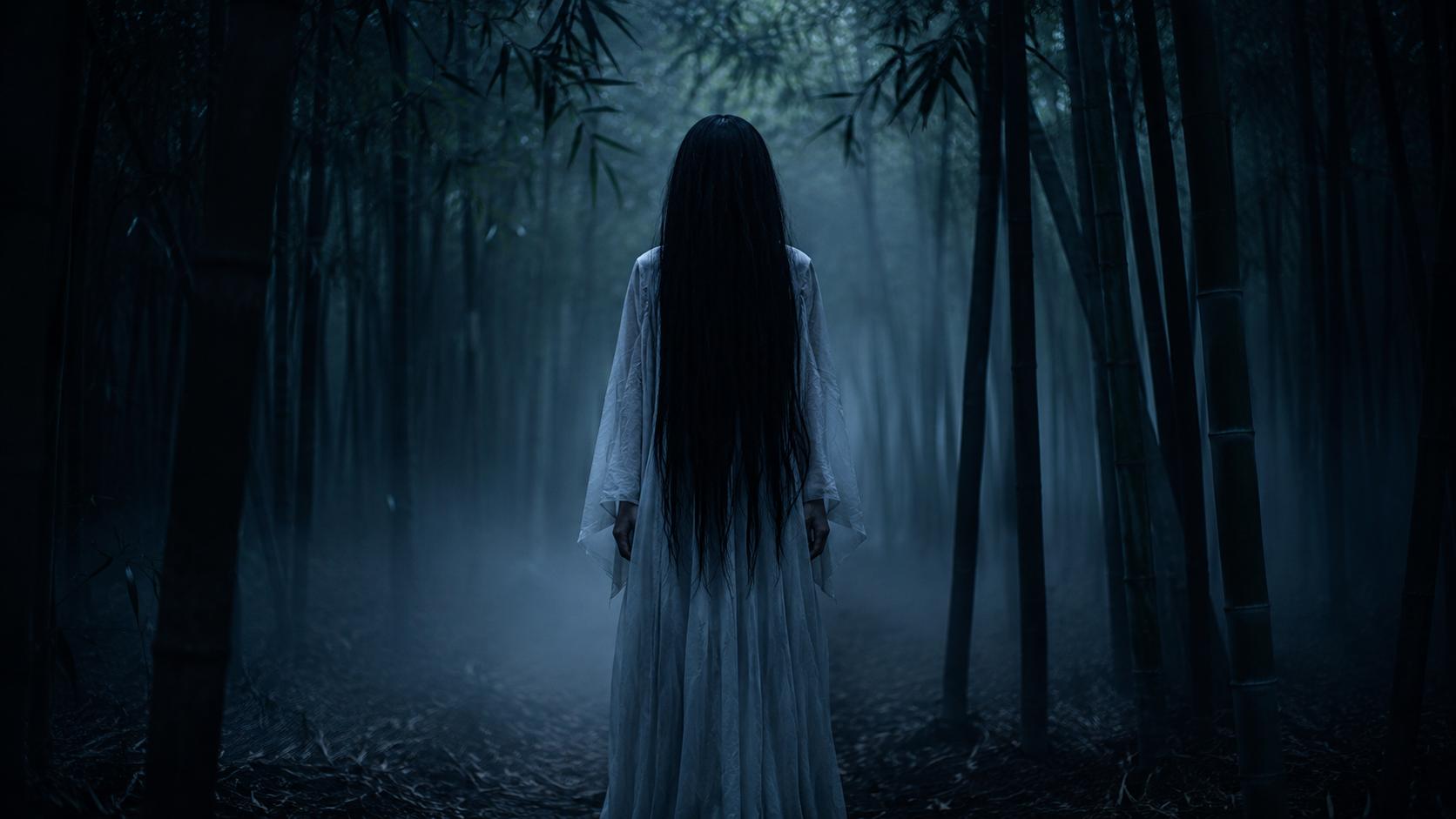
From the vengeful virgin ghost to the shape-shifting nine-tailed fox, South Korea's traditional ghosts are breaking out of ancient folklore and stepping into global pop culture.
In This Article
Spirits of the Peninsula: The Fascinating Lore Behind South Korea’s Most Famous Ghosts
When global audiences think of modern South Korean horror, tech-driven thrillers or fast-moving historical zombies often come to mind. However, long before modern cinema, the Korean peninsula was populated by a rich tapestry of supernatural entities known as gwisin.
In Korean folklore, a gwisin is rarely just a mindless monster. Instead, these spirits are almost always tied to the concept of han—a deep, unresolved resentment or grief accumulated during a tragic life. Because they died with their unfulfilled purpose, they remain bound to the mortal world.
What makes Korean ghosts particularly fascinating is their highly distinct visual design and social symbolism. Far from being simple entities meant to jump-scare, they served as reflections of the societal pressures, gender dynamics, and moral codes of the eras from which they emerged.
Recently, these centuries-old spirits have broken out of dusty storybooks. Thanks to the global rise of K-content, traditional Korean ghosts are undergoing a massive modern glow-up on global streaming platforms.
The Cheonyeo Gwisin: A Manifestation of Unresolved Grief
The most iconic and widely recognized figure in Korean supernatural lore is undoubtedly the Cheonyeo Gwisin, or the virgin ghost. She is instantly identifiable by her long, unkempt black hair completely obscuring her face and her white sobok—the traditional mourning attire.
In Confucian-dominated Joseon society, a woman's primary societal duty was to marry and bear children. Dying unmarried meant failing to fulfill this heavily enforced purpose, leaving the spirit in a state of ultimate unrest.
Her visual appearance is a direct subversion of traditional neatness.
The contrast of the pure white dress against jet-black hair creates a striking, chilling silhouette that has become a fundamental archetype in Eastern horror. Her presence in folk stories was a psychological reminder of the hidden sorrows and rigid constraints faced by women of the era.
When she appears in traditional tales, the temperature drops instantly, and her weeping is said to echo through old villages, demanding justice for her untimely departure.
The Gumiho and Jeoseong Saja: Beyond Simple Monsters
Beyond the vengeful spirits, Korean mythology boasts unique creatures that balance the line between animals, humans, and deities. The most famous among them are the Gumiho and the Jeoseong Saja.
* The Gumiho (Nine-Tailed Fox): A mythical fox creature that lives for a thousand years. It can transform into a beautiful woman to seduce men, often driven by a desperate desire to consume human hearts or livers to become a real human.
* The Jeoseong Saja (Grim Reaper): The solemn herald of death. Clad in a dark, sweeping official hat (gat) and black robes, this entity smoothly guides souls from the mortal realm to the underworld.
* Moral Ambiguity: Neither creature is entirely evil; they operate under strict cosmic laws or intense personal longings.
* Cultural Visuals: The elegant motion of the Gumiho's tails and the shadowy, authoritative silhouette of the Grim Reaper create a powerful aesthetic presence.
The Jeoseong Saja, in particular, was traditionally feared as a grim omen. However, the character's signature visual identity—the dark Joseon hat combined with a pale, expressionless face—has turned into an incredibly fashionable, sleek symbol in contemporary media.
Rather than causing terror, these figures now evoke a profound sense of dark romance and mystery.
From Folklore to Netflix: How K-Horror Reinvents Ancient Spirits
Modern K-dramas and films have completely revolutionized how these traditional ghosts are consumed globally. They are no longer confined to low-budget folklore re-enactments. Instead, they are being humanized and integrated into sophisticated urban fantasies.
Through sleek CGI, high-fashion styling, and complex psychological backstories, today's creators give these spirits a trendy edge.
The Gumiho is often portrayed as a dashing hero navigating modern Seoul, while the Jeoseong Saja is re-imagined as a sympathetic bureaucrat managing human souls. By weaving ancient lore with contemporary storytelling, South Korea has successfully transformed its native terrors into captivating global entertainment.