


The Soul of Itaewon: How a Single District Became Korea’s Gateway to the World
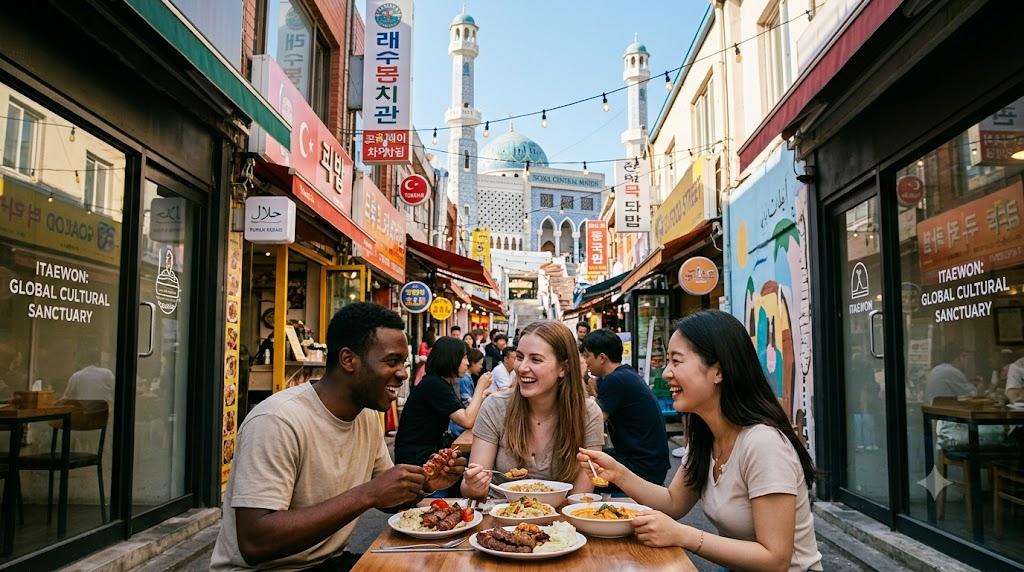
Itaewon is shifting. Beyond a simple nightlife district, a blend of culinary diversity, cultural heritage, and trendy fashion is now reshaping this iconic Seoul neighborhood.
In This Article
The Soul of Itaewon: How a Single District Became Korea’s Gateway to the World
When people think of Seoul, images of sleek skyscrapers, ancient palaces, and bustling K-pop hubs often fill their minds. Yet, nestled right next to Namsan Mountain lies a neighborhood that tells an entirely different story—Itaewon.
Historically shaped by its proximity to the military bases and diplomatic embassies, Itaewon has long stood as South Korea’s original melting pot. It was a place where foreign accents, exotic spices, and unfamiliar languages filled the air decades before globalization became the norm in the peninsula.
In Seoul, Itaewon is not just a geographical location, but a unique cultural sanctuary where people of all nationalities, backgrounds, and identities come together. Here, the rigid norms of everyday city life soften, replaced by an open, expressive sense of community.
What makes this district so fascinating today is how it continues to reinvent itself. It has evolved from a simple nightlife entertainment zone into a sophisticated cultural hub where global trends and deeply rooted local history blend together seamlessly.
A Global Culinary Journey Hidden in the Alleys of Seoul
In reality, the true magic of Itaewon is discovered not on the main avenue, but within the narrow, winding alleys that climb the hillsides. The most famous of these is the World Food Street, located directly behind the main subway station.
Itaewon offers a culinary density found nowhere else in Korea. Within a single block, the rich aromas of Turkish kebabs mix with the scents of authentic Italian wood-fired pizza, spicy Thai curries, and traditional American barbecue.
When you step into these restaurants, the visual scene transports you far beyond the borders of East Asia.
You will find diverse kitchens run by expat chefs who bring the exact flavors of their homelands to the heart of Seoul. For international travelers craving a taste of home—or locals looking to explore the world through their palates—Itaewon functions as an edible atlas, guiding your senses across continents in a single afternoon.
Culture and Heritage: Where Diversity Finds a Home
Itaewon is a rare space in Korea where diverse religious and cultural practices are not just observed, but celebrated openly as pillars of the community.
Even when walking through the same neighborhood, the cultural atmosphere changes completely depending on which hill you climb.
* The Seoul Central Masjid: A stunning architectural landmark serving as the heart of the Islamic community.
* Halal Culinary Zone: A vibrant street filled with certified dining options and international grocery stores.
* Antique Shopping Street: A nostalgic avenue lined with European furniture and vintage treasures from past decades.
* Inclusive Spaces: A welcoming network of establishments catering proudly to the global LGBTQ+ community.
The Seoul Central Masjid, in particular, is highly significant. With its beautiful Islamic architecture, impressive minarets, and intricate blue mosaics, it stands out against the Seoul skyline, symbolizing the city's growing cultural inclusivity.
More importantly, it is how these different communities interact. On any given weekend, you can see people from dozens of different countries sharing tables, exchanging ideas, and building connections. In this sense, Itaewon operates as a living blueprint for modern multicultural harmony.
The New Era of Itaewon: Fashion, Art, and Creative Energy
Modern travelers are looking for more than just standard tourist spots. They want authentic creative subcultures, and Itaewon’s adjacent neighborhoods—like Hannam-dong and Gyeongridan-gil—deliver exactly that.
This surrounding area has become a major center for independent fashion designers, niche perfume boutiques, and contemporary art galleries like the Leeum Museum of Art.
Without saying a word, the street fashion, indie record shops, and underground music venues of the district express the identity of Seoul’s creative youth culture.