


Jeju Island: Why Koreans Call It the "Kingdom of Tangerines" — A Complete Guide to Citrus Picking
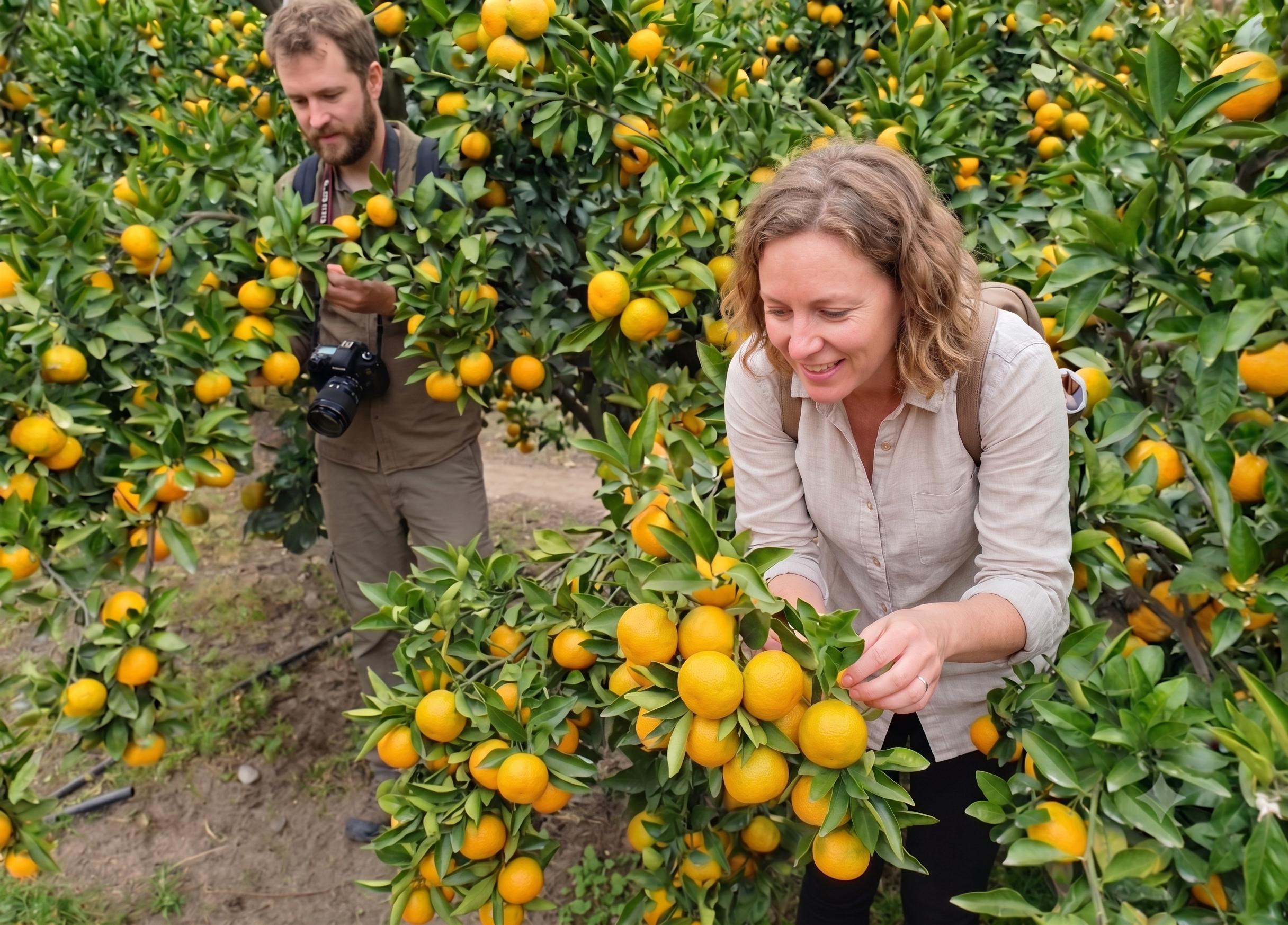
Jeju Island has an unusual nickname in Korea: “Gamgyulguk” (감귤국), literally meaning “The Citrus Kingdom.
In This Article
Why Is Jeju Called the “Citrus Kingdom”?
Jeju Island has an unusual nickname in Korea: “Gamgyulguk” (감귤국), literally meaning “The Citrus Kingdom.” The expression is not an official name, but it is widely recognized enough that Korean television programs such as MBC’s Tipspoon have used it when introducing Jeju.
The nickname reflects how deeply tangerines are woven into the island’s identity. Jeju produces most of Korea’s citrus fruits, and the island’s volcanic soil, mild winters, and long hours of sunlight have made Jeju tangerines especially famous for their sweetness.
Tangerines have long been one of the island’s most important agricultural products. Even today, they remain closely tied to Jeju’s economy, seasonal landscape, and tourism culture.
What Actually Happens During a Tangerine Picking Experience?
The structure is simple. Visitors enter a farm, receive scissors and a basket, and walk directly into the orchard to harvest tangerines themselves.
What surprises many foreign travelers is the tasting policy. At most farms, visitors can eat the tangerines they pick immediately — often with no additional charge or limit during the experience.
Freshly picked Jeju tangerines taste noticeably different from supermarket fruit. The peel is warmer from the winter sunlight, the aroma is stronger, and the juice is noticeably fresher.
After the experience, visitors can usually take home the fruit they harvested. Some farms also offer additional purchases based on weight.
Three Places Mentioned by MBC’s “Tipspoon”
① Harye Tangerine Experience Farm
361-4 Harye-ro, Namwon-eup, Seogwipo-si
A quieter countryside farm focused on traditional harvesting experiences.
② Little Prince Tangerine Farm
45-1 Chusa-ro 36beon-gil, Daejeong-eup, Seogwipo-si
Known for its emotional, photo-friendly atmosphere and decorative orchard setup.
③ Jeju Citrus Museum
441 Hyodonsunhwan-ro, Seogwipo-si
A museum space where visitors can learn about Jeju citrus history, cultivation methods, and regional varieties.
Operating hours, entrance fees, and seasonal availability should be checked directly before visiting.
When Tangerine Farms Became Cafés
Jeju’s citrus farms have gradually evolved beyond simple agricultural tourism. Many farms now combine harvesting experiences with cafés, dessert spaces, and seasonal photo zones.
After picking fruit, visitors often move into stone-walled cafés serving tangerine tea, citrus ade, tangerine scones, and Jeju-style desserts. Some farms also operate one-day classes such as making citrus jam or scented candles.
The scenery itself has become part of the attraction: bright orange fruit against dark volcanic stone walls, green leaves under soft winter sunlight, and rows of orchards stretching across the island landscape.
Many farms even provide free props such as orange-colored hats, vintage baskets, and picnic accessories for photography.
Practical Information
| Item | Info |
|---|---|
| Season | Main season begins in November and continues through January–February for outdoor orchards |
| Main Area | Most experience farms are concentrated around Seogwipo |
| Tangerine Types | Hallabong, Cheonhyehyang, Redhyang, and standard satsuma mandarins |
| What to Wear | Comfortable shoes and clothes that can handle citrus juice stains |
| Pricing | Depends on the farm — usually fixed entrance fee or weight-based pricing |