


Mastering Korea’s Monsoon Season: The Ultimate Guide for Travelers
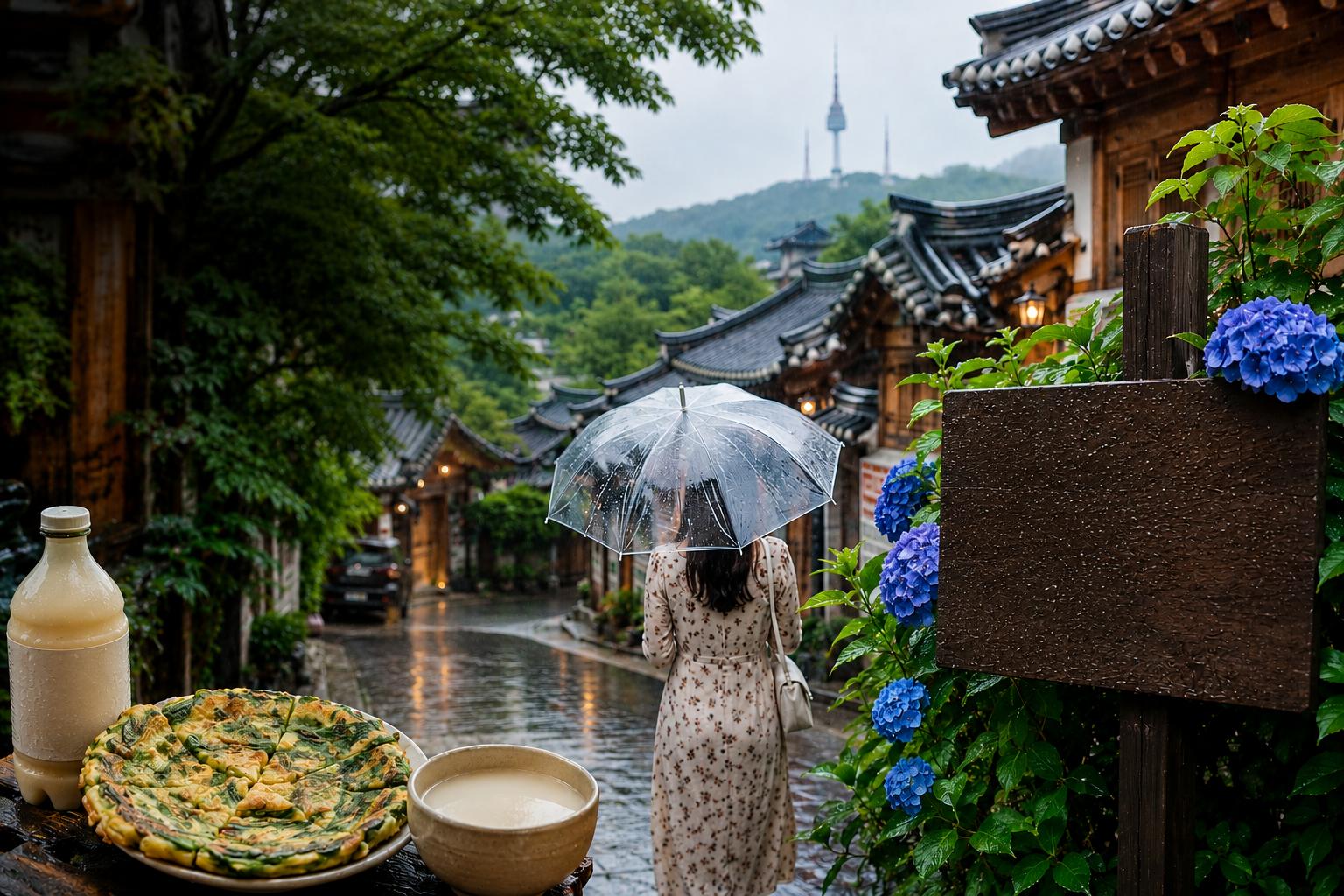
Planning a trip to Korea and suddenly saw the word “Jangma” in the weather forecast? Korea’s rainy season is not simply a period of nonstop rain…
In This Article
Planning a trip to Korea and suddenly saw the word “Jangma” in the weather forecast? Don’t panic. Korea’s rainy season is not simply a period of nonstop rain — it is also a unique seasonal experience filled with emotional scenery, comforting food, and a different side of Korean daily life.
With the right preparation, traveling during Korea’s summer monsoon can become one of the most memorable parts of your trip. Here’s a practical guide to essential items, rainy-season culture, and useful travel tips for enjoying Korea during Jangma.
Monsoon Travel Essentials
Korea’s summer humidity can feel intense, especially in June and July when heavy rain arrives alongside rising temperatures. Packing the right items can make a major difference in comfort.
- Lightweight umbrella or raincoat: Sudden downpours are common during Jangma. Compact umbrellas are easy to carry, while raincoats keep both hands free. Transparent convenience-store umbrellas are especially popular in Korea and often appear in rainy-day street photography.
- Quick-dry clothing and waterproof footwear: Functional fabrics dry faster than cotton in humid weather. Waterproof sandals or rain boots are often more comfortable than sneakers during long rainy days.
- Portable deodorizing and sanitizing items: Small deodorizer packs, wet wipes, and sanitizing tissues help keep bags and personal items fresh during humid travel conditions.
- Portable battery and waterproof pouch: Rainy days usually mean more indoor navigation and map checking. Waterproof pouches help protect phones, cameras, and power banks from unexpected rain.
How to Enjoy Korea’s Rainy Season
Many first-time visitors assume rain automatically ruins a trip. In Korea, however, rainy days often create a completely different atmosphere rather than simply stopping travel.
Palace stone paths become reflective and quiet. Mountain forests turn intensely green. Small alleyways glow under neon reflections at night. Some travelers even intentionally visit traditional neighborhoods during rainy weather because of the calmer mood and cinematic scenery.
Instead of trying to avoid the rain completely, many locals adapt their routines around it. That seasonal rhythm is part of the experience itself.
Korea’s Rainy Day Food Culture
In Korea, rainy weather is strongly associated with certain foods — especially pajeon (savory scallion pancake) and makgeolli (traditional rice wine).
One commonly repeated explanation is that the sizzling sound of pajeon cooking resembles the sound of rain falling outside. Whether scientifically true or not, the connection has become part of Korean rainy-day culture.
On rainy evenings, restaurants serving freshly made pajeon often become crowded with groups sharing food and drinks while listening to rainfall outside.
- Popular areas to experience this atmosphere include Insadong and Gwangjang Market in Seoul.
- Seafood pajeon and kimchi pajeon are among the most commonly ordered variations.
- Makgeolli is typically served cold in metal bowls alongside savory pancakes.
Best Indoor Places During Heavy Rain
If rainfall becomes too strong, Korea offers many large-scale indoor destinations that can easily fill an entire day.
Modern shopping complexes such as COEX or The Hyundai Seoul combine shopping, restaurants, exhibitions, cafés, and cultural spaces within a single building. Many visitors are surprised by how much time can comfortably be spent indoors during rainy weather.
Museums and art galleries are also well-developed throughout Korea. Rainy days often become ideal opportunities to explore Korean contemporary art, traditional crafts, or media exhibitions without dealing with crowds or summer heat.
Relaxing at a Korean Jjimjilbang
Few experiences match the comfort of a Korean jjimjilbang on a humid rainy day.
Jjimjilbangs are large public sauna complexes that combine hot rooms, baths, relaxation areas, snacks, and sleeping spaces. Locals often spend several hours there during bad weather.
Visitors can sweat inside heated clay or charcoal rooms, cool down afterward, and drink traditional sweet rice beverages called sikhye. For many travelers, a jjimjilbang becomes one of the most memorable parts of experiencing everyday Korean culture.
Useful Apps for Travelers
- Naver Map / KakaoMap: These apps are generally more accurate in Korea than Google Maps, especially for walking directions, indoor navigation, and public transportation information.
- Weather Apps: Rain intensity can change quickly during Jangma. Checking hourly forecasts frequently helps travelers adjust schedules more flexibly.
According to a recent KBS report citing the Korea Meteorological Administration, summer 2026 is expected to bring above-average temperatures along with increased rainfall during the June–July monsoon period. Local forecasts also warned of possible localized heavy rain events later in the summer.
Editor’s Note
Korea during the rainy season has a quieter kind of beauty. Palace roofs darken under the rain, café windows fog up beside neon streets, and mountain landscapes become deeply saturated in green.
Instead of treating rain as something that interrupts travel, try experiencing the atmosphere it creates. In many ways, Jangma reveals a softer and more emotional side of Korea that sunny weather sometimes hides.