


K-Pop Challenges: The 15-Second Dance Trend Taking Over the World
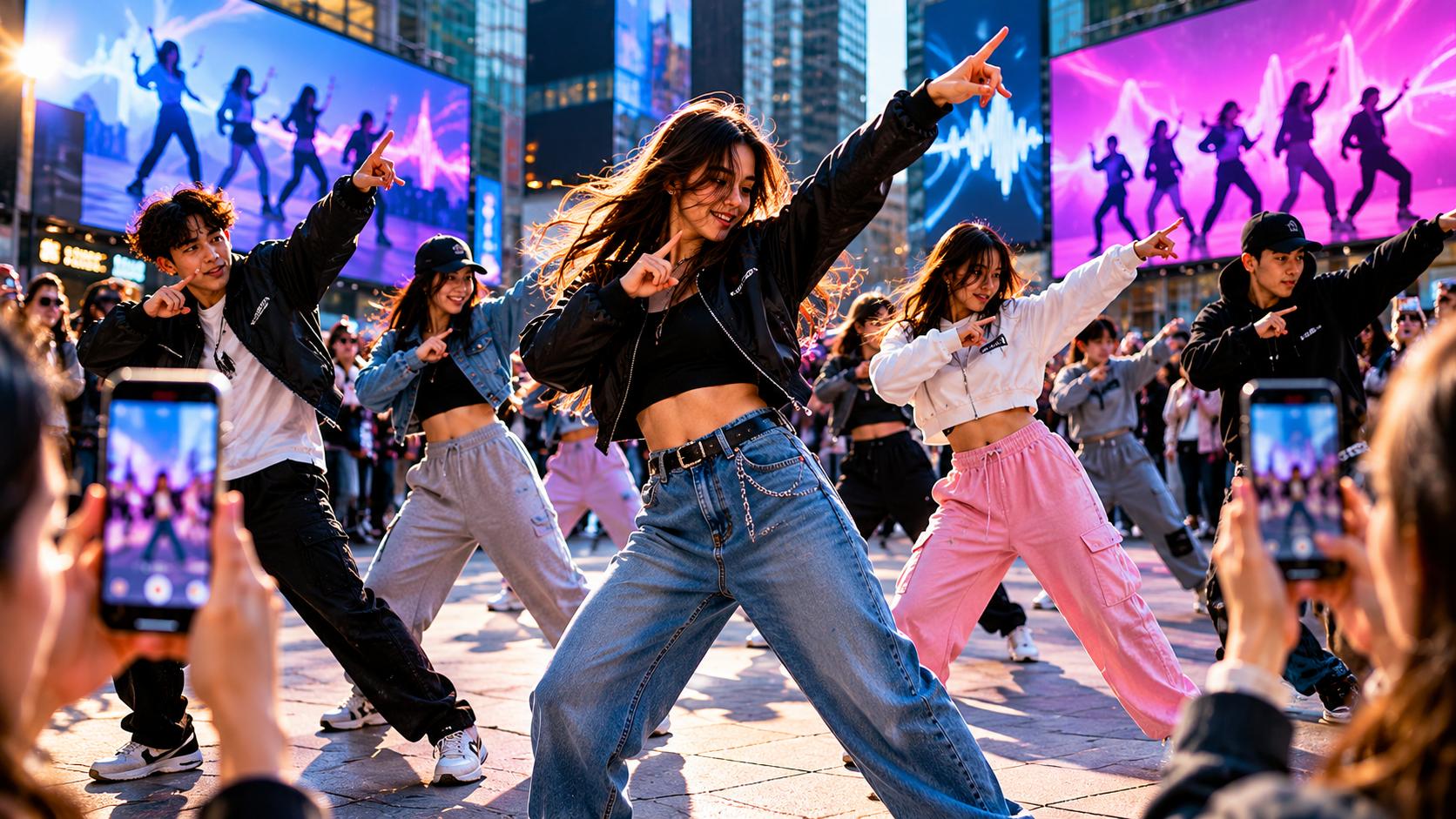
K-Pop choreography is no longer just a performance on stage. The short, 15-second dance sequences created by Korean idols cross screens worldwide…
In This Article
K-Pop choreography is no longer just a performance on stage. The short, 15-second dance sequences created by Korean idols cross screens worldwide, becoming 'global memes' followed by university students in New York and office workers in Paris.
From an outsider's perspective, here are three factual reasons why K-Pop choreography has become such a powerful cultural phenomenon.
Optimized for 'Copying': The Killing Part
While K-Pop choreography used to focus on high technical perfection and elaborate group dances, the recent strategy centers on 'point moves' that anyone can follow.
- Intuitive movements: Instead of high-difficulty techniques, 'easy movements' using fingers or rhythmic beats are placed in the song's most important sections (killing parts).
- Visual branding: One can understand the song's vibe through the movements alone, even without knowing the language. It becomes a 'body language' that anyone can participate in without complex lines or lyrics.
Challenge Culture: From Fan to Creator
Challenges have evolved beyond simple promotion, transforming passive fans into 'active creators.'
Removing barriers to participation: Idols upload challenge guides to encourage direct participation. These videos are often filmed in familiar spaces like practice rooms or waiting areas, narrowing the psychological distance between artists and fans.
Freedom of reinterpretation: Users go beyond merely imitating; they create 'their own versions' by adapting the style or filming with friends. This process itself spreads rapidly through platform algorithms like TikTok and Reels.
Digital Play That Crosses Language Barriers
The most grounded fact behind K-Pop’s success in the global market is the 'sensory consumption of music.'
Joy without context: Even without understanding the lyrics, users feel the 'vibe' through the energy and rhythm of the choreography. Challenges allow people around the world to share this sensory pleasure in real-time.
Forming a Digital Tribe: The act of dancing to the same music and sharing hashtags provides a 'digital sense of solidarity' that binds people together. It acts as a powerful social tool that blurs the boundaries of nations and cultures.