


Why Korea Calls Some Artists 'Living Treasures'
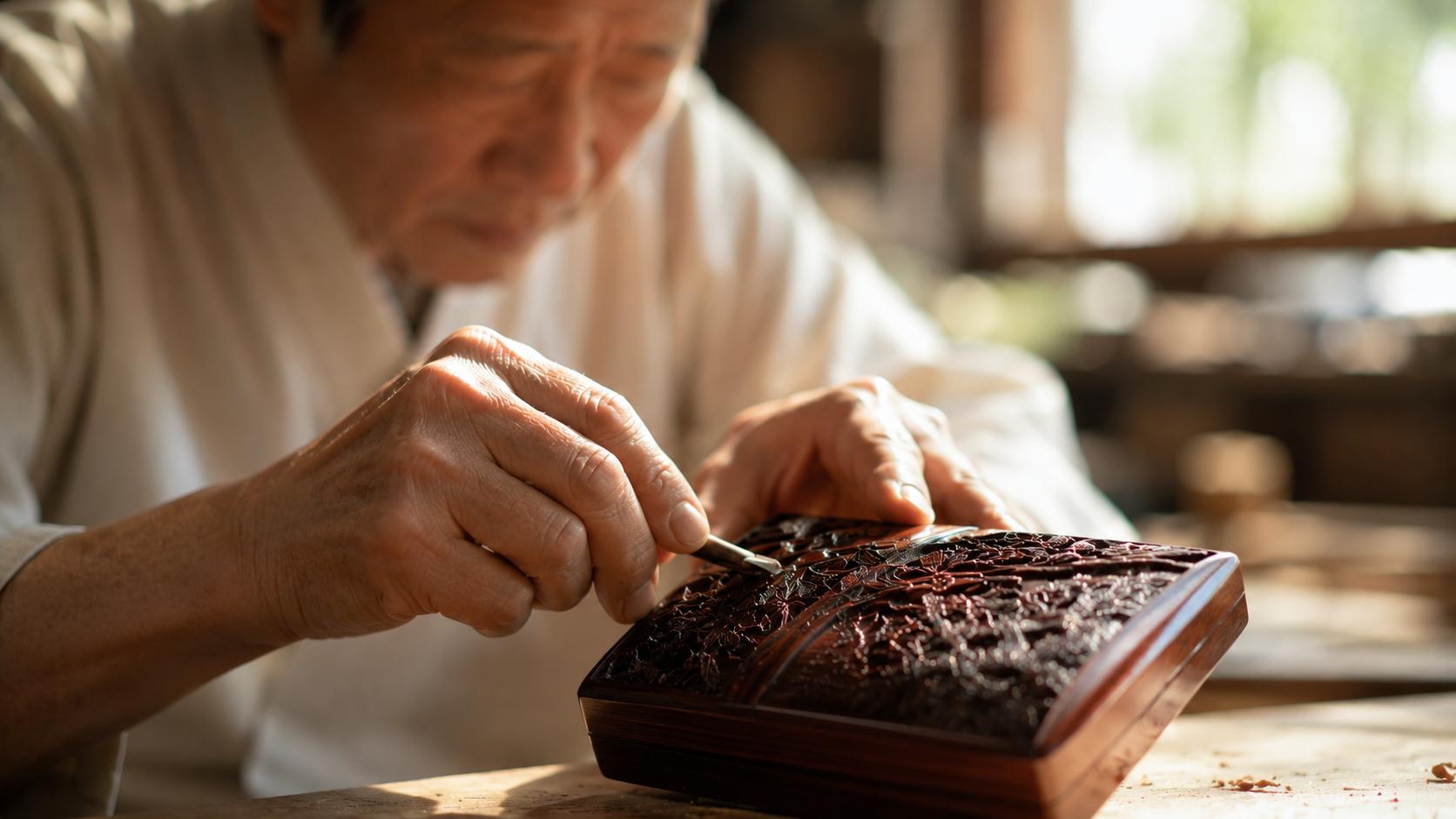
In most countries, "national treasures" are found behind glass in museums. But in Korea, some of the nation's most precious treasures are alive, breathing, and working in quiet studios. Meet the 'Living Human Treasures'—masters whose hands hold the very history and soul of Korean craftsmanship.
In This Article
A Nation That Preserves People
Korea’s 'Living Human Treasure' (Intangible Cultural Heritage) system is a unique cultural policy. Rather than just protecting physical objects, the government designates master artisans as national treasures to ensure that ancient skills—from traditional weaving and lacquerware to music—continue to be taught and performed.
The Path of a Master
Becoming a Living Human Treasure is a lifelong journey of discipline. It often takes decades of repetitive, meticulous work to master a single craft. These masters are not just workers; they are the living vessels of history, preserving the techniques that would otherwise vanish in the modern age.
Bridging Past and Present
These artisans are the bridge between Korea’s ancient royal past and its hyper-modern present. By passing on these skills to the next generation, they ensure that the 'Korean aesthetic' remains dynamic, constantly evolving while staying rooted in its core identity.
Why It Matters Today
In a world obsessed with speed and mass production, the existence of Living Human Treasures reminds us of the value of patience, detail, and human touch. To see them work is to realize that the most precious technology Korea possesses is the knowledge held in the hands of its people.