


The 5-Gram Plastic Shift Shaking a Billion-Dollar Market: The Economics of Photocard Collecting Cult
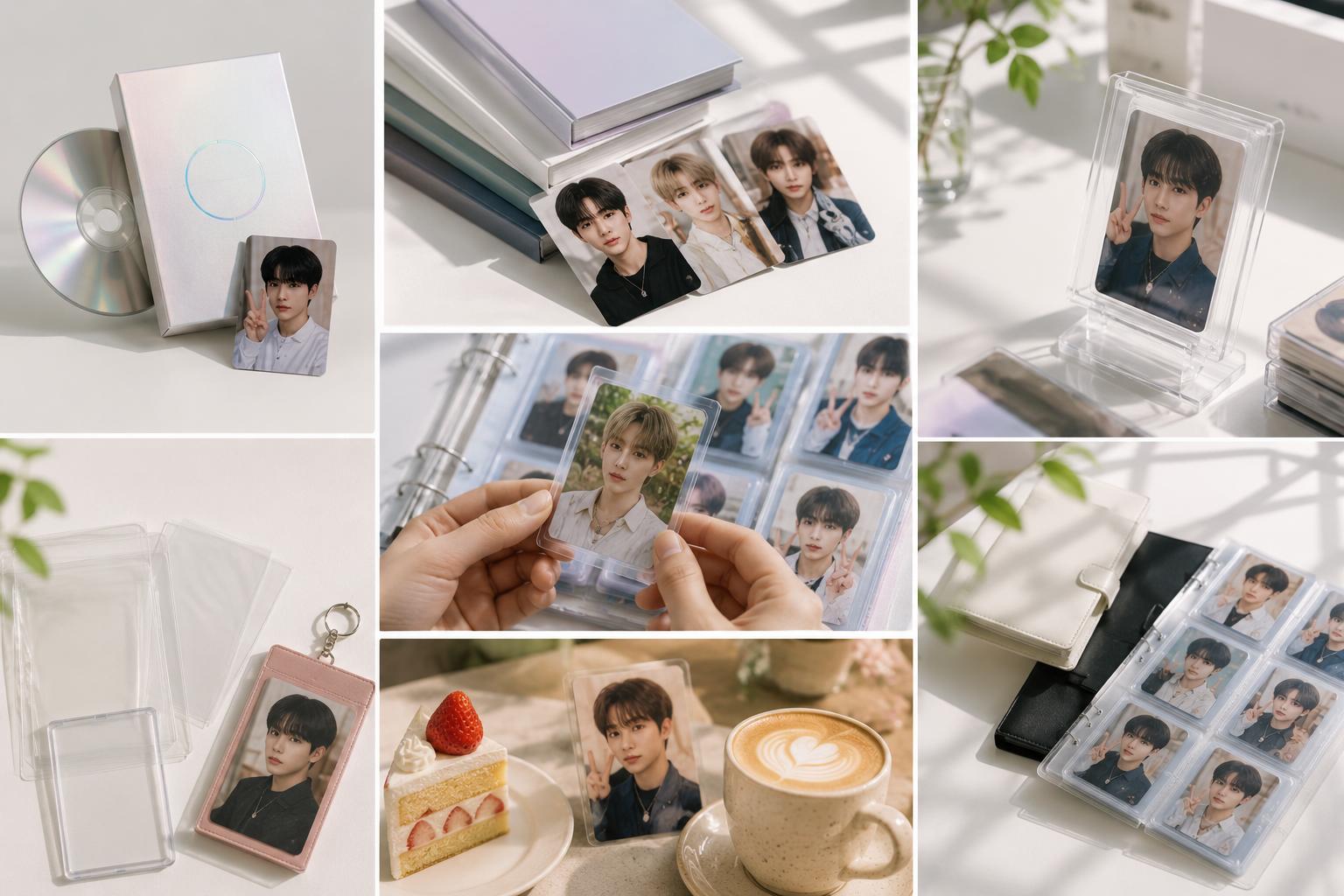
A 5.5 × 8.5 cm slip of printed plastic has quietly become one of the most powerful revenue drivers in the global entertainment industry. The K-pop photocard is no longer a freebie tucked into an album — it is the product itself, commanding its own market, its own economy, and its own culture.
In This Article
The Album as a Means to an End
In the era of physical media, a CD was the core product — the music — and a photocard was a small gift included as a thank-you for buying it. In the age of streaming, that relationship has been completely inverted. Fans now purchase dozens, or even hundreds, of the same album not to listen to it, but to obtain the randomly inserted photocard of their favourite member.
The CD itself is often discarded or donated. The photocard survives. This reversal — where the former "freebie" has become the real product — has become one of the core business models driving explosive album sales figures for entertainment companies.
Scarcity by Design
The photocard economy is sustained by two structural forces: randomness and scarcity. When a fan buys an album from a ten-member group, the odds of pulling their favourite member's card are slim. Entertainment companies compound this by releasing exclusive photocards tied to specific broadcasters, fan-sign event entry draws, and seasonal campaigns — each version distinct, each one manufactured to create a new sense of deficiency.
Because demand vastly outstrips the controlled supply, rare photocards can trade for hundreds of thousands to millions of Korean won per card. A printed sheet that costs a few dozen won to produce can command a price higher than gold by weight — simply because of the story attached to it.
The Secondary Market and 'Poka-Tech'
Photocards have evolved beyond collectibles into something closer to alternative assets. On platforms such as X (formerly Twitter) and Bungaejangter, tens of thousands of photocard transactions take place every day. Prices fluctuate in real time based on a member's current popularity, the aesthetic quality of a particular shot (a legendary selfie, for instance), and whether a version has been discontinued.
The practice of buying low and reselling at a profit has earned its own portmanteau: poka-tech (포카테크), combining poka (photocard) and jae-tech (investment or asset management). Among teenagers and young adults, this secondary market functions with the logic — and the risk — of a minor financial market.
The Spin-Off Industries
The photocard boom has generated demand well beyond the entertainment sector. Because collectors understand that damage or contamination reduces a card's value, an entire ecosystem of protective accessories has emerged: transparent vinyl sleeves, hard plastic top-loaders, and ring-bound binders designed specifically for storage and display.
Retailers such as Daiso have introduced permanent sections dedicated to poka-kkumi (포카꾸미) — the practice of decorating photocards. The culture of styling a card and sharing photographs of it on social media, or bringing a card to a well-known café or restaurant for a ceremonial "etiquette shot" (yejol-shot), has extended the photocard economy into food, beverage, and tourism industries as well.
A Physical Token of Fandom
To an outside observer, spending significant sums on small printed cards may seem difficult to rationalise. But photocard collecting speaks directly to a very human need: to materialise an intangible feeling. In an era when fandom exists largely online, a photocard is a physical, holdable proof that someone belongs to a community and is devoted to an artist.
The K-pop photocard economy is, in this sense, a precise case study in how narrative and identity — rather than the physical object itself — can become the most durable form of value in contemporary consumer culture.