


'Yeot' and 'Chapssaltteok': Foods Koreans Eat to Wish for Exam Success
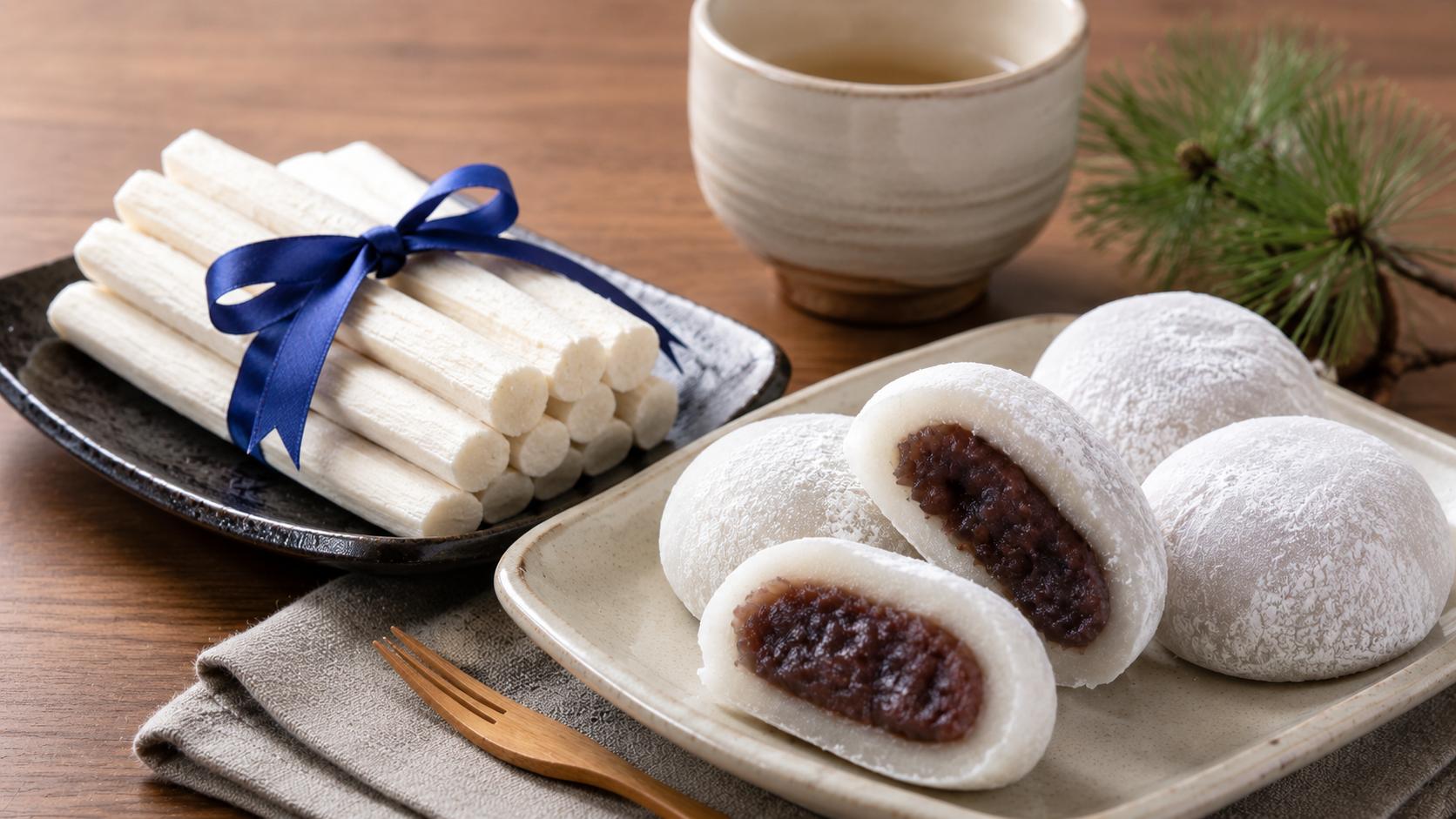
Every November, an eerie yet deeply moving cultural phenomenon takes over South Korea as the national College Scholastic Ability Test (Suneung) approaches. While student supporters around the world might offer good luck cards or chocolate, Korean high school gates and lockers are routinely plastered with something far stickier: "Yeot" (traditional malt taffy) and "Chapssaltteok" (glutinous rice cakes). Far from a random sugar rush, this is a fascinating display of linguistic folklore, where the physical properties of food are weaponized as cultural metaphors for academic success.
In This Article
The Linguistic Metaphor: To 'Stick' is to Pass
To understand why Koreans gift extremely sticky foods before a life-altering examination, one must dive into the dual meaning of the Korean verb "Butda" (붙다). In literal conversation, "butda" means to physically adhere, glue, or stick to a surface. However, in an academic or professional context, the exact same word is used to express "passing an exam" or "being accepted into a university."
Because of this linguistic overlap, foods with hyper-adhesive qualities became powerful symbols of luck. By consuming Chapssaltteok (stuffy, dense rice cakes filled with sweet red bean) or chewing on rock-hard Yeot, students are participating in a delicious piece of wordplay. It is a sensory manifestation of an unspoken collective wish: that the student’s name will "stick" permanently to the acceptance list of their dream university.
The Ritual of the Gate: Smashing Taffy for Good Fortune
In the weeks leading up to Suneung, this cultural pun transforms into a highly visible public ritual. Junior students, parents, and teachers gather at the main gates of high schools across the country. In a bizarre scene for international onlookers, they take pieces of wet, pliable Yeot and aggressively smash or press them directly onto the stone pillars and iron gates of the school.
This acts as a communal ward of protection and encouragement. The logic dictates that if the taffy sticks firmly to the gate despite gravity and the autumn wind, the students testing inside that building will pass their exams with flying colors. Though modern generations view it with a touch of lighthearted humor, the underlying emotional weight is undeniable. It showcases a hyper-competitive society wrapping its deepest anxieties in sweet, traditional folklore.
The Ultimate Forbidden Menu: Slippery Soups and Fractured Foods
Just as there are mandatory adhesive foods to welcome success, Korea’s culinary exam culture features an unyielding list of forbidden foods based on the exact opposite linguistic principle. The ultimate taboo on exam morning is "Miyeok-guk" (seaweed soup). While highly nutritious and traditionally eaten on birthdays, the slippery, gelatinous texture of seaweed triggers the phrase "Migeureojida" (미끄러지다)—meaning to slip, slide, or catastrophically fail a test.
The culinary paranoia doesn't stop at soup. Savory egg dishes are often avoided because an egg resembles a zero ("0"), and crunchy, easily fractured foods like crackers or biscuits are avoided out of fear that the student’s focus or scores will similarly "shatter." On a morning where a decade of schooling is evaluated in an 8-hour sprint, millions of households choose to play it completely safe, opting for plain, easily digestible rice porridge packed in thermoses.
FrontLens Walker’s Guide: Feeling the Suneung Energy in Seoul
If you happen to visit Seoul during late October or early November, you can feel this electric, high-stakes atmosphere radiating through the city’s lifestyle hubs. FrontLens recommends exploring specific corners to observe this unique cultural ritual in real-time.
First, take a walk through the historic alleys of Insadong. The traditional confectionery shops here display beautiful, elaborate Suneung gift packages filled with artisanal Yeot wrapped in red and gold fortune cloths. Next, visit historic temples like Jogyesa Temple in downtown Seoul or Bongeunsa Temple in Gangnam. Here, you will witness thousands of parents lighting candles and placing sticky rice cakes before shrines, creating a quiet, intensely spiritual contrast to the bustling, tech-driven metropolis outside.