


Udo Island: Jeju's Car-Free Coastal Escape
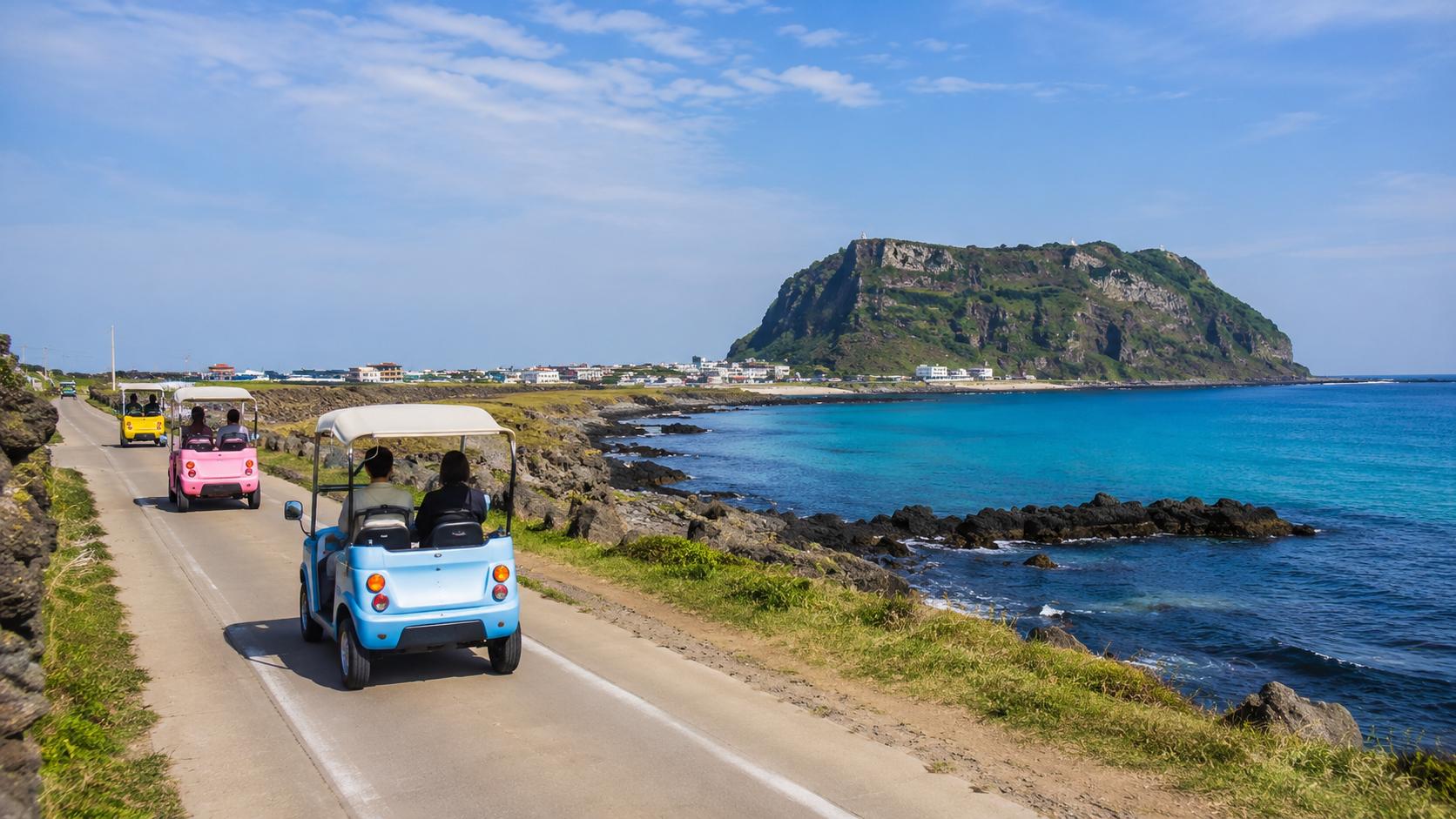
While the global tourism industry races to accelerate travel with high-speed networks and dense transit systems, a small volcanic island off the coast of Jeju, South Korea, is conducting a radical experiment in decelerating the human experience. Udo Island has systematically eliminated conventional rental cars to pioneer the world’s most successful micro-mobility sanctuary. By replacing roaring automotive transit with a whimsical, synchronized network of colorful electric trikes and bicycles, this tiny island has transformed geographical constraints into a masterclass of eco-friendly urban design. It offers international travelers a captivating blueprint of a future where sustainability does not compromise exploration, but completely redefines it.
In This Article
The Island That Said "No" to Cars: A Sanctuary for Deceleration
To step onto Udo Island is to instantly feel a profound shift in the auditory environment. Located just a 15-minute ferry ride from Jeju’s eastern shore, this fertile volcanic outpost was once on the verge of being overwhelmed by automotive congestion. As tourism surged, the island's narrow, winding coastal roads—originally carved out by generations of local fishermen and *haenyeo* (female divers)—became choked with rental cars, threatening its fragile ecosystem.
In a bold legislative move, local authorities implemented a strict ban prohibiting outside rental cars from entering the island, reserving entry only for residents and overnight guests. This structural restriction was not an act of isolationism, but a deliberate choice to prioritize human scale over automotive dominance. By removing large vehicles, Udo effectively hit the pause button, creating an accidental paradise where pedestrian safety and natural vistas take center stage.
The Electric Trike Revolution: Crafting the Micro-Mobility Grid
The true magic of Udo, however, lies in how it filled the transport void. Instead of relying on a standard public bus system, the island fostered a vibrant, decentralized ecosystem of micro-mobility. Upon stepping off the ferry, travelers are greeted not by lines of traditional taxis, but by rows of miniature, colorful electric three-wheeled vehicles (affectionately called "e-trikes") and smart electric bicycles.
These tiny vehicles have completely redefined the island's infrastructure. Operating on quiet, low-emission electric drivetrains, these trikes perfectly match the scale of Udo's narrow coastal lanes. They provide the ultimate sense of autonomy, allowing international visitors to effortlessly navigate the 17-kilometer coastal loop. Traveling at a modest maximum speed of 30 km/h, tourists are physically unable to rush. The vehicle itself forces the driver to take in the dramatic basalt cliffs, turquoise waters, and peanut fields at a leisurely, immersive pace.
A Spatial Rhythm Dictated by Nature and Ferries
What fascinates urban planners and geographers is how Udo’s entire spatial economy seamlessly adapts to an unconventional, cyclical rhythm. Because the island is dependent on maritime transport, its daily life is entirely dictated by the arrival and departure of the ferries. The island wakes up with the first morning boat, hits its peak micro-mobility buzz during mid-day, and abruptly settles into absolute tranquility as the final ferry departs for the mainland in the late afternoon.
This dynamic prevents the commercial commodification that plagues many global resort islands. The temporal boundaries set by the ferry schedule, combined with the low-impact nature of electric trikes, ensure that the island's infrastructure is never permanently strained. It is a striking demonstration of agile, adaptive tourism management where the environment establishes the boundaries, and technology gracefully conforms to them.
The Cultural Philosophy of a Temporary Escape
Ultimately, the success of Udo’s slow-travel experiment stems from a deeply rooted cultural desire for a temporary escape (*일시적 탈출*). For domestic travelers fleeing the hyper-accelerated, high-pressure lifestyle of mainland cities, Udo represents a therapeutic space where time behaves differently. For international tourists, it offers a glimpse into an alternate reality: a highly functional society that functions beautifully without relying on massive car-centric networks.
By trusting visitors with lightweight, open-air mobility and trading massive highway lanes for scenic paths, Udo has created a unique social contract. Travelers treat the island with the same respect they would show a pristine park, leaving virtually no carbon footprint during their daytime explorations. Udo stands as living proof that when a destination has the courage to slow down and embrace micro-mobility, it doesn't lose its audience—it captures their imagination.