


Royal Seals of Korea: Symbols of Kingship and Court Craftsmanship
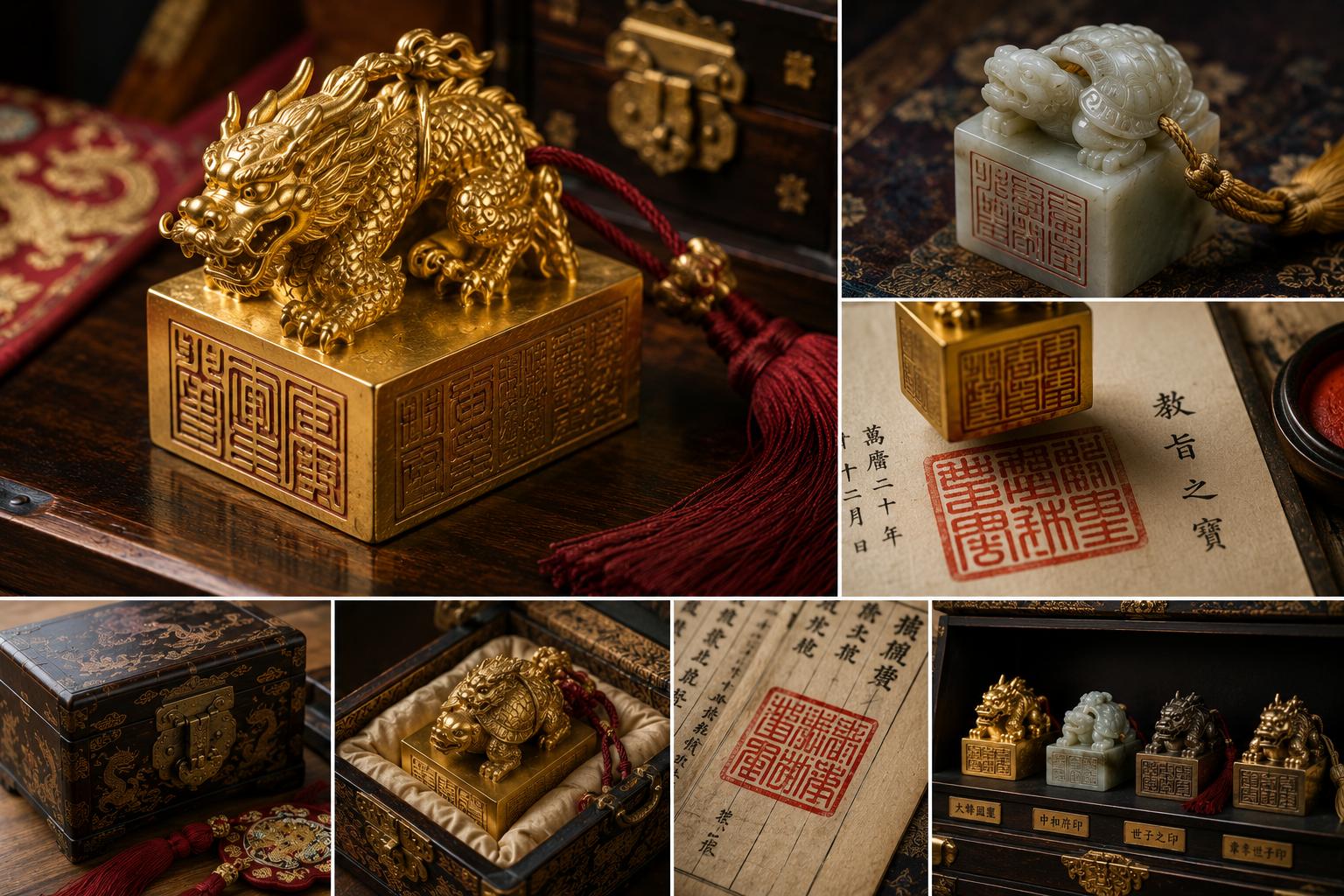
The royal seals of the Joseon Dynasty represent the authority and legitimacy of the monarchy, showcasing the pinnacle of Korean royal craftsmanship.
In This Article
The Symbolism of Royal Seals
Seals used in the Joseon Dynasty were symbols representing the authority and legitimacy of the royal family. Key examples include the guksae (state seals), which symbolized the nation, and eobo (royal seals), which contained the titles of royal family members. Unlike administrative seals used by government offices, royal seals held special significance, representing the power and legitimacy of the throne. Terms and formalities were strictly distinguished, with the character 'Bo' used for kings, queens, and royal ancestors, and 'In' used for the crown prince and others below.
Artistry in Materials and Craft
Joseon royal seals were crafted from various materials, including gold, jade, silver, and copper alloys, depending on their purpose and recipient. The handles of the seals were typically carved into the shapes of dragons, symbolizing authority, or turtles, symbolizing longevity. Completed through the delicate craftsmanship of master artisans, these seals represent the essence of royal craft. Strict regulations were applied from the production phase, indicating that the best technology of the time was utilized.
Governance and Ritual
Royal seals were created for significant national events, such as state rituals, royal investitures, and the granting of honorary titles. In particular, eobo, along with eochek (royal edicts), were considered artifacts symbolizing royal legitimacy. They were managed very strictly, stored in the eastern treasure vaults of each royal shrine at Jongmyo. Beyond being simple stamps, seals symbolized the monarchy itself and served as a key means of expressing the dignity and prestige of the nation.
Value as Cultural Heritage
The royal seals that have been handed down today are essential cultural assets for studying Korea's metalwork, jade carving, and the art of jeongak (seal engraving), which maximizes the beauty of characters. Not only the seals themselves but also the accompanying crafts, such as the seal boxes used to store them, demonstrate the splendor of Korea's royal record culture. These seals are precious historical records infused with the high-class aesthetics and governing philosophy of the Joseon Dynasty.