


Gyeongjosa: Understanding Korean Etiquette and Tipping Culture for Weddings and Funerals
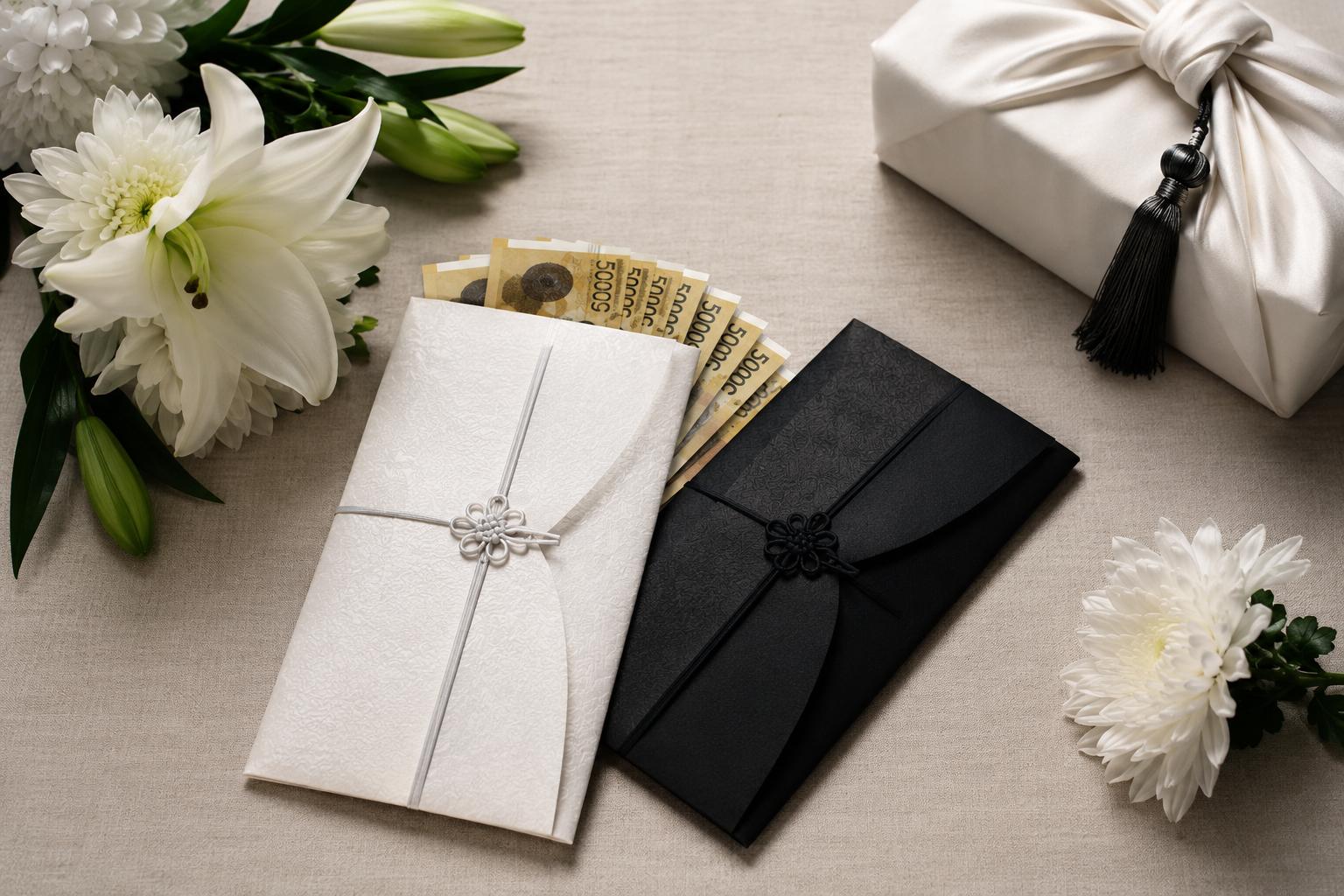
Korean etiquette surrounding weddings and funerals is a tradition of sharing joy and sorrow. Understanding the nuances of "Chuigum" (monetary gifts) is essential for maintaining social relationships.
In This Article
Understanding Monetary Gifts
In Korean society, life events such as weddings and funerals are vital social conduits for families and acquaintances to gather and confirm their bonds. Historically, Koreans have practiced "Pumasi," a tradition of mutual aid where individuals contribute to others' events, expecting reciprocity. Monetary gift amounts are not fixed by law, but there are implicit standards based on the depth of the relationship. Considering inflation and meal costs, contributions are often decided in increments of 50,000 KRW or 100,000 KRW.
- 50,000 KRW: For acquaintances, distant friends, or casual colleagues.
- 100,000 KRW: For close friends, regular colleagues, or relatives.
- 200,000 KRW or more: For very close friends or immediate family.
Tip: In the case of weddings, it is considered polite to ensure your gift covers the cost of the meal at the venue.
The Significance of Odd Numbers
A unique aspect of Korean etiquette is using "odd numbers" for monetary gifts. In traditional beliefs, odd numbers like 3, 5, 7, and 9 are considered auspicious. Thus, 50,000 KRW and 100,000 KRW (often interpreted as 5+5) are common. Conversely, the number 4 is avoided as it sounds like the word for "death" (死) in Chinese characters.
Etiquette for Participation
Beyond the monetary value, the sincerity of your heart matters most. It is customary to write your name on the envelope and, if unable to attend, express your congratulations or condolences in advance. For funerals, use a white envelope marked with characters such as "Buui" (부의) or "Geunjo" (근조). Ultimately, these gifts are meant to express respect and gratitude rather than create financial burden.