


Seokpajeong Museum of Art: Where Joseon Heritage Meets Contemporary Vision
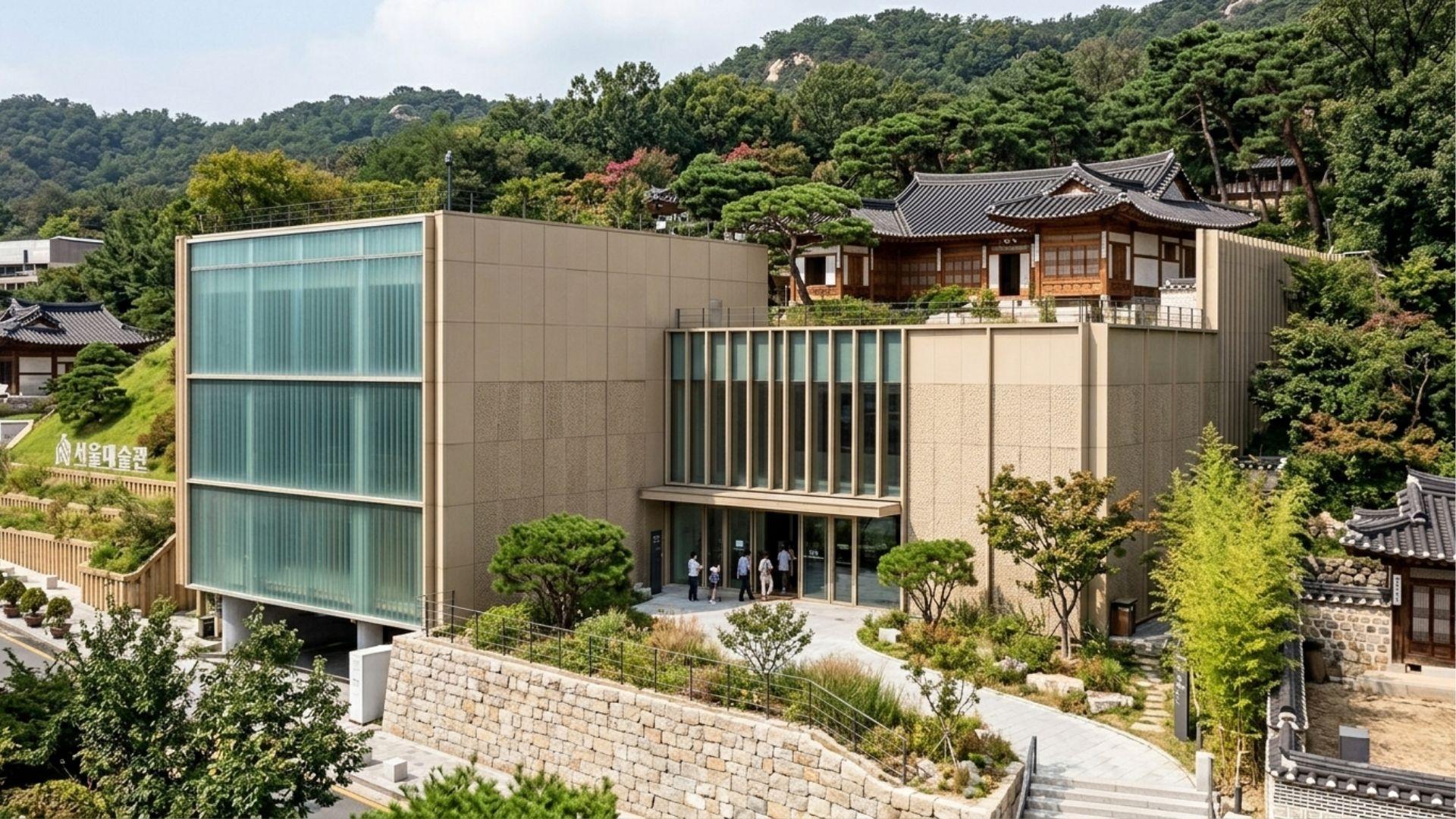
Seokpajeong Museum of Art occupies one of the most unconventional settings of any gallery in Seoul — a 19th-century Joseon villa estate tucked into the pine-covered slopes of Mount Inwang. Operated by the Gansong Art and Culture Foundation, the museum positions itself not as a white-cube institution, but as a place where contemporary art and classical Korean heritage are experienced simultaneously. Here, the exhibition space is inseparable from its surroundings: stone courtyards, wooden pavilions, and centuries-old trees are as much a part of the visit as the works on display inside.
In This Feature
A Gallery Built Into a Historic Estate
Seokpajeong Museum of Art is not a purpose-built gallery — it grew out of a historic site. The museum occupies the grounds of Seokpajeong, the designated Seoul Tangible Cultural Property that once served as the private retreat of Heungseon Daewongun during the late Joseon Dynasty. The Gansong Art and Culture Foundation, one of Korea's foremost private cultural institutions, developed the site into a functioning museum while preserving the original Hanok structures and landscape.
The result is a space that resists easy categorization. Visitors move between indoor gallery rooms and open-air courtyards, past moss-covered stone walls and centuries-old pine trees, with the granite face of Mount Inwang rising as a constant backdrop. The architecture of the estate does not recede into the background — it actively shapes how each work of art is encountered.
Contemporary Art in a Joseon Setting
The museum's curatorial approach leans into the tension between old and new rather than resolving it. Exhibitions typically feature contemporary Korean and international artists whose work enters into an unspoken dialogue with the historical surroundings. A minimalist sculpture placed beside a 200-year-old stone lantern, or an abstract painting hung within a timber-framed Hanok room — these juxtapositions are not accidental. They are the core logic of the space.
The programming changes seasonally, which means the experience shifts considerably depending on when you visit. The garden-integrated outdoor installations in particular respond to the season — spring blossoms, summer greenery, autumn foliage, and winter snow each reframe the works on display in ways no fixed indoor gallery could replicate.
Visiting Seokpajeong Museum of Art
The museum is located in the Buam-dong neighborhood of Jongno-gu, a quiet residential area known among Seoulites for its cafés, independent bookshops, and proximity to Inwangsan and Bugaksan hiking trails. It sits just a short walk from Gyeongbokgung Palace, making it a natural pairing for a day spent between heritage and contemporary culture.
Given its compact scale and garden-integrated layout, a visit typically takes one to two hours. The unhurried pace of the space encourages lingering — on a bench beneath the pines, or in a pavilion overlooking the courtyard — in a way that larger institutions rarely do. For visitors seeking something distinctly off the standard Seoul itinerary, Seokpajeong Museum of Art offers one of the city's most quietly memorable afternoons.