


Symbols of Eternity: Longevity in Korean Traditional Craft
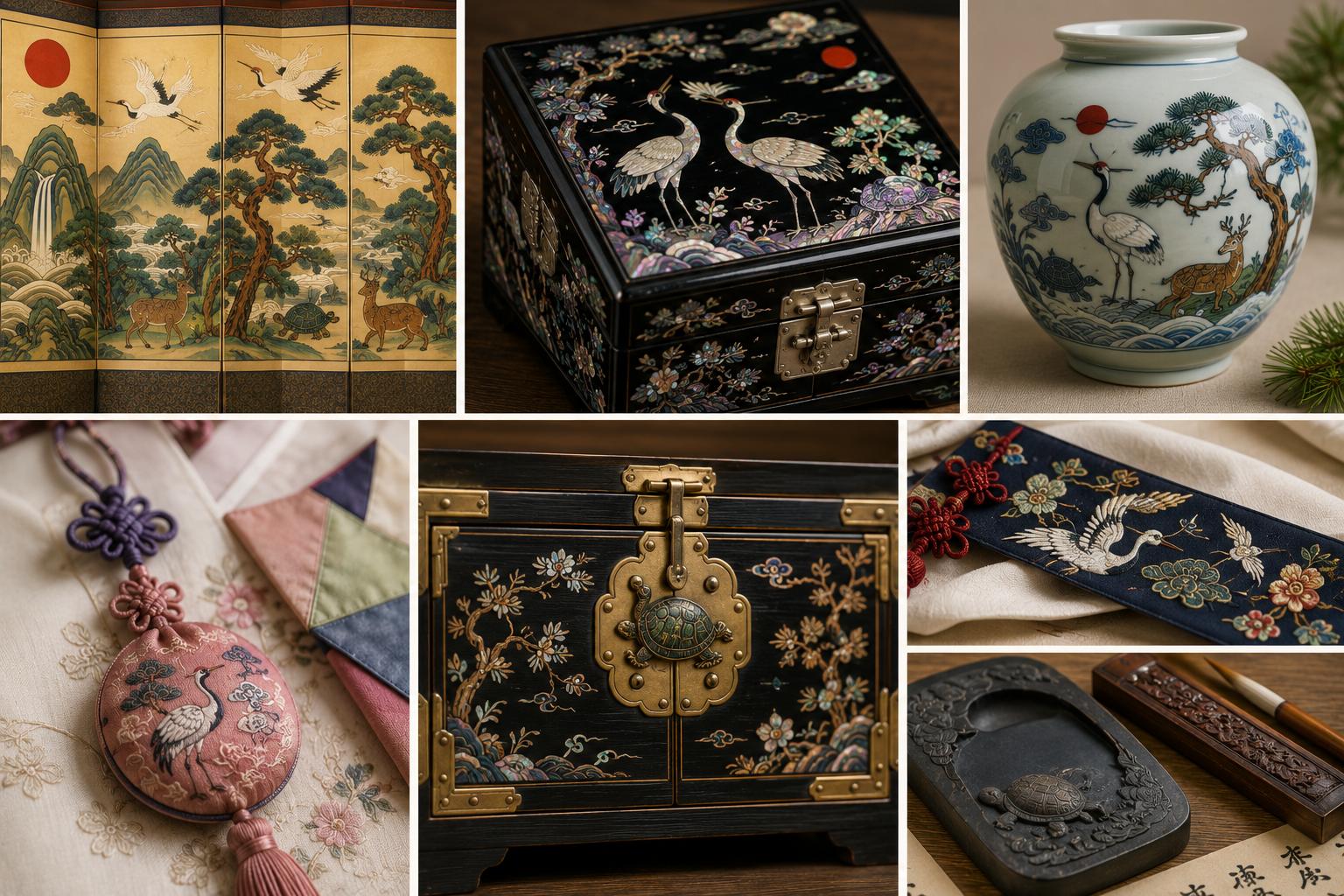
Traditional Korean crafts go beyond mere artistry, embedding deep wishes for "longevity." From the Ten Symbols of Longevity to everyday objects, we explore the aesthetics of Korean craftsmanship that celebrate eternity.
In This Article
The Meaning of Longevity
In traditional Korean culture, longevity was considered more than just living a long life; it was a profound blessing encompassing family prosperity, filial piety, and harmony with nature. This philosophy was projected onto crafts, as people incorporated patterns symbolizing nature's eternity into everyday tools to pray for a healthy and peaceful life.
Ten Symbols of Longevity
The most representative motif is the 'Sipjangsaeng'. The ten natural elements—sun, mountain, water, stone, cloud, pine, turtle, crane, deer, and the herb of eternal youth—were believed to embody longevity. These patterns were core motifs for folding screens, embroidery, and ceramics, particularly valued in 60th birthday celebrations and longevity-praying rituals.
Najeonchilgi
Najeonchilgi, lacquerware inlaid with thin mother-of-pearl, is the essence of Korean craft. It frequently features longevity symbols like pines or turtles. The lacquer itself, known for its exceptional durability and water resistance, symbolizes the unchanging nature of time, making it ideal for storage boxes.
Knots and Embroidery
Knots and embroidery on children's clothing or pillows were sincere prayers for long life. Knots symbolized fortune, longevity, and good relationships. Embroidery featuring cranes or deer expressed parental love, wishing for a child to grow up healthy and illness-free.
Everyday Objects
Scholars engraved turtle or pine motifs onto inkstones, brush holders, or furniture metal fittings. This was more than decoration; it reflected a desire for academic achievement and virtue to endure for a long time.
Modern Reinterpretation
Today, Korean craft reinterprets 'longevity' as 'sustainability' and the 'value of time.' Timeless ceramic shapes or durable wooden furniture continue the philosophy of 'eternity' from the past into contemporary lifestyles.