


Seokbinggo(석빙고): How Ancient Korea Built Refrigerators 300 Years Ago
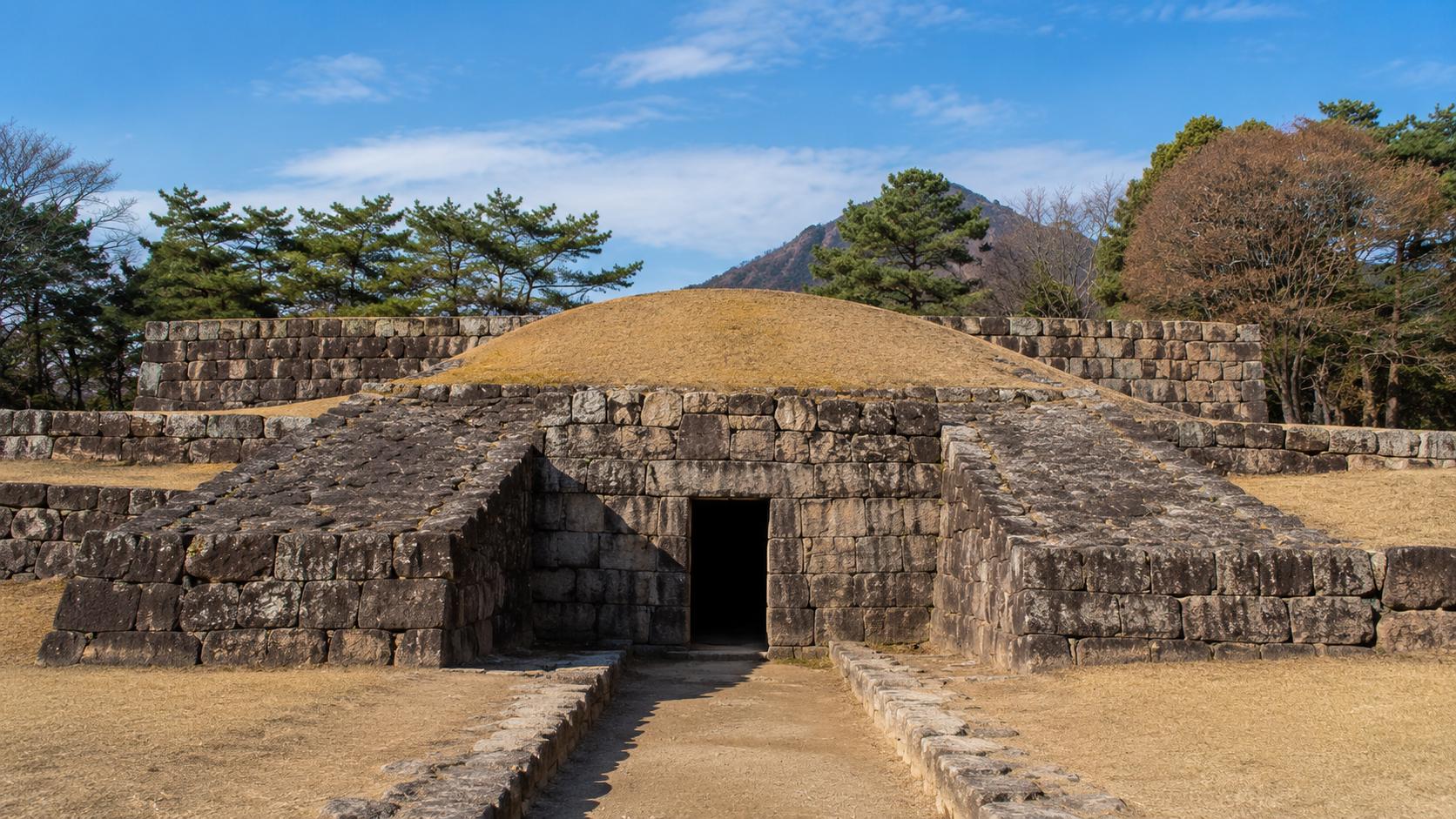
Long before refrigerators and electricity existed, Korea had already developed a remarkably clever way to preserve ice through the hottest months of summer. Hidden in the historic city of Gyeongju, Seokbinggo reveals an overlooked piece of Korean cultural heritage that demonstrates how advanced traditional Korean engineering once was.
In This Article
What Is Seokbinggo?
Seokbinggo literally translates to “stone ice storage.” It was a specially designed structure built to preserve large blocks of ice collected during winter so they could be used months later during the summer. At first glance, the structure looks simple, but it represents one of Korea’s earliest examples of practical climate-control technology developed centuries before modern refrigeration.
Built During the Joseon Dynasty
The most famous Seokbinggo standing today can be found in Gyeongju, a city often called Korea’s open-air museum because of its enormous concentration of historical landmarks. The Gyeongju Seokbinggo was constructed in 1738 during the Joseon Dynasty and was used to preserve ice for royal ceremonies, food storage, and medical purposes throughout the hottest seasons of the year.
How Koreans Stored Ice Without Electricity
During winter, large sheets of ice were cut from frozen rivers and carefully transported into the underground chamber. Because most of the structure sat below ground level, the surrounding earth naturally insulated the interior and helped maintain consistently low temperatures. This allowed ice to remain frozen for surprisingly long periods even during Korea’s humid summer months.
Ancient Engineering Behind the Structure
The true brilliance of Seokbinggo lies in its design. Small ventilation openings near the ceiling allowed warm air and moisture to escape while reducing humidity inside the chamber. The arched stone ceiling distributed structural pressure evenly, while the slightly sloped floor helped melted water drain away naturally. Every architectural detail served a clear scientific purpose despite being built nearly three hundred years ago.
Why It Still Survives in Gyeongju
Gyeongju served as one of Korea’s most historically significant cities for over a thousand years and remains home to some of the country’s most important cultural treasures. While travelers often visit famous attractions like Bulguksa Temple or ancient royal tombs, Seokbinggo quietly survives as a reminder that Korean innovation was not limited to palaces or military inventions but extended into everyday practical technology.
A Forgotten Piece of Korean Heritage
Today, Seokbinggo is recognized as an important cultural heritage site, but many international visitors pass by without understanding its significance. It represents something deeply fascinating about Korean history: long before electricity existed, people developed sustainable solutions simply by understanding architecture, airflow, and the natural environment. Sometimes the oldest technology can be the most impressive of all.