


Inside Korea’s 600-Year-Old Royal Shrine Still Preserved Today
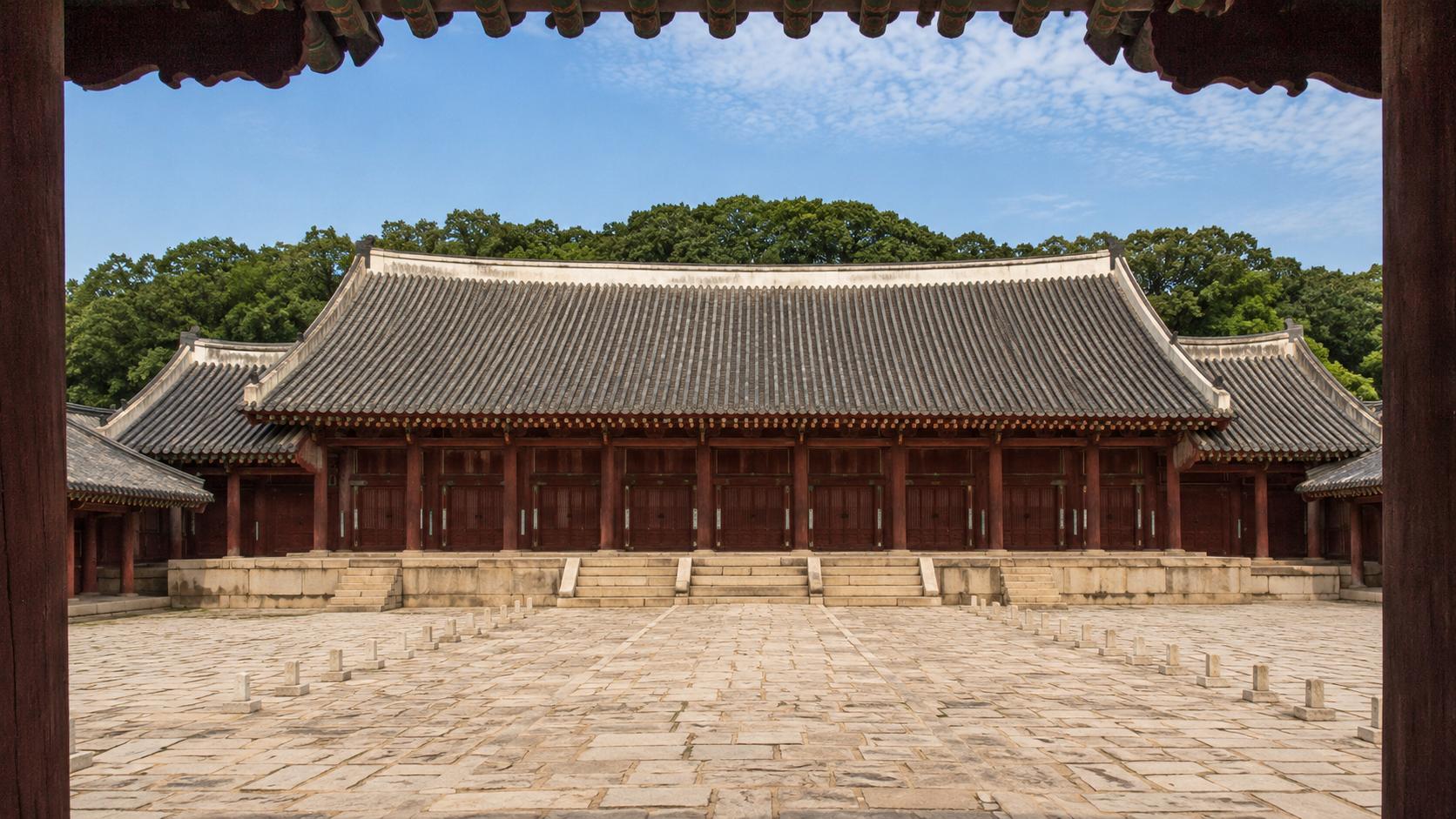
Hidden in the center of modern Seoul stands one of Korea’s most important cultural heritage sites, a place where royal rituals have been preserved for over six centuries. Jongmyo Shrine is far more than a historical landmark. It represents one of the world’s oldest continuously maintained royal ceremonial traditions and offers a rare glimpse into the spiritual foundations of Korea’s Joseon Dynasty.
In This Article
What Is Jongmyo Shrine?
Jongmyo Shrine is one of Korea’s most historically significant cultural heritage sites located in central Seoul. Built during the early Joseon Dynasty, it served as the official royal shrine where the spirits of deceased kings and queens were honored through carefully preserved state rituals. Unlike palaces built for living rulers, Jongmyo was created specifically to maintain the connection between the royal family and their ancestors.
Built for Korea’s Royal Ancestors
Construction of Jongmyo began in 1394 shortly after the founding of the Joseon Dynasty. For more than five hundred years, the shrine became one of the kingdom’s most sacred spaces, housing ancestral tablets representing generations of Korean royalty. Confucian philosophy deeply influenced Joseon society, and honoring ancestors was considered one of the most important responsibilities of the state itself.
The Ceremony Preserved for 600 Years
What makes Jongmyo especially remarkable is that its royal ceremonial tradition continues even today. The Jongmyo Jerye ceremony, performed annually, follows rituals established centuries ago and includes carefully choreographed offerings, formal processions, and traditional court music. Very few countries in the world have preserved a royal ritual tradition continuously for this length of time.
Why The Architecture Feels So Different
Visitors often notice that Jongmyo feels very different from other famous Korean landmarks. Unlike colorful palaces filled with decorative details, the shrine is strikingly simple and minimalistic. The long wooden hall known as Jeongjeon was intentionally designed without excessive ornamentation, reflecting Confucian values of discipline, respect, and solemnity rather than royal luxury.
Recognized as UNESCO Heritage
In 1995, Jongmyo Shrine was officially designated as a UNESCO World Cultural Heritage Site because of its exceptional historical significance and remarkable preservation. In addition to the physical structure itself, the ritual ceremony performed there and the traditional ceremonial music known as Jongmyo Jeryeak have also been recognized internationally as important examples of living intangible heritage.
A Living Piece of Korean Tradition
Unlike many historical sites that exist only as monuments to the past, Jongmyo remains deeply connected to traditions still practiced in modern Korea. It tells a fascinating story about how Korean society once viewed family, loyalty, spirituality, and state responsibility. In a rapidly modernizing city filled with skyscrapers, Jongmyo quietly preserves one of the oldest traditions still actively maintained anywhere in the world.