


How Korea’s Old Fishing Port Became a Favorite Destination for Young Travelers
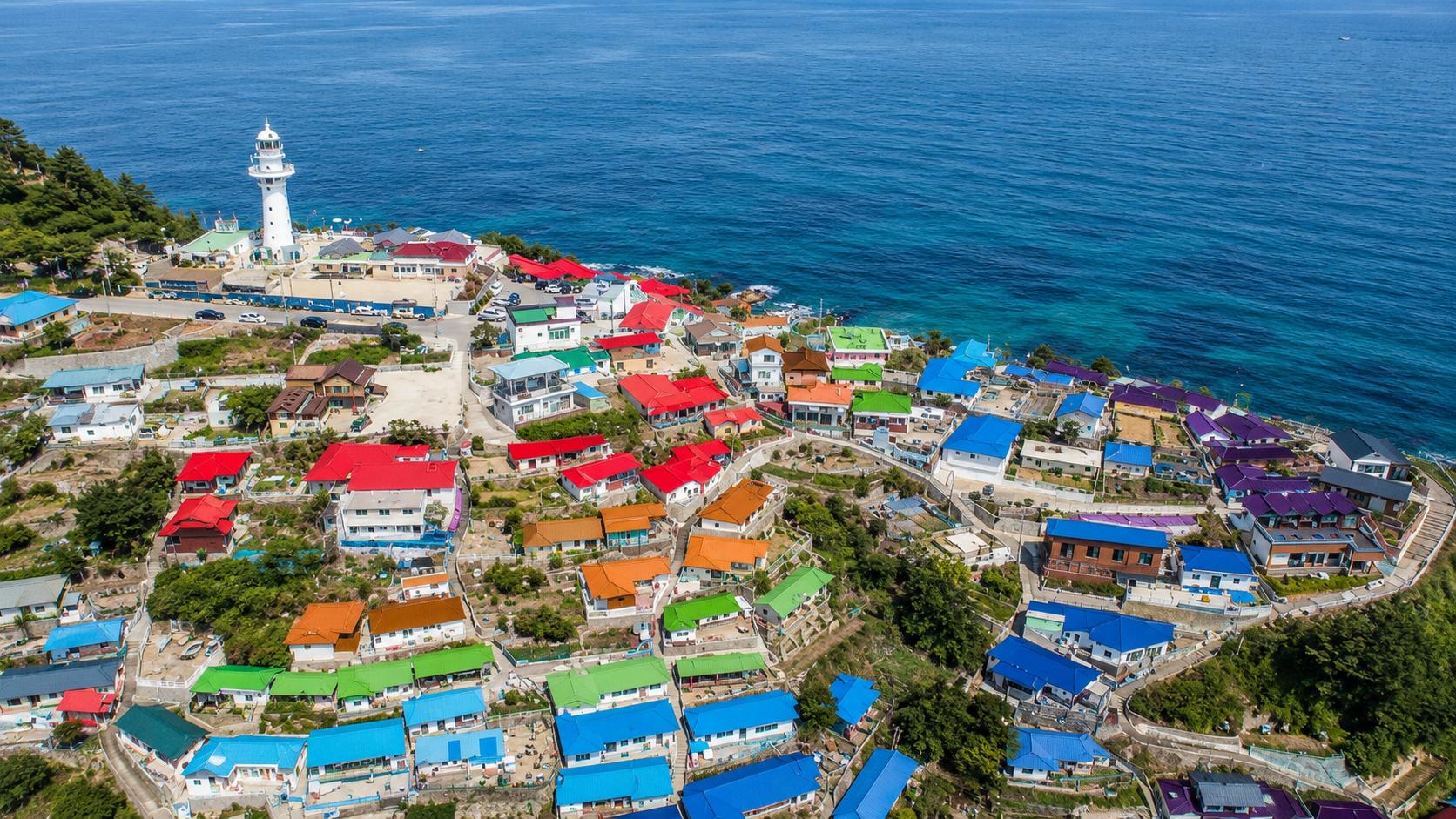
Along Korea’s eastern coastline sits a quiet harbor town that most international travelers have never heard of. Once known primarily as an industrial fishing port, Mukho has recently become one of Korea’s unexpected travel destinations as younger visitors begin rediscovering its old seaside neighborhoods, dramatic ocean views, and nostalgic atmosphere that feels completely different from the country’s better-known beach cities.
In This Article
What Is Mukho?
Mukho is a historic port district located in Donghae City on Korea’s eastern coast. Unlike famous tourist destinations such as Busan or Gangneung, Mukho remained largely overlooked for decades. Traditionally known for fishing activity and industrial shipping, the area is now slowly attracting a new generation of visitors interested in quieter coastal destinations with authentic local character.
A Port Built During Korea’s Industrial Era
Mukho Port officially opened in 1937 and quickly developed into one of Korea’s important eastern harbors. For much of the twentieth century, the port played a major role in transporting coal, seafood, and industrial goods throughout the region. While other coastal cities modernized around tourism, Mukho largely preserved its older working harbor identity, giving the area a distinctly different atmosphere compared to Korea’s polished resort destinations.
The Hillside Town Facing the East Sea
One of Mukho’s most recognizable features is its steep hillside neighborhoods built above the harbor. Narrow stairways, tightly packed homes, and elevated viewpoints overlooking the East Sea create a dramatic landscape unlike many other Korean cities. Places such as Mukho Lighthouse Park and the nearby hillside village known as Nongoldam-gil have become popular for visitors searching for slower, more atmospheric travel experiences.
Why Young Travelers Are Suddenly Visiting
In recent years, younger Korean travelers have begun searching for destinations that feel less commercial and more authentic than the country’s traditional tourist hotspots. Social media exposure, travel programs, and word-of-mouth recommendations have helped introduce Mukho to people looking for quiet ocean views, retro neighborhoods, seafood markets, and destinations that still feel largely undiscovered compared to mainstream coastal cities.
How Old Streets Became Cultural Spaces
Rather than replacing its older neighborhoods through redevelopment, parts of Mukho have gradually transformed by embracing what already existed. Old alleyways, weathered staircases, small local cafes, murals, and restored public spaces have turned parts of the district into cultural spaces while preserving much of the town’s original character. This has allowed Mukho to attract visitors without losing the identity built over generations.
Korea’s Quiet Coastal Revival
Mukho represents an interesting shift happening across Korea, where younger generations increasingly value overlooked destinations with history and authenticity rather than highly developed tourist zones. Once simply known as an aging fishing port, Mukho is gradually becoming one of Korea’s most fascinating examples of how forgotten places can quietly reinvent themselves while preserving the stories that shaped them in the first place.