


The Sonic Evolution of K-Pop: How Modern Tracks Are Built for the Algorithmic Age
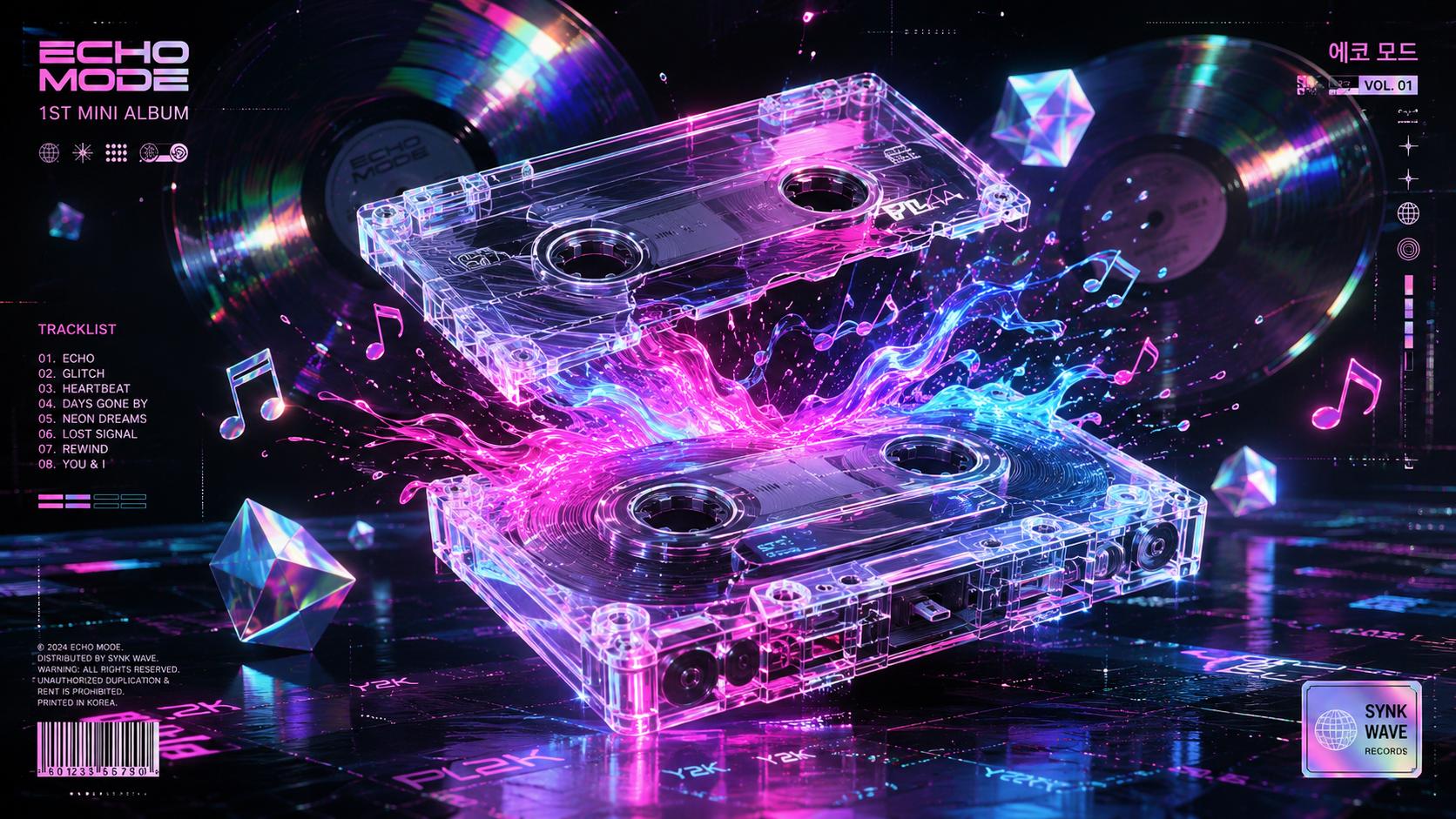
The K-pop music landscape is undergoing a massive shift. Shorter track lengths, bite-sized hooks for short-form video platforms, and genre-bending sonic experiments are redefining the global music industry.
In This Article
The Sonic Evolution of K-Pop: How Modern Tracks Are Built for the Algorithmic Age
When people think of K-pop, they often picture elaborate concepts, high-energy synchronized choreography, and dramatic, multi-part song structures. Historically, a classic K-pop song was a grand production, complete with a dramatic bridge and a soaring high note.
However, listeners today are noticing a drastic shift in the actual architecture of the music. Instead of grand, theatrical structures, modern K-pop tracks are becoming leaner, faster, and hyper-focused on immediate satisfaction.
In the modern music market, a song is no longer just an audio track—it is an engine for digital engagement. To thrive in an era dominated by scrolling, K-pop producers are rewriting the rules of songwriting, making the music more compact yet incredibly addictive.
What makes this evolution so fascinating is how seamlessly the industry has adapted. Major labels are no longer just producing music for radio or concerts; they are engineering tracks specifically designed to viralize across global algorithms.
The Death of the 3-Minute Track: The Rise of Micro-Pop
In reality, the most noticeable change in modern K-pop is the song duration. The traditional three-to-four-minute pop song is rapidly disappearing, replaced by "micro-pop" tracks that barely cross the two-minute mark.
Producers are aggressively cutting out the fat. Long intros, repetitive outro choruses, and even the traditional dramatic vocal bridge are frequently being left on the cutting room floor.
When a song is shorter, the listener's experience changes completely.
Instead of building up suspense, the track dives straight into the main melody. The moment the song ends, it leaves the listener wanting more, naturally driving up repeat streams on platforms like Spotify and Apple Music.
This hyper-efficiency is a deliberate design choice to maximize streaming numbers and fit the dwindling attention spans of the digital age.
Crafting the Perfect 'TikTok Hook'
A modern K-pop song is no longer just evaluated by its chorus. Depending on its catchiness and danceability, a specific 15-second snippet of the song can determine its entire global success.
Tracks are now meticulously engineered to feature a distinct, highly addictive "challenge section."
* Onomatopoeic hooks: simple, repetitive words that cross language barriers
* Minimalist basslines: leaving acoustic space for clean, punchy smartphone playback
* Instant gratification: placing the catchy hook within the first 30 seconds
* Audio-visual synergy: beats that perfectly match point choreography
This strategy is not merely about making a good song; it is about creating a "moving visual effect" through sound. By embedding a perfect audio loop into the track, K-pop acts ensure that millions of fans can easily replicate the song's key vibe in short-form videos.
In this sense, the music itself has become a modular tool for content creation, engineered to catch the eye and the ear in an instant.
A Genreless Future: Blending Beats Beyond Boundaries
While songs are getting shorter, they are also becoming more structurally experimental. Modern K-pop has completely broken down traditional genre boundaries, creating a hyper-hybrid sound.
Within a single two-minute track, it is now common to hear UK Garage beats seamlessly shift into Jersey Club, drum and bass, or nostalgic Y2K R&B.
Without sticking to a single genre, these quick sonic shifts keep the listener constantly engaged, providing a fresh burst of dopamine with every section. K-pop's ultimate strength lies in this ability to take global underground music trends and package them into sleek, mainstream pop perfection.