


Why Koreans Ask "Have You Eaten?" Instead of "How Are You?"
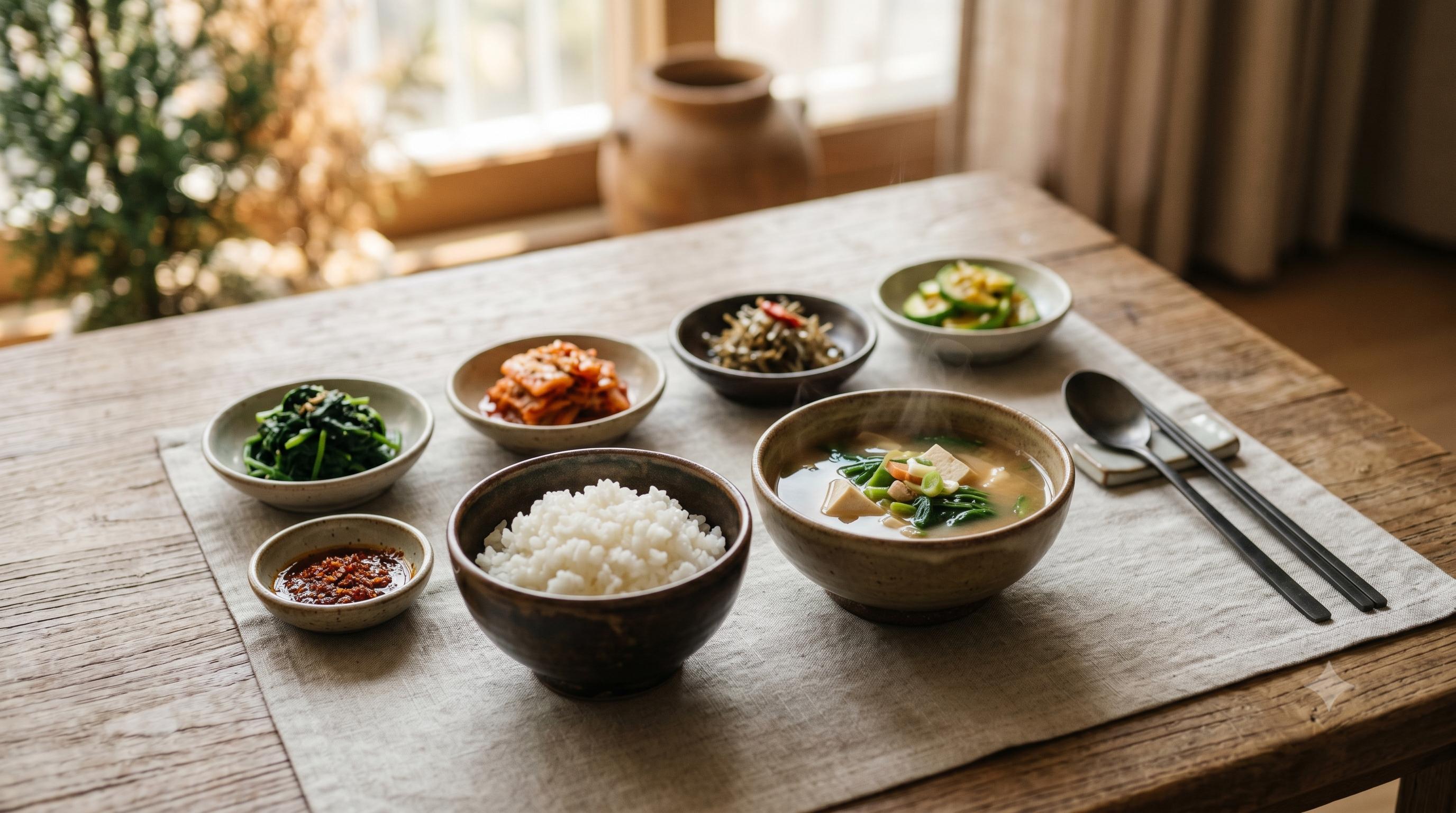
In Korea, someone may ask, “밥 먹었어?” — literally, “Did you eat?” To many foreigners, the question can sound unusually specific for a greeting.
In This Article
A Greeting That Sounds Like a Question
In Korea, someone may ask, “밥 먹었어?” — literally, “Did you eat?” To many foreigners, the question can sound unusually specific for a greeting.
In most situations, however, the phrase is not really about food. It functions closer to “How are you?” than an actual inquiry about a meal.
The question usually does not require a detailed answer. Often, it simply signals familiarity, warmth, or casual concern.
Why Food Became a Form of Care
In Korean, the word “밥” does not only mean rice or a meal. It can also represent daily life itself.
Eating properly is closely associated with living properly. Skipping meals may suggest stress, exhaustion, loneliness, or neglect. Because of that cultural association, asking whether someone has eaten carries emotional meaning even when spoken casually.
Without directly saying “I was worried about you” or “Take care of yourself,” the phrase can quietly communicate both ideas at once.
The Historical Memory Behind the Phrase
The phrase also reflects Korea’s modern history. Throughout much of the 20th century, food insecurity was a real part of everyday life for many Korean families.
Seasonal shortages known as “Bori Gogae” repeatedly occurred before agricultural production stabilized in the 1970s. During that period, asking whether someone had eaten was not symbolic or polite small talk. It could be a literal question about whether that person had enough food to get through the day.
Over time, Korea’s economic conditions changed. The urgency faded, but the emotional habit remained embedded in everyday speech.
What Koreans Actually Mean
Today, the meaning changes depending on context and relationship.
Around lunchtime, the phrase may simply mean, “Did you have lunch yet?” From parents, it may carry the meaning, “Are you taking care of yourself properly?” Between friends, it can even function as an indirect invitation to eat together.
Korean communication often avoids direct emotional language. Instead of openly saying “I missed you” or “I was concerned,” people may ask about food instead.
That is why the phrase feels distinctly Korean: practical on the surface, emotional underneath.
Why Foreigners Misread It — and How to Respond
Foreigners often interpret the sentence literally and respond with more detail than expected.
In reality, short answers are usually enough. “네, 먹었어요” (“Yes, I ate”) or “아직이요” (“Not yet”) are perfectly natural responses.
The important part is rarely the meal itself. The important part is the social signal behind the question.
In English, “How are you?” does not normally require a full emotional explanation. In Korean, “Have you eaten?” often works the same way — one of the quietest and most indirect ways to say, “I care whether you are okay.”