Editorial Feed

Series

A collection of recurring content focused on Korean culture and trends, grouped by a consistent theme to explore topics in depth over multiple articles.

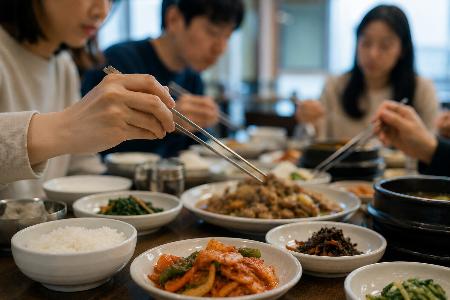
Using Chopsticks: Why Is It Such a Difficult Task for Us?

Using Chopsticks: Why Is It Such a Difficult Task for Us?

For Koreans, using chopsticks is more than just a way to eat; it is often perceived as a social standard. However, once ...
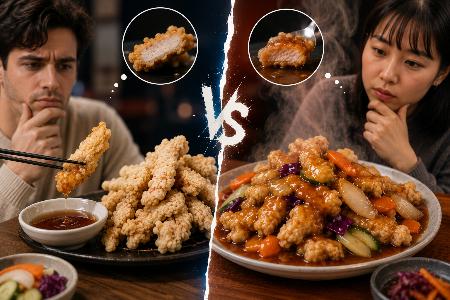
The Psychology of 'Jjik-meok' vs. 'Bu-meok': Crispiness or Flavor Harmony?

The Psychology of 'Jjik-meok' vs. 'Bu-meok': Crispiness or Flavor Harmony?

The debate over "Jjim-meok" (dipping) and "Bu-meok" (pouring) for Korean sweet and sour pork, Tangsuyuk, is a fascinatin...
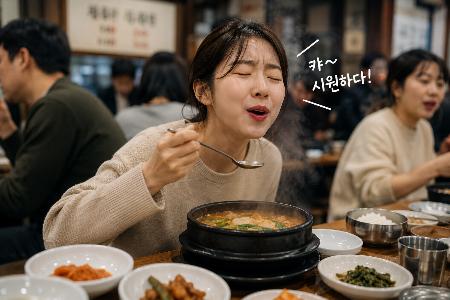
Why Do Koreans Say "It’s Refreshing" When It’s Hot? Understanding the Social Implications of Korea’s

Why Do Koreans Say "It’s Refreshing" When It’s Hot? Understanding the Social Implications of Korea’s

For Koreans, "Siwonhada" (refreshing) is more than just a temperature-related word. Through hot soup, it captures a uniq...
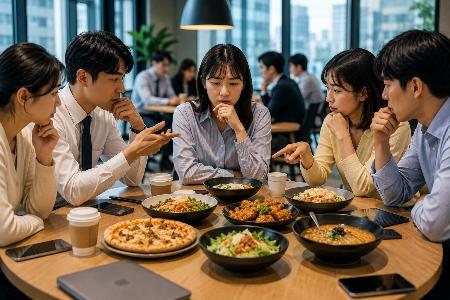
Is It a Digital Nomad Paradise or a Distortion of Cafes? An Analysis of Korea’s 'Ka-gong-jok' Phenom

Is It a Digital Nomad Paradise or a Distortion of Cafes? An Analysis of Korea’s 'Ka-gong-jok' Phenom

South Korea's "Kagong" (study-at-cafe) culture is a social phenomenon born from high-speed digital infrastructure and a ...
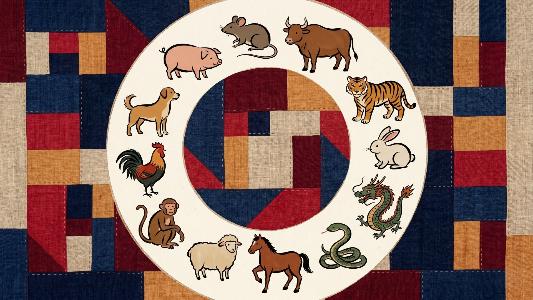
Why Koreans Ask Your TTI (띠) Instead of Your Age

Why Koreans Ask Your TTI (띠) Instead of Your Age

In Korea, one of the first questions you may hear after meeting someone is unexpectedly simple: “What is your TTI (띠)?” ...
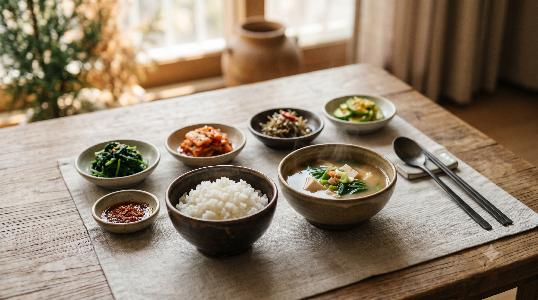
Why Koreans Ask "Have You Eaten?" Instead of "How Are You?"

Why Koreans Ask "Have You Eaten?" Instead of "How Are You?"

In Korea, someone may ask, “밥 먹었어?” — literally, “Did you eat?” To many foreigners, the question can sound unusually spe...
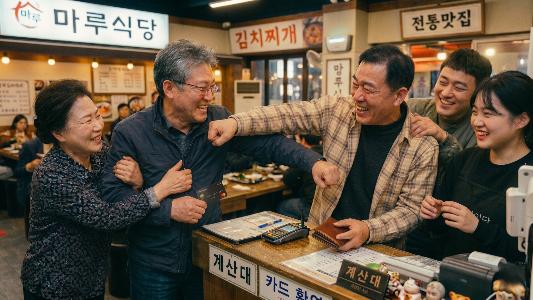
Why Koreans Fight Over the Bill After Every Meal

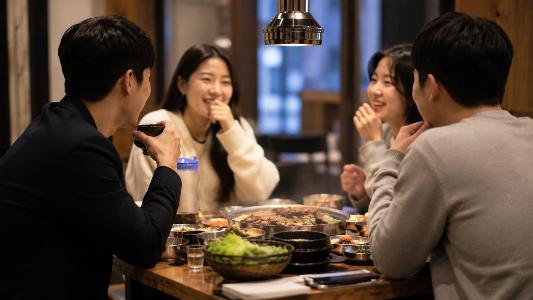
Why Koreans Fight Over the Bill After Every Meal

Walk into any Korean restaurant after a meal ends, and you will likely witness a small but intense confrontation near th...
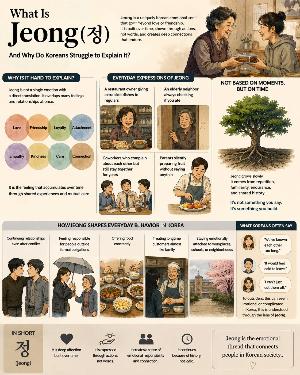
Jeong(정): The Korean Concept That Takes More Than a Word

Jeong(정): The Korean Concept That Takes More Than a Word

When foreigners first ask Koreans what "정(jeong)" means, the answers tend to follow a pattern: "It's kind of like affect...
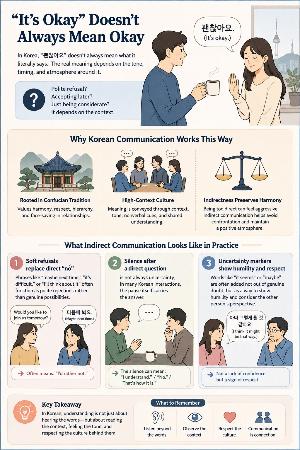
Why Koreans Don't Say Things Directly: The Hidden Meaning Behind

Why Koreans Don't Say Things Directly: The Hidden Meaning Behind

One of the most frequently reported moments of confusion among foreigners in Korea involves a single phrase: “괜찮아요.In Th...
Dating in Korea

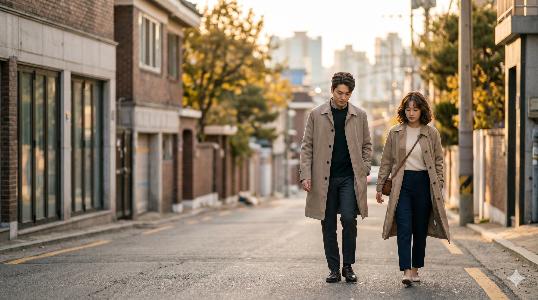
Dating in Korea

Korean dating runs on signals, not statements — two days of silence on KakaoTalk is a message, the 100-day milestone is ...
Nunchi(눈치) in Korean Work Culture

Nunchi(눈치) in Korean Work Culture

In Korean workplaces, nobody tells you to stay late — but everyone watches when the boss leaves, nobody moves until he d...
What Is Nunchi(눈치)?

What Is Nunchi(눈치)?

Nunchi is the Korean social skill of reading a room without being told what to read — the invisible layer underneath mos...
Showing 12 stories.