Editorial Feed

Series

A collection of recurring content focused on Korean culture and trends, grouped by a consistent theme to explore topics in depth over multiple articles.

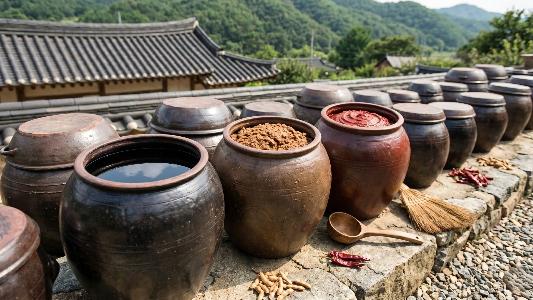
[Fermentation Science] Pairing Ingredients with Korean Aged Soy Sauce

[Fermentation Science] Pairing Ingredients with Korean Aged Soy Sauce

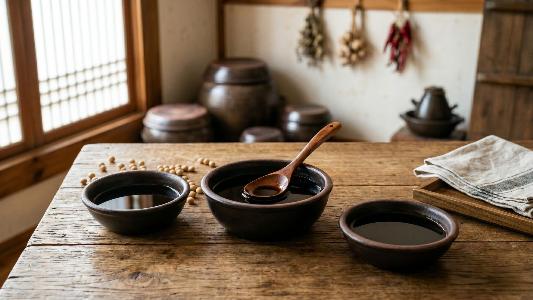
In the culture of Korean Jang (fermented sauces), soy sauce is a masterpiece crafted by time. Understanding how color an...
Why Korean Refrigerators Have a Kimchi Mode

Why Korean Refrigerators Have a Kimchi Mode

Refrigerators sold in South Korea often include a feature foreigners rarely expect to see: In many Korean households…In ...
MAKGEOLLI(막걸리): From Farmers' Drink to Global Fermented Alcohol

MAKGEOLLI(막걸리): From Farmers' Drink to Global Fermented Alcohol

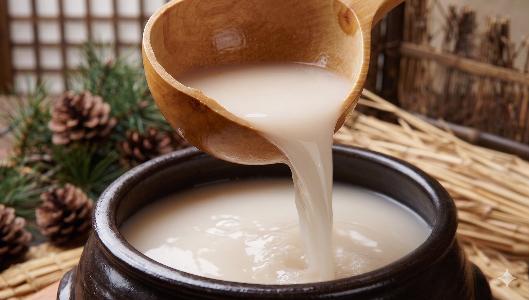
MAKGEOLLI (막걸리) is a traditional Korean fermented rice alcohol made from rice, water, NURUK (누룩, Korean fermentation sta...
MYEOLCHI-AEKJEOT (멸치액젓): Korea’s Essential Anchovy Sauce

MYEOLCHI-AEKJEOT (멸치액젓): Korea’s Essential Anchovy Sauce

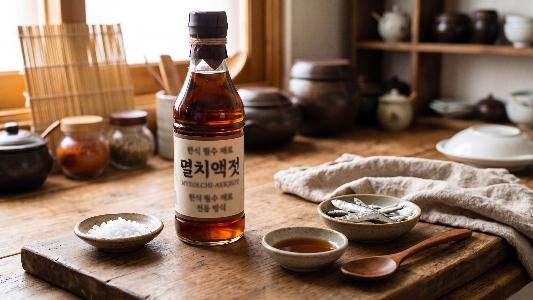
Myeolchi-aekjeot is fermented anchovy sauce aged for one to two years — it smells assertive raw but disappears completel...
SAEUJEOT (새우젓): The Fermented Shrimp Inside Your Kimchi

SAEUJEOT (새우젓): The Fermented Shrimp Inside Your Kimchi

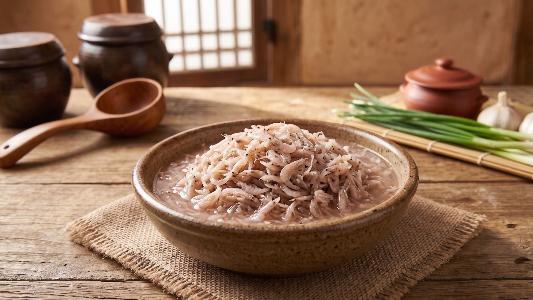
Saeujeot is the fermented salted shrimp inside most traditional kimchi that nobody mentions — it contributes salt, umami...
JEOTGAL (젓갈): Korea's Forgotten Fermentation

JEOTGAL (젓갈): Korea's Forgotten Fermentation

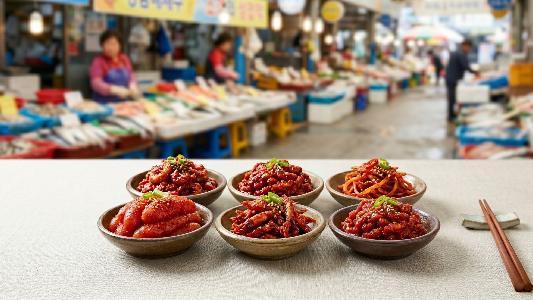
Jeotgal is fermented salted seafood that most people eat inside kimchi without knowing it — the hidden flavor engine beh...
CHEONGGUKJANG (청국장): The 2-Day Fermentation That Smells Stronger Than It Tastes

CHEONGGUKJANG (청국장): The 2-Day Fermentation That Smells Stronger Than It Tastes

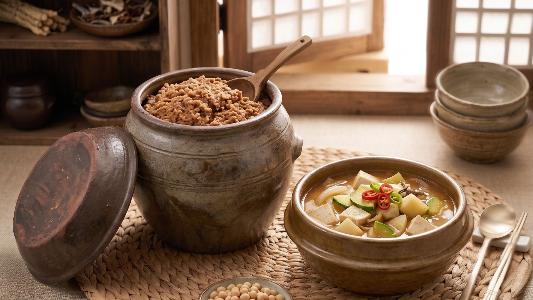
Cheonggukjang is a fermented soybean paste that takes two to three days instead of months — no salt, no mold, just cooke...
Gochujang (고추장): The Ingredient That Turned Korean Food Red

Gochujang (고추장): The Ingredient That Turned Korean Food Red

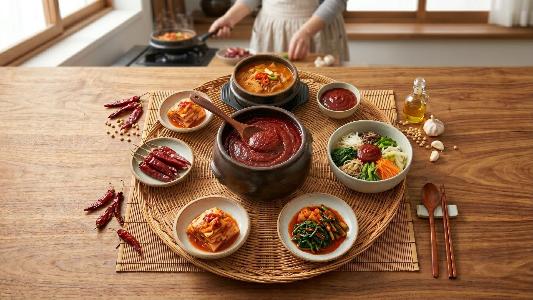
Korean food was not always red — chili peppers arrived only around the 1590s, and gochujang is fermented with glutinous ...
GANJANG (간장): Why Korean Soy Sauce Is So Different

GANJANG (간장): Why Korean Soy Sauce Is So Different

Ganjang is the liquid that separates from doenjang during the same fermentation process — Korea has two entirely differe...
DOENJANG (된장): Korea’s Fermented Paste That Tastes Like Home

DOENJANG (된장): Korea’s Fermented Paste That Tastes Like Home

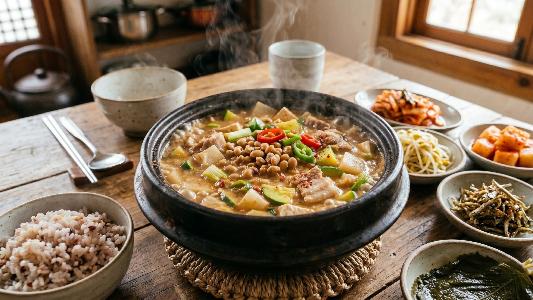
Doenjang is a fermented soybean paste made from wild microorganisms with no added grain or starter culture — it smells c...
JANG (장): The Three Fermented Pastes Behind Korean Cooking

JANG (장): The Three Fermented Pastes Behind Korean Cooking

Doenjang, ganjang, and gochujang are the three fermented pastes that have underpinned Korean cooking for over 2,000 year...
All stories loaded.