


Sweet First Impression: The Tradition of Sharing "이사 떡 (Isa-tteok)"
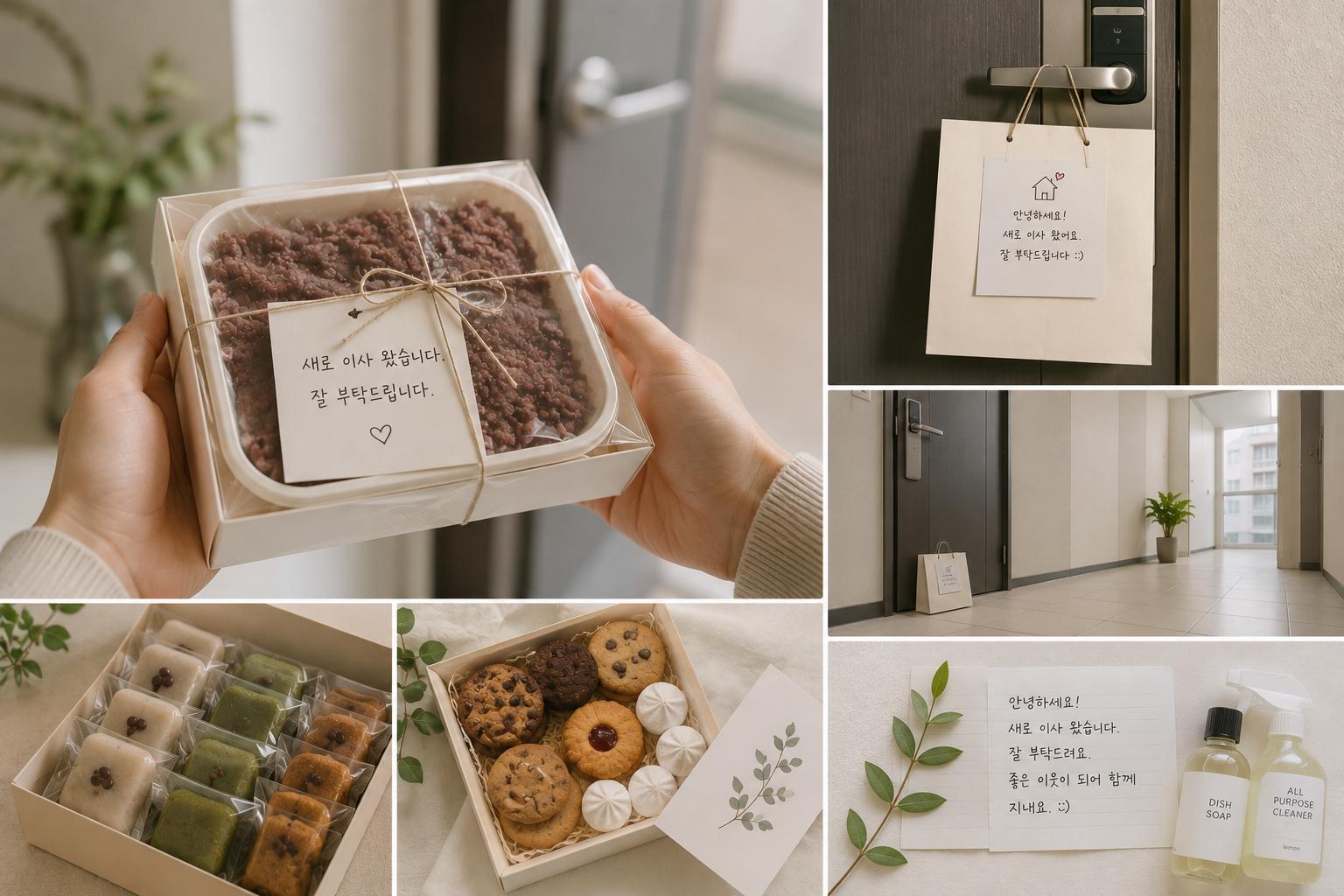
When you move into a new home in Korea, the first thing you might do before unpacking is prepare a tray of rice cakes for your neighbors. This practice, known as "Isa Tteok" (이사 떡), is one of Korea's most enduring social rituals—a warm, edible introduction that carries centuries of communal wisdom.
In This Article
Why Red Bean Rice Cake?
The most iconic form of Isa Tteok is the pat-sirutteok (팥시루떡)—a steamed rice cake generously topped with red bean powder. Its prominence is not accidental; it reflects two distinct layers of meaning rooted in Korean tradition.
First, the color red has long held protective significance in Korean culture. Red was believed to ward off negative energy, malevolent spirits, and misfortune. Offering red bean rice cake at the start of life in a new home was a way of blessing the household and wishing for its prosperity.
Second, there is a practical dimension. Moving house in pre-modern Korea was a communal effort involving the entire neighborhood. After a full day of heavy physical labor, a dense, calorie-rich food made from rice and red beans was the most fitting way to restore energy and share gratitude with those who helped.
A Modern Makeover: From Sirutteok to Roll Cakes
As Korean housing shifted toward high-rise apartments and mixed-use complexes, the Isa Tteok tradition has adapted alongside it. Rather than presenting a large freshly steamed sirutteok, many people today prefer individually wrapped rice cake pieces—such as kkultteok (꿀떡) or baeksulgi (백설기)—that are easier for neighbors to store and enjoy at their own pace.
Among younger generations, the rice cake itself has sometimes been replaced entirely. Cookie sets, roll cakes, mixed nuts, or artisan jams have become popular alternatives that reflect a more contemporary sensibility while preserving the spirit of the gesture.
In some cases—particularly when moving into units above or beside other residents—people opt for practical household items such as dish soap or garbage bags. These are often accompanied by a short handwritten note acknowledging that noise may occur and politely asking for the neighbor's understanding.
The Social Economics of Isa Tteok
Beyond its cultural symbolism, Isa Tteok functions as a low-cost, high-impact social buffer in modern urban life. Delivering a small gift before any conflict arises has a measurable effect on how neighbors perceive and respond to the inevitable inconveniences of shared living.
- Noise tolerance: The moving-day noise of furniture being dragged across floors, or the day-to-day sounds of family life, tends to be received more generously by neighbors who have already been greeted warmly.
- Breaking anonymity: In dense urban apartment complexes, Isa Tteok transforms an unknown face into a recognizable neighbor—creating a small but meaningful safety net within the building community.
- Preemptive goodwill: By making the first move with courtesy, new residents can defuse potential misunderstandings before they have a chance to develop.
Modern Etiquette Tips
It is worth acknowledging that not everyone welcomes an unannounced knock at the door. In an era where privacy is increasingly valued, some residents may feel uncomfortable receiving visitors they do not know.
A considerate alternative is to place a small gift bag on the neighbor's door handle—along with a brief sticky note introducing yourself and expressing goodwill. This approach respects personal boundaries while still conveying the warmth and intention behind the tradition.