


Why Koreans Ask Your TTI (띠) Instead of Your Age
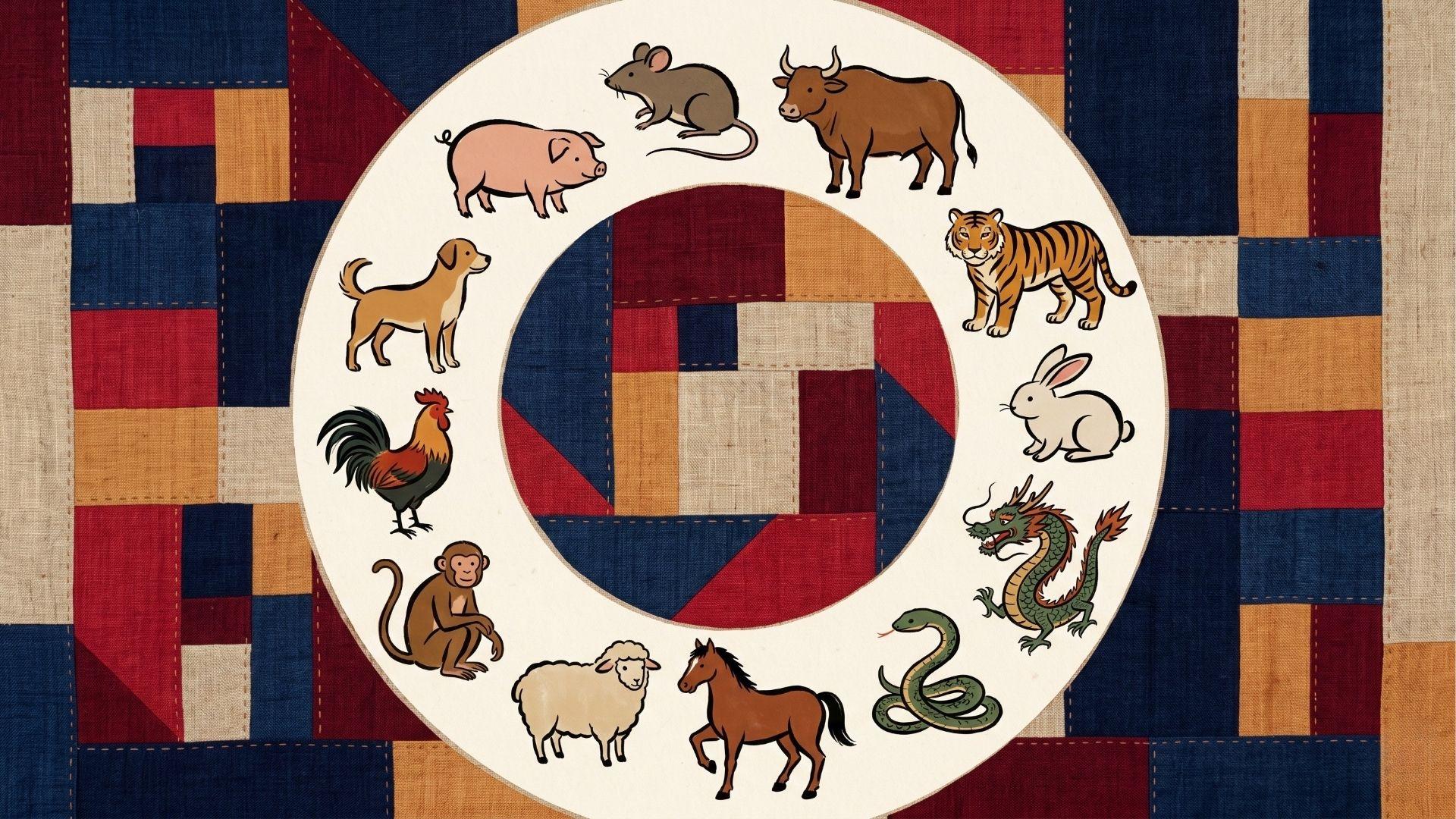
In Korea, one of the first questions you may hear after meeting someone is unexpectedly simple: “What is your TTI (띠)?” To many foreigners, it sounds like casual astrology talk.
In This Article
In Korea, one of the first questions you may hear after meeting someone is unexpectedly simple: “What is your TTI (띠)?” To many foreigners, it sounds like casual astrology talk. In reality, it is often a polite way of figuring out your age without asking directly.
The Question That Surprises Every Foreigner
You just met someone at a Korean dinner table. Within five minutes, they lean over and ask your TTI (띠). In most countries, that would sound like harmless small talk about astrology. In Korea, however, it often serves a social purpose.
The question feels casual and light, but it helps people quickly understand how to speak to each other. Age affects language, tone, and social expectations in Korean culture, so figuring it out early helps conversations flow more naturally.
Why Age Matters in Korean
Korean is not like English. Every sentence you speak to another person carries a built-in age signal. The verb endings you choose, the pronouns you use, and even the way you say “yes” can change depending on whether the other person is older, younger, or the same age as you.
Before a conversation can feel natural, Koreans usually need to understand where each person stands on the age ladder.
Asking directly can feel blunt. Asking for someone’s exact birth year can feel intrusive, especially toward someone older. So over time, Koreans developed softer ways to gather that information. Asking about someone’s TTI (띠) became one of them.
The Zodiac Becomes a Social Tool
Korea follows the East Asian twelve-year zodiac cycle, where each year is represented by an animal. In Korean, these zodiac animals are called TTI (띠).
When a Korean asks for your TTI (띠), they are usually not asking about fortune-telling or personality traits. Instead, they are narrowing down your birth year into a twelve-year range, then using context and appearance to estimate your age more accurately.
The process happens quickly and feels completely natural to people who grew up in Korea. To foreigners, however, it can sometimes feel like a quiet form of social assessment. In many ways, that is exactly what it is — though not in a hostile way.
Indirect, But Not Rude
Foreigners are sometimes surprised by how quickly age enters Korean conversations. The question can feel direct, especially because age influences the entire tone of the relationship moving forward.
But asking about someone’s TTI (띠) is actually considered the softer and more considerate approach. Asking for a zodiac animal instead of a birth year gives people a small layer of privacy while still allowing the social structure of the conversation to function naturally.
The question is usually less about curiosity than social navigation.
The 12-Year Gap That Keeps Things Interesting
There is a funny social moment in Korea when two people realize they share the same TTI (띠) but are actually twelve years apart. The realization often creates a brief sense of connection before the age gap suddenly becomes obvious again.
Sharing the same zodiac animal can create an unexpected feeling of familiarity, even across generations.
Koreans call people of the exact same age DONGGAP (동갑). Discovering someone who is truly your age often creates immediate closeness and comfort. In Korea, finding your DONGGAP (동갑) can instantly change the atmosphere of a conversation.
A Window Into How Korean Relationships Work
The TTI (띠) question is not really about astrology. It reflects the invisible structure behind Korean social relationships.
In Korea, age influences hierarchy, hierarchy influences language, and language influences intimacy. Asking about someone’s zodiac animal is simply one of the gentlest ways Koreans establish social positioning with a stranger.
Once you understand that, many other parts of Korean culture start to make more sense. The question is not deeply personal. It is practical. And the fact that Koreans often approach the subject indirectly — through zodiac animals rather than raw numbers — says a lot about the importance of social sensitivity in Korean communication.