


Using Chopsticks: Why Is It Such a Difficult Task for Us?
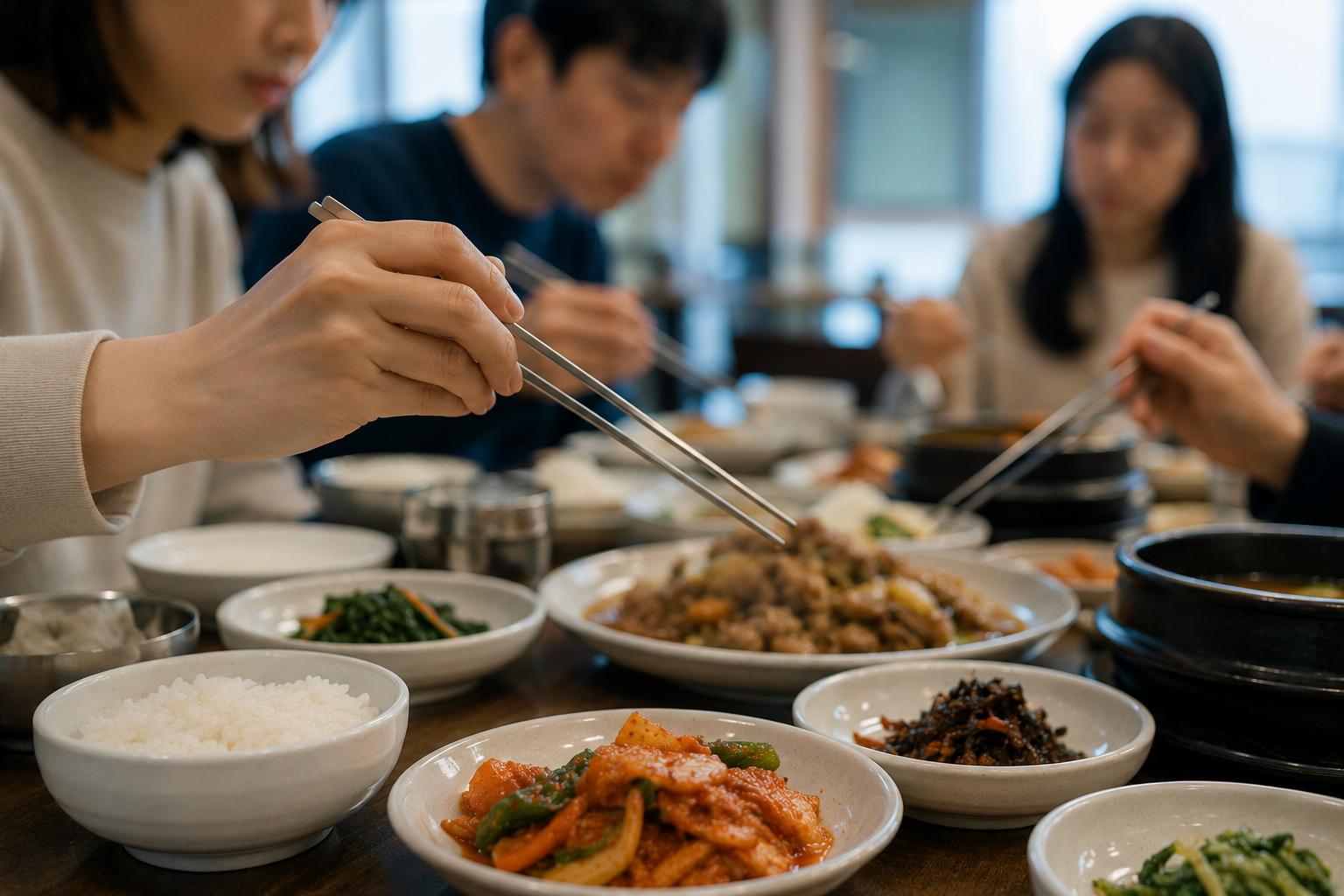
For Koreans, using chopsticks is more than just a way to eat; it is often perceived as a social standard. However, once that pressure is set aside, the true nature of Korean food culture emerges.
In This Article
Silent Judgment at the Table
When sitting down for a meal in Korea, you may occasionally notice someone carefully observing how others use their chopsticks. Then, they might remark, "What’s wrong with the way you're holding those?" In Korea, chopstick technique has long served as a yardstick to gauge a person's background or upbringing, rather than just their ability to handle utensils. Why are we so fixated on the tips of someone else's fingers?
The Culture of Embracing Inconvenience
In truth, Korean metal chopsticks are notoriously difficult to use. They are more slippery than wood, and their flat shape puts extra strain on the fingers. Yet, we insist on using these flat, slippery metal utensils.
Perhaps for Koreans, chopsticks are not merely tools for picking up food, but a symbol of a mindset that accepts and endures inconvenience. A culture that considers the skillful handling of imperfect tools a form of etiquette is the subtle landscape of the Korean dining table.
The Myth of Dexterity
People often say, "You have good manual dexterity because you use chopsticks well." However, looking at it from another perspective, perhaps a society already optimized for precision work has simply normalized the high-level training required for using these chopsticks. Could it be that the fast-paced and detail-oriented nature of our society created the "standard" of chopstick usage, rather than the other way around?
An Era of Letting Go
Recently, you can easily find "training chopsticks" for children in restaurants. Instead of forcing a specific finger position, this reflects a trend of using tools to make the dining experience more enjoyable. Chopstick usage is slowly transforming from an "obligation" that must be perfected to a "choice" made for personal comfort.
If someone critiques your chopstick technique, consider this: "I am someone who values the taste of my meal more than someone else's judgment."