


Why Koreans Eat a Fish That Ferments Into Ammonia
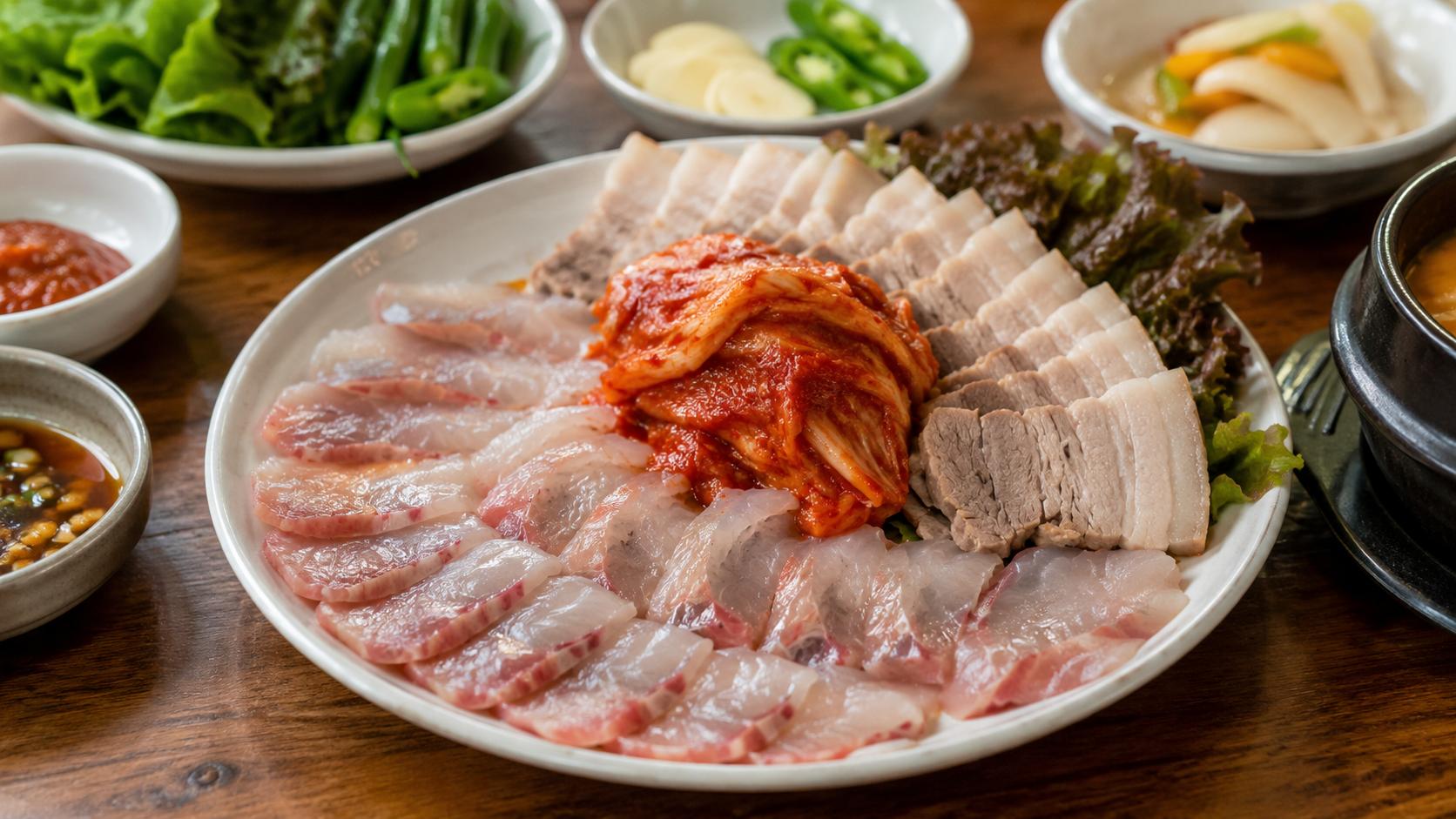
Among Korea’s many fermented foods, few surprise foreign visitors more than hongeo — fermented skate fish famous for its intensely pungent smell often compared to ammonia or industrial cleaning products. While dishes like kimchi and soybean paste have gained global popularity, hongeo remains one of Korea’s most polarizing traditional foods. Yet behind its intimidating reputation lies a fascinating biological process unlike almost any other fermented food in the world.
In This Feature
Why Hongeo Smells So Unusual
For many first-time visitors, encountering hongeo can be a shocking experience. The smell is so strong that people often compare it to ammonia-based cleaning chemicals. Unlike fermented foods that develop sour, earthy, or savory aromas, hongeo produces an intensely sharp scent that immediately stands out even from a distance.
This unusual smell has made hongeo one of Korea’s most infamous foods internationally. Even many Koreans who enjoy fermented cuisine find it difficult at first. But unlike foods that spoil due to bacterial contamination, hongeo undergoes a controlled natural process that has been understood and consumed for generations, particularly in Korea’s southwestern coastal regions.
The Unique Biology Behind Fermented Skate Fish
The science behind hongeo is remarkably unusual because skate fish possess a biological trait different from most fish species: they do not have kidneys that remove waste through urination in the same way other animals do. Instead, their bodies naturally accumulate high concentrations of urea within their tissues.
After the fish is stored and begins aging, that urea gradually breaks down into ammonia compounds. Unlike bacterial fermentation found in yogurt, cheese, or kimchi, this process is largely driven by the fish’s own chemical composition. The result is a powerful alkaline environment that naturally inhibits harmful microbial growth while creating the signature smell that hongeo is known for. Few fermented foods anywhere in the world rely on such an unusual biochemical process.
Why Koreans Still Preserve This Tradition
Hongeo has deep roots in Korea’s coastal food culture, especially in Jeolla Province, where seafood preservation was historically essential before refrigeration existed. Over generations, local communities developed a taste for the aged fish, eventually turning what began as a preservation method into a cultural delicacy associated with celebrations and communal gatherings.
It is often served as part of hongeo samhap, a famous dish combining fermented skate, boiled pork, and aged kimchi. The pairing balances acidity, fat, and ammonia intensity in ways that longtime fans describe as unexpectedly harmonious. To outsiders, hongeo may seem extreme, but it represents something common throughout food history: humans learning to transform difficult environments into unique culinary traditions through experimentation long before modern science could explain why it worked.